 Follow Us on Google News


 Follow Us on Google Discover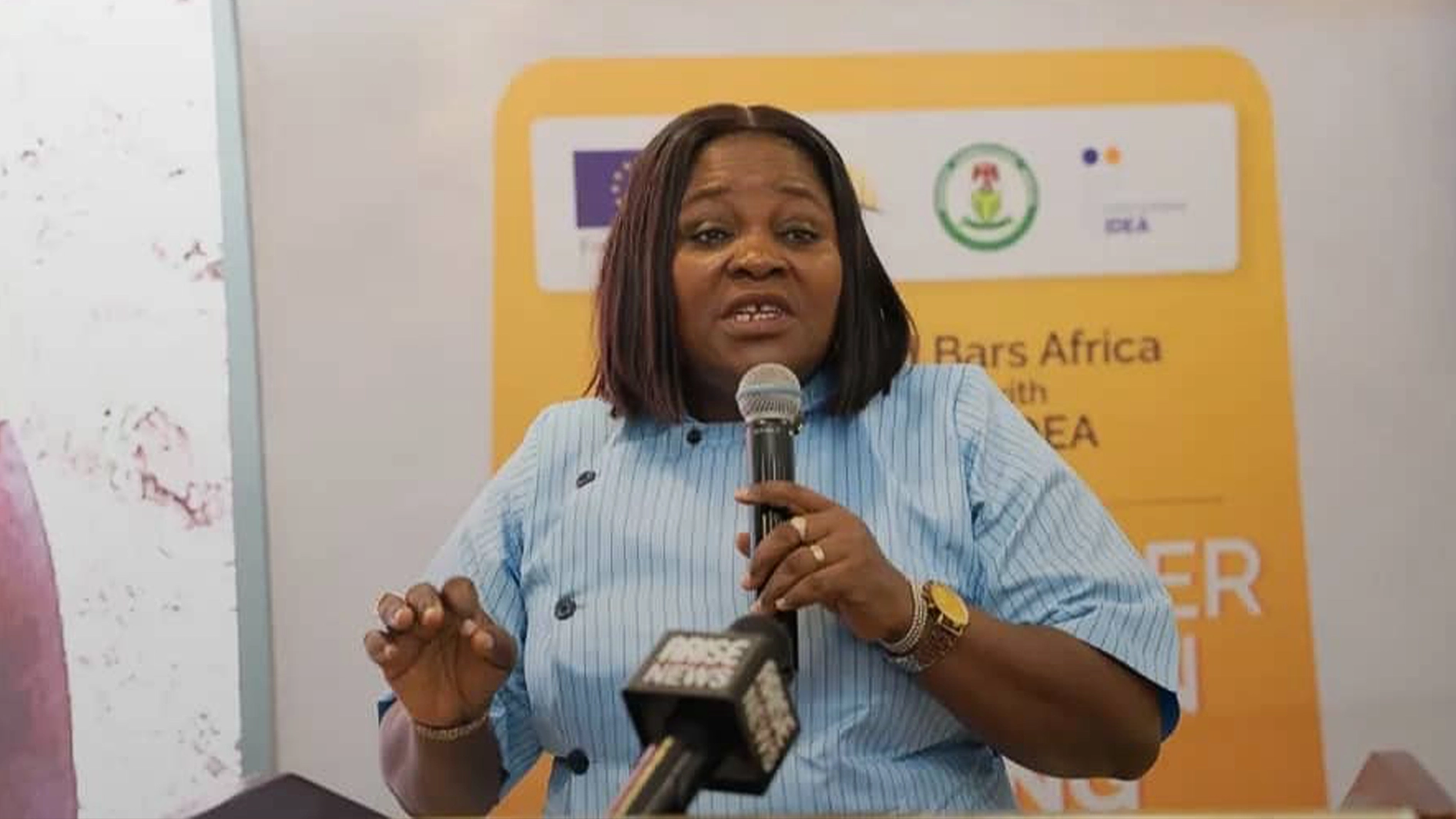
Stakeholders in Nigeria’s correctional sector have called for increased private sector investment in correctional farms and industries, saying public-private partnerships (PPP) could transform the facilities into sustainable economic hubs while equipping inmates with skills for life after release.
They made the call at a stakeholder validation meeting on the development of a PPP Policy Framework for Sustainable Correctional Agriculture and Economic Reintegration, organised by Hope Behind Bars Africa under its Farming Justice Project.
The proposed framework seeks to reposition correctional farms and industries from underutilised facilities into productive, commercially viable enterprises capable of supporting rehabilitation, skills acquisition and the economic reintegration of inmates.
Speaking at the meeting, Programme Manager, Hope Behind Bars Africa, Hassan Nurudeen, stressed the need to ensure that people in correctional centres were not left behind in Nigeria’s changing economy.
He said inmates required representation and advocacy, warning that neglecting correctional-centre populations could create a weak link in society.
Noting that If one person is left behind, then every other person is left behind, Hassan stressed that correctional interventions must prepare inmates for successful reintegration into society.

According to him, many people could leave prison without the skills or opportunities required to rebuild their lives, increasing the risk of reoffending.
He recalled the case of a person who spent more than seven years in prison and, upon release, asked: “Where do I start from?”
Hassan said the question underscored the need for correctional programmes to provide inmates with practical skills, work experience and an economic pathway before they regain their freedom.
He noted that technological changes had also made reintegration more difficult for people who had spent years in custody.
According to him “Imagine someone who was incarcerated in November 2022 and is coming out in September 2026, adding that the person would return to a world significantly transformed by artificial intelligence, technology and changes in the nature of work.
He urged stakeholders to critically review the proposed framework and make recommendations that would make it practical and sustainable.
Speaking, the Assistant Controller of Correctional Service, Etu Samuel Paul, said the NCoS had been working on a PPP policy for its farms and industries, stressing the importance of developing a framework that could move beyond paper to actual implementation.
He urged participants to bring their mind, soul and body together to develop a formidable programme that would strengthen correctional agriculture and industries.
Founder and Executive Director of Public Awareness on Rights and Rehabilitation of Vulnerable Persons Initiative, Ogechi Ogu, said the proposed policy was anchored on the need to give incarcerated persons a genuine second chance.
She said strengthening rehabilitation and economic reintegration could help reduce reoffending and contribute to building a safer society.
The proposed framework provides for a Joint Steering Committee on Correctional Agribusiness and Industry, co-chaired by the Permanent Secretaries of the Ministries of Interior and Agriculture and Food Security, as well as a PPP Technical Secretariat within the NCoS.
It identifies farming and industries as two major areas for PPP intervention, with opportunities spanning crop production, livestock, aquaculture, apiculture and agroforestry, as well as leather and footwear, furniture, agro-processing, packaging, textiles, renewable-energy equipment and bakery production.
The framework identifies 18 major correctional farms and 11 agricultural projects as potential strategic hubs and proposes different models for investment,
Under the proposed arrangement, private investors would provide capital, equipment and technical expertise, while the NCoS would retain its regulatory, security and monitoring responsibilities.
The framework also proposes an indicative investment threshold of between N20 billion and N25 billion and above, subject to feasibility studies and business modelling.
The framework further proposes safeguards to ensure that participation in correctional agriculture and industries is voluntary for awaiting-trial persons, while providing for disability accommodation, grievance redress mechanisms, whistleblower protection, psychosocial support and occupational safety.
A pilot phase involving no more than six sites is proposed for the first 12 months, with national expansion to follow after the pilot demonstrates production, accountability and safeguarding standards.

