 Follow Us on Google News
 Follow Us on Google Discover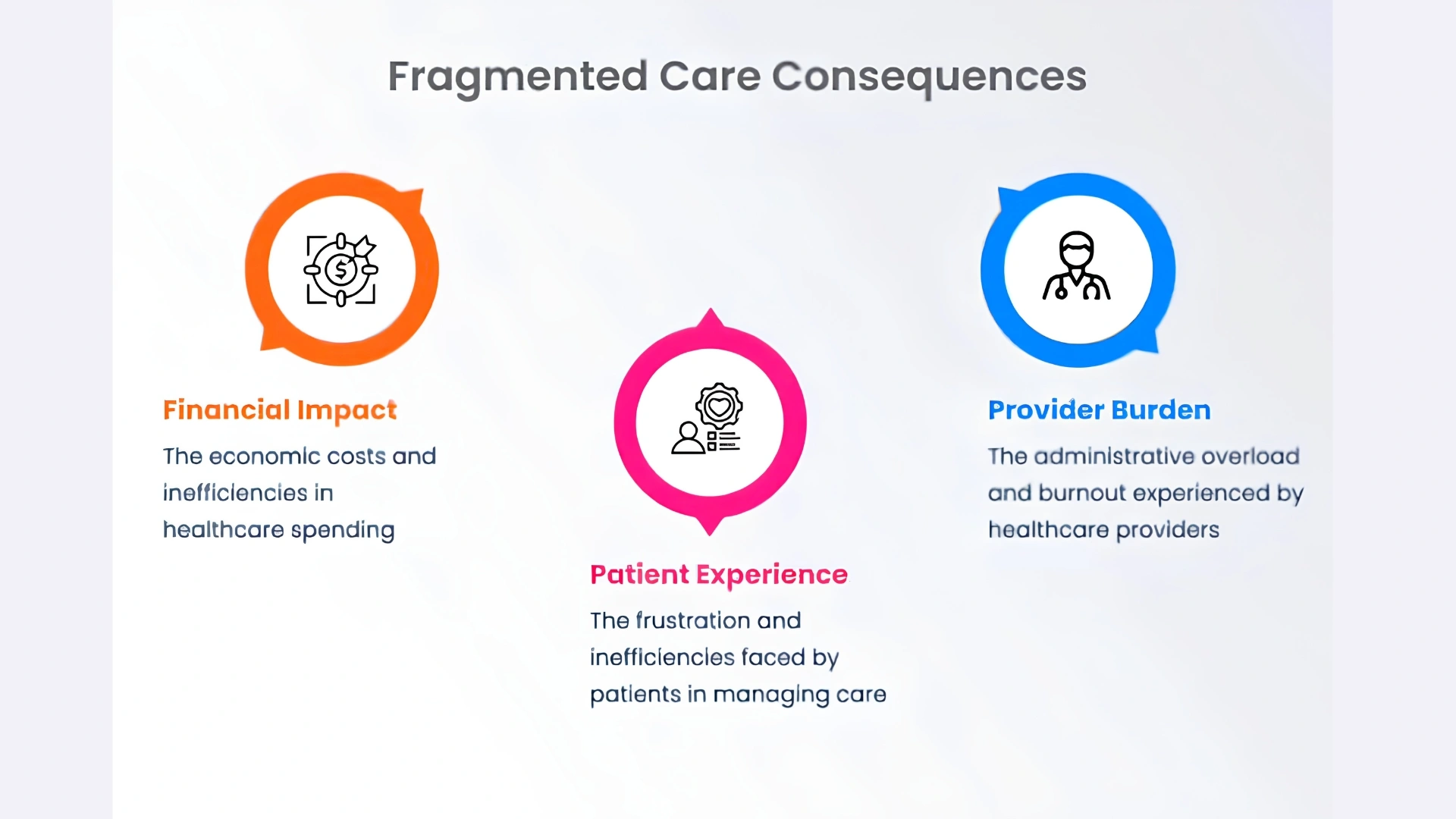
By Ebiuwa Emokpae
Every year, millions of American women are prescribed treatment regimens that require taking multiple medications at the same time. Whether managing pelvic inflammatory disease, recurrent vaginal infections, endometriosis, infertility treatments, or other gynecologic conditions, patients are often asked to coordinate several medications that together represent a single course of therapy.
Clinically, these medications are intended to function as one treatment plan. Operationally, however, they are frequently delivered as separate prescriptions, each with its own dispensing process, co-payment, instructions, and dosing schedule. While each individual step appears manageable, together they can create unnecessary complexity that makes completing treatment more difficult.
As healthcare continues to embrace patient-centered care, there is an opportunity to rethink not only what medicines we prescribe, but how we deliver them.
When One Treatment Feels Like Several
Consider a woman diagnosed with pelvic inflammatory disease (PID), a condition that often requires combination antibiotic therapy to effectively treat the range of organisms involved. Clinical guidelines recommend that these medications be taken together because they work as a coordinated regimen rather than as independent therapies.

Yet patients commonly receive these medications as separate prescriptions. They may visit multiple pharmacies, manage different insurance approvals, pay separate co-payments, and follow multiple sets of instructions, all while coping with the physical discomfort and emotional stress of illness.
What clinicians prescribe as one treatment, patients often experience as several disconnected healthcare transactions.
Research has consistently shown that medication adherence declines as treatment complexity increases. In the United States, medication non-adherence is estimated to contribute to approximately 125,000 preventable deaths annually and between $100 billion and $300 billion in avoidable healthcare costs, according to the Annals of Internal Medicine and the National Community Pharmacists Association. Although these estimates span healthcare broadly, they highlight an important principle: simplifying treatment delivery can improve patients’ ability to complete evidence-based therapies successfully.
Lessons from Global Public Health
Healthcare already provides successful examples of simplifying complex treatment regimens.
Across many public health programs worldwide including tuberculosis and HIV programs implemented throughout Africa and other regions—fixed-dose combination therapies and coordinated treatment regimens have become standard practice. These approaches were developed to improve adherence, reduce treatment interruptions, and simplify medication management for patients facing lengthy and often complex courses of therapy.
Their success demonstrates a broader principle that extends well beyond infectious diseases: when multiple medications are intended to work together, delivering them as a coordinated regimen can make treatment easier for patients without changing the underlying clinical evidence.
Rather than viewing these approaches as disease-specific solutions, healthcare systems have an opportunity to consider how similar patient-centered principles might be applied across other therapeutic areas.
An Opportunity for Women’s Health
Women’s health presents one such opportunity.
Many conditions routinely treated in gynecology and reproductive medicine require patients to coordinate multiple medications over the course of days, weeks, or months. Yet much of the responsibility for organizing those therapies remains with the patient.
Imagine instead receiving a single combination treatment kit containing every medication required for an evidence-based course of therapy, accompanied by unified instructions, coordinated dosing guidance, educational materials, and digital adherence support.
The medications themselves would not change.
The clinical guidelines would not change.
Only the way treatment is delivered would change.
For many patients, that difference could reduce delays in initiating therapy, simplify medication management, improve adherence, and ultimately contribute to better clinical outcomes.
Innovation Beyond the Molecule
The United States continues to lead the world in pharmaceutical research and therapeutic innovation. As new medicines become increasingly sophisticated, there is a corresponding opportunity to innovate in how proven therapies are packaged, coordinated, and delivered to patients.
Some of the most meaningful advances in healthcare do not always require discovering a new medicine. Sometimes they involve redesigning the patient experience so that existing therapies can achieve their full clinical potential.
Combination treatment kits represent one example of that kind of innovation. They build on lessons already demonstrated in global public health while adapting them to meet the needs of modern, patient-centered healthcare.
The future of pharmaceutical innovation will depend not only on breakthrough discoveries but also on ensuring those discoveries are delivered in ways that patients can realistically complete. By simplifying treatment delivery where clinically appropriate, healthcare can move one step closer to its ultimate goal: translating effective therapies into better outcomes for every patient.
Ebiuwa Emokpae is a pharmacist and healthcare strategist

