 Get Guardian on Google
Across Nigeria today, more children are entering school speaking a language different from the one used in the classroom. From Yoruba to Igbo, Hausa, Pidgin, Urhobo, Tiv, Fulfulde, and many others, millions of pupils begin their education learning to read in English, even though it is not their first language. This gap between home language and school language is one important reason many pupils struggle with reading.
Experts explain that reading requires two major skills: decoding (being able to break down sounds and words) and understanding meaning (vocabulary, comprehension, and background knowledge). When children find decoding difficult or cannot understand what they read, reading becomes frustrating.
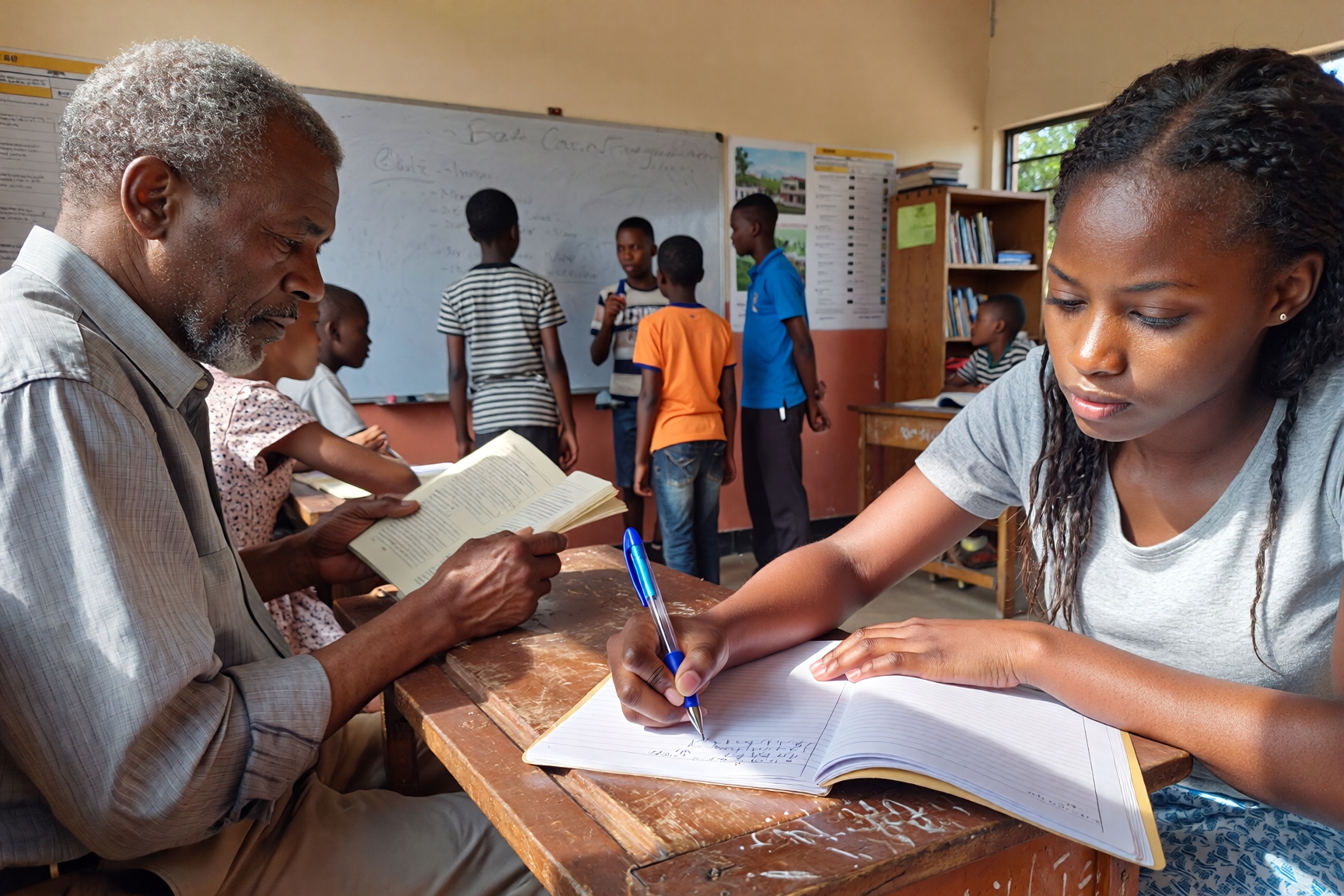
In some Nigerian classrooms, private and public, teachers are noticing a growing number of learners with reading difficulties. Some pupils may have language delays or learning disabilities; others simply have not received enough structured instruction in phonics, vocabulary, and comprehension, and therefore struggle. For multilingual learners, the difference between their home language and English also affects how quickly they develop reading fluency.
But one factor easily overlooked is motivation. What makes a child want to read, try again after failing, or stay engaged with books?
Culturally Relevant Teaching Makes a Difference
Studies from within Africa and abroad show that pupils become more motivated to read when the material reflects their culture, language, and daily experiences. In a South African study, for example, a digital reading program that used locally relevant stories, games, and animations
significantly improved reading performance among young learners. When children see themselves in the stories, reading becomes more enjoyable, not a chore.
Nigeria, with its rich diversity, can benefit from similar approaches. Books that include Nigerian names, food, places, folktales, and everyday realities help children develop sa tronger interest and confidence in reading.
Systemic Barriers Are Still Holding Learners Back
Just like in many other parts of the world, some Nigerian students face deep systemic challenges:
• Overcrowded classrooms make individual reading support difficult. • Limited access to books, especially culturally relevant ones, reduces practice time.
• Inconsistent phonics instruction weakens the decoding foundation. • Biases around accents and local languages can harm children’s confidence.
• Socioeconomic challenges often limit access to reading materials at home.
When pupils feel that their language or background is “wrong” or inferior, their motivation drops, and so does their reading performance.
Intrinsic Motivation Is Key
Researchers agree that children learn best when they are motivated from within. This means they read because they enjoy it, find it meaningful, or want to learn something, not simply because they want good grades or fear punishment.
Intrinsic motivation grows when teachers:
• Allow pupils to choose some of the books they read
• Connect reading activities to real-life experiences
• Encourage group discussions, storytelling, and social interaction • Celebrate small reading progress to build confidence
When learning becomes enjoyable, children read more, and the more they read, the better they become.
Supporting Struggling Readers Early
Reading motivation tends to decline as learners grow older. This means early primary school is a critical period. Addressing reading challenges early, before frustration sets in, prevents long-term academic struggles.
Structured phonics teaching, targeted reading interventions, and multilingual support can transform outcomes for struggling readers, especially in lower-income communities.
A Call to Educators and Policy Makers
To improve reading outcomes in Nigeria, schools must move beyond the narrow view of literacy as simply “reading and writing.” Literacy is social and cultural. It is tied to identity, confidence, and motivation.
Here are key steps schools can take:
• Use texts that reflect Nigerian cultures and languages • Provide equitable access to materials and support for pupils with reading difficulties
• Focus on intrinsic motivation, not fear-based learning
• Integrate technology tools that include local content
• Teach motivation, self-regulation, and confidence-building • Challenge stereotypes about “slow learners” or non-English-speaking pupils
• Recognize reading as both a cognitive and emotional journey
Why This Matters
A child who struggles to read struggles to learn. Reading influences performance in every subject, from mathematics to sciences and even moral instruction. When Nigeria invests in understanding why children struggle and what motivates them, we build a stronger educational future for all learners. No child should be left behind because of the language they speak, where they come from, or how they learn. With the right support, motivation, and culturally relevant practices, every Nigerian child can learn to read and learn to love reading.
Temidayo is a Reading Specialist and Interventionist.