 Follow Us on Google News


 Follow Us on Google Discover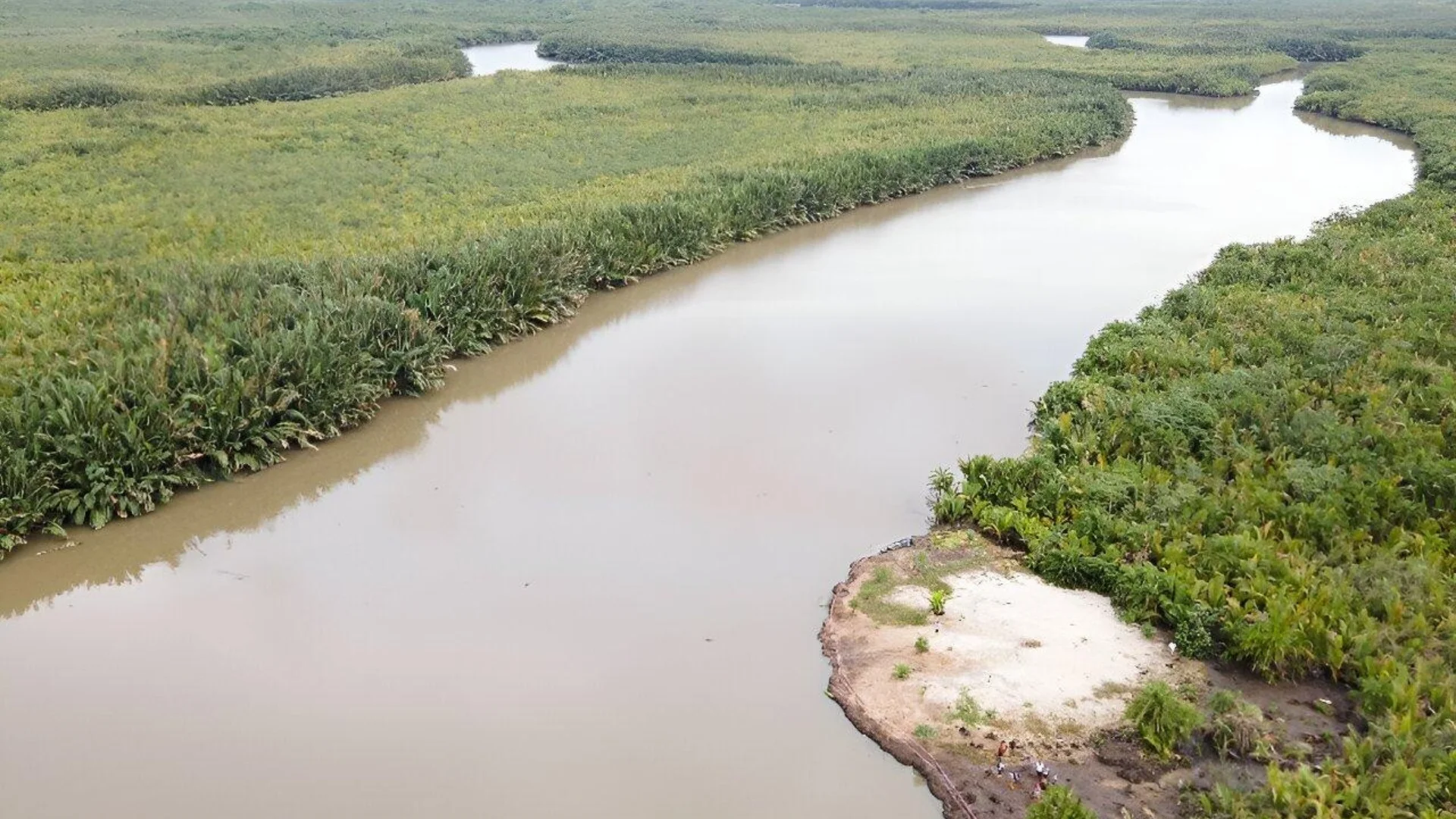
Africa’s natural wealth has long sustained its economies, often without appearing on any balance sheet. From the mangrove forests of the Niger Delta to the wetlands of East Africa and the vast marine ecosystems along the continent’s coastline, nature provides food, livelihoods, coastal protection and economic opportunities for millions of people. Yet much of this wealth remains undervalued, even as the ecosystems that sustain it face increasing pressure from pollution, climate change and unsustainable exploitation.
A new conversation is emerging in global environmental finance. Biodiversity credits and nature markets are attracting attention as possible ways to channel private investment into conservation and ecosystem restoration. For African countries, this raises an important question: can the protection of nature become a source of economic opportunity without reducing the environment to another commodity for international trade?
Biodiversity credits are designed to represent measurable improvements in the condition of nature. Unlike conventional conservation funding, which often depends on government budgets, philanthropy or development assistance, these mechanisms seek to attract financing from businesses and investors willing to support verified environmental outcomes.
Consider a degraded mangrove ecosystem in the Niger Delta. Restoring it could improve fish breeding habitats, strengthen coastal protection, support local livelihoods and help recover biodiversity. Under a credible biodiversity credit arrangement, independently verified improvements could provide a basis for attracting conservation finance. Communities responsible for protecting and restoring the ecosystem could receive financial support for their efforts.
The attraction is understandable. For decades, African communities have been expected to protect ecosystems whose benefits extend far beyond their immediate surroundings, frequently without adequate compensation or sustained investment. Nature markets offer a possible means of recognising that responsibility economically.
However, biodiversity credits should not be confused with carbon credits. Carbon markets generally measure emissions reductions or removals using tonnes of carbon dioxide equivalent. Biodiversity is more complicated. A restored wetland in Nigeria cannot simply be treated as interchangeable with a protected forest in Kenya. Different ecosystems support different species, ecological relationships and community needs.

This makes the measurement, verification and governance of biodiversity credits particularly important. Investors must be able to establish that conservation activities produce genuine improvements, that those improvements would not otherwise have occurred, and that they can be sustained over time. Without credible standards, nature markets risk becoming another avenue for environmental claims that deliver little measurable benefit.
For Nigeria, the opportunity is particularly relevant to the development of its blue economy. The country’s coastal wetlands, mangrove forests, inland waterways and aquatic ecosystems are not merely environmental resources. They support fisheries, aquaculture, transportation, tourism and the livelihoods of communities whose economic security depends on healthy natural systems.
The relationship between biodiversity and food security deserves greater attention. Fish production, whether through capture fisheries or aquaculture, depends directly or indirectly on functioning aquatic ecosystems. Water quality, habitat protection and responsible resource management influence the long-term productivity of these systems. When wetlands are degraded or aquatic habitats are destroyed, the economic consequences extend to fishing communities, food supply chains and local businesses.
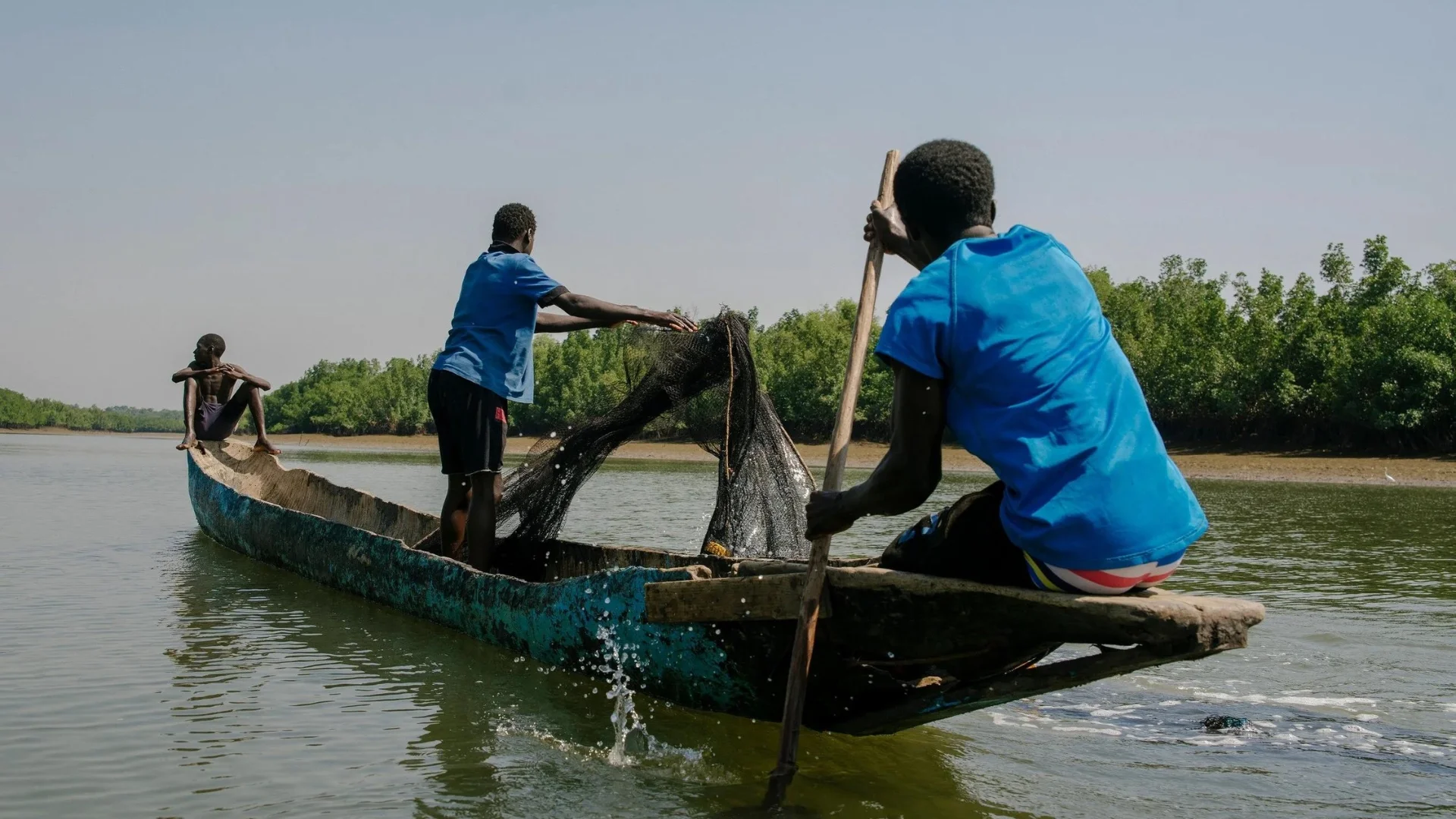
Investment in biodiversity restoration should therefore be considered alongside efforts to strengthen sustainable aquaculture and fisheries development. Protecting aquatic habitats is not separate from economic development; it is part of maintaining the natural foundation on which that development depends.
Yet Africa must approach emerging nature markets with caution. The continent’s experience with extractive industries offers an important lesson. Possessing valuable natural resources does not automatically translate into prosperity for the communities where those resources are found.
If biodiversity markets are poorly designed, local communities could once again become custodians of valuable assets while the greatest financial benefits accrue elsewhere. Questions surrounding land rights, community consent, revenue sharing and long-term stewardship must therefore be addressed before large-scale commercial arrangements take shape.
There is also the danger that biodiversity credits could become a convenient justification for environmental destruction elsewhere. A company should not be able to damage one ecosystem and assume that purchasing credits from an unrelated conservation project cancels out that harm. Conservation finance must encourage genuine environmental improvement, not provide an accounting mechanism for avoiding responsibility.
African governments have an opportunity to influence how these markets develop rather than waiting for standards and commercial arrangements to be determined entirely by external actors.
This requires investment in ecological research, reliable biodiversity data, transparent verification systems and institutions capable of overseeing conservation finance. Universities, environmental agencies, financial institutions, research organisations and local communities all have roles to play. Regional cooperation could also help African countries develop approaches that reflect their ecological diversity and development priorities.
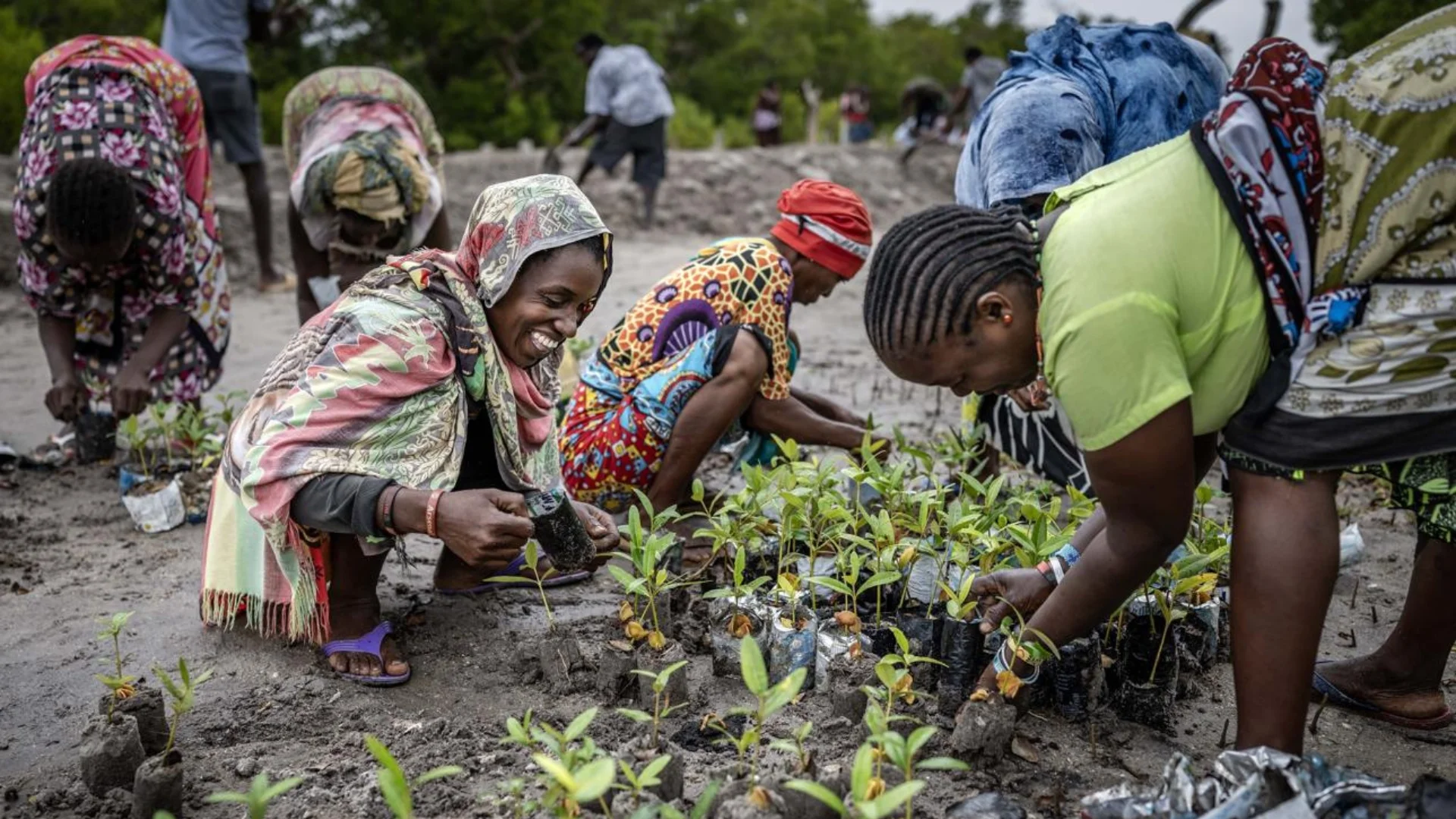
Importantly, biodiversity credits should complement, rather than replace, public investment in conservation. Not every valuable ecosystem will attract a commercial buyer, and the survival of threatened species should never depend entirely on whether investors consider their protection profitable.
The broader opportunity lies in recognising that nature is productive capital. Healthy ecosystems sustain agriculture, fisheries, tourism, water resources and climate resilience. Their degradation imposes economic costs that are often ignored until livelihoods are disrupted or restoration becomes considerably more expensive.
For Africa, the challenge is not simply to enter a new environmental market. It is to help shape a financial system in which protecting nature becomes economically viable, scientifically credible and socially equitable.
If biodiversity credits are developed with strong safeguards, transparent governance and meaningful community participation, they could become one useful instrument for financing conservation and sustainable development.
But the measure of success should not be how many credits Africa sells. It should be whether its ecosystems are healthier, its communities more prosperous and its natural wealth better protected for future generations.
Africa’s biodiversity has always had value. The task now is to ensure that emerging markets recognise that value without compromising the very nature they are intended to protect.
Adeleke Babatunde is a professional in sustainable finance and development, blue economy, and bioeconomy, with an extensive interdisciplinary background spanning over 16 years.

