 Follow Us on Google News
 Follow Us on Google Discover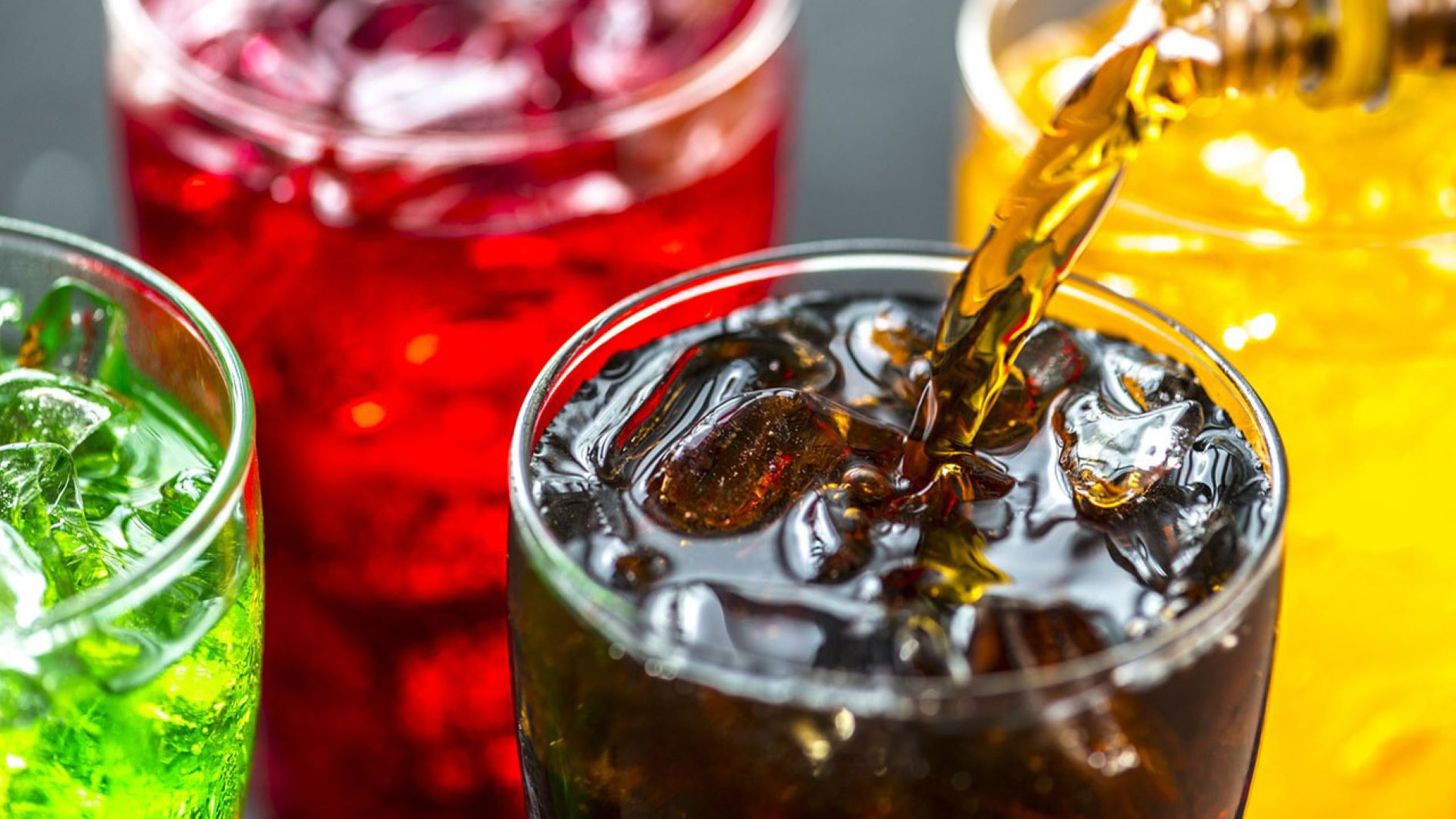
By Batet Musa
They are called soft drinks. The name is deliberate, almost tender – conjuring images of refreshment, leisure and harmlessness. A cold bottle of soft drink at a Nigerian celebration is as familiar as jollof rice and high-life music. We give them to our children at birthday parties. We press them into guests’ hands as a gesture of hospitality. We celebrate with them. We cool ourselves with them in the punishing afternoon heat. But there is nothing soft about what they are doing to us.
“Soft drink” is the most successful mislabelling in the history of public health. Behind the friendly label is a cocktail of added sugars engineered to keep you coming back. And in Nigeria, we have been coming back in staggering volumes, at mounting cost to our bodies, our health systems and our futures.
It is time to call this what it is: a slow, sweetened crisis. What is actually in that bottle? A single 35cl bottle of the most popular cola drinks in Nigeria contains approximately 37 grammes of sugar, roughly nine teaspoons.
The World Health Organisation (WHO) recommends that free sugars make up no more than 10 per cent of total energy intake for adults; ideally below five per cent, which translates to about 25 grammes or six teaspoons per day. One bottle. One sitting. You have already exceeded your daily recommended limit before the meal even arrives.
These are not naturally occurring sugars like those in fruits, which come packaged with fibre, vitamins and water. The sugars in these drinks; primarily sucrose and high-fructose corn syrup – are absorbed rapidly into the bloodstream. The liver receives a concentrated surge of fructose it was not designed to process in such quantities. The pancreas floods the body with insulin in response. Repeat this cycle daily as millions of Nigerians do, and the biochemical consequences are not hypothetical. They are documented, measurable and deadly.
The global science is unambiguous. Excess consumption of sugar-sweetened beverages (SSBs) is causally linked to: Type 2 diabetes – through insulin resistance driven by chronic sugar overload; obesity and overweight – SSBs are the single largest source of added sugar in modern diets, and liquid calories do not trigger satiety the same way solid food does; cardiovascular disease – elevated triglycerides, hypertension and arterial inflammation.
According to the WHO, the prevalence of hypertension among adults aged 30 to 79 years in Nigeria was 36 per cent in 2019. However, the 2024 Nigeria Demographic and Health Survey (NDHS) reports that only eight per cent of women and five of men aged 15 to 49 years have ever been told by a doctor or health worker that they have high blood pressure (hypertension), highlighting significant gaps in awareness and diagnosis.
Diabetes prevalence is also rising. According to the International Diabetes Federation (IDF) in 2024, diabetes affected an estimated 3.7 per cent of Nigeria’s population in 2021, equivalent to approximately nine million people, with millions more remaining undiagnosed NCDs now account for approximately 29 per cent of all deaths in Nigeria, a figure that is climbing. Yet, soft drink consumption is climbing with it.
Language shapes behaviour. When we call something ‘soft’, we assign it gentleness. We strip it of threat. The word ‘soft’ in Nigerian popular culture means harmless; something that will not hurt you. A soft landing. A soft warning. A soft drink. “Soft” implies safety, and that is precisely the danger. We have been lulled into consumption by a word that was never designed to protect us.
I read that the term ‘soft drink’ was coined in 1800s to distinguish non-alcoholic carbonated beverages from ‘hard’ (alcoholic) drinks. It was a commercial and regulatory classification and not a health assessment. It has never meant safe. It has never meant healthy. But over more than a century of aggressive marketing, the word has evolved in public consciousness to mean exactly that: benign.
Consider the contrast: we warn our children and adults about alcohol. We label cigarettes with graphic images of diseased lungs. We treat these substances with the gravity they deserve. But the can of cold SSB sitting on the same shelf? It gets a smiling sun on the label. It gets a jingle. It gets handed to two-year-olds at naming ceremonies, creches and even religious establishments.
The trivialisation of SSBs is not accidental; it is the product of decades of marketing investment, sponsorships of sporting events and cultural festivals, and the strategic pricing of soft drinks to be among the most affordable consumables in low- and middle-income countries, including Nigeria.
Nigeria presents conditions that make SSB over-consumption particularly dangerous. Urbanisation has shifted diets away from traditional whole foods towards processed alternatives. The growth of the informal food sector means meals are increasingly purchased outside the home, accompanied by cold soft drinks as a default. Water access itself is part of the crisis. In many Nigerian cities and towns, potable tap water is unreliable. When the choice is between questionable tap water and a cold, cheap, safe-seeming soft drink, the latter wins. This is not because people are uninformed, but because the system is stacked.
The science does not require further debate. The language requires an overhaul. The policy requires urgency. Here, plainly, is what must happen.
Policymakers and regulators must strengthen the SSBs tax and ensure its full, faithful implementation. Evidence from Mexico, South Africa and the United Kingdom shows that even a modest SSB tax reduces consumption and generates revenue for health programmes. On June 4, 2026, the Nigerian Senate passed the Customs, Excise Tariff (Consolidation) Act Amendment Bill, 2025 – sponsored by the Chairman, Senate Committee on Health Senator Ipalibo Harry-Banigo.
The bill replaces the fixed N10 per litre excise duty on SSBs with a levy pegged to retail price, and critically, establishes a framework to channel a portion of that revenue towards health promotion, disease prevention, primary healthcare and health insurance for vulnerable Nigerians. This is exactly the evidence-based, health-forward legislation that public health advocates have long demanded. It deserves to be applauded. Now it must be implemented – faithfully, transparently, and without dilution.
They must mandate front-of-pack warning labels that display sugar content in teaspoons – not grammes – so that every consumer, regardless of education level, can immediately grasp what they are consuming.
They must restrict SSB advertising near schools and in content directed at children. A child’s exposure to soft drink marketing is not a free-market outcome – it is a policy failure.
They must invest the SSB tax revenue explicitly into public health infrastructure, diabetes care, and school nutrition programmes.
Then healthcare professionals must lead by example. Hospitals and clinics that sell or serve SSBs in their canteens must reckon with the contradiction they embody.
Last, parents and families must reclaim the cultural meaning of celebration. Nigerian hospitality does not require soft drinks. Water, zobo, kunu, tiger nut milk and fresh fruit juice are not poverty; they are heritage.
The greatest danger of the soft drink is not the sugar alone; it is the softness of the threat; the way it hides in plain sight, normalised at every table, every occasion, every age. Diseases do not always arrive dramatically. Sometimes they arrive one cold, fizzy sip at a time, for decades, until the body can no longer compensate.
We are watching an NCD crisis build in slow motion in Nigeria, and we are serving soft drinks at the viewing. The industry has spent billions ensuring that we see sweetness, not danger. It is high time we looked again; clearly, scientifically and honestly. The bottle is cold. The marketing is warm. And the consequences are burning through a generation. There is nothing soft about this.
Musa, a nutrition and public health professional, wrote in from Lagos.

