 Follow Us on Google News


 Follow Us on Google Discover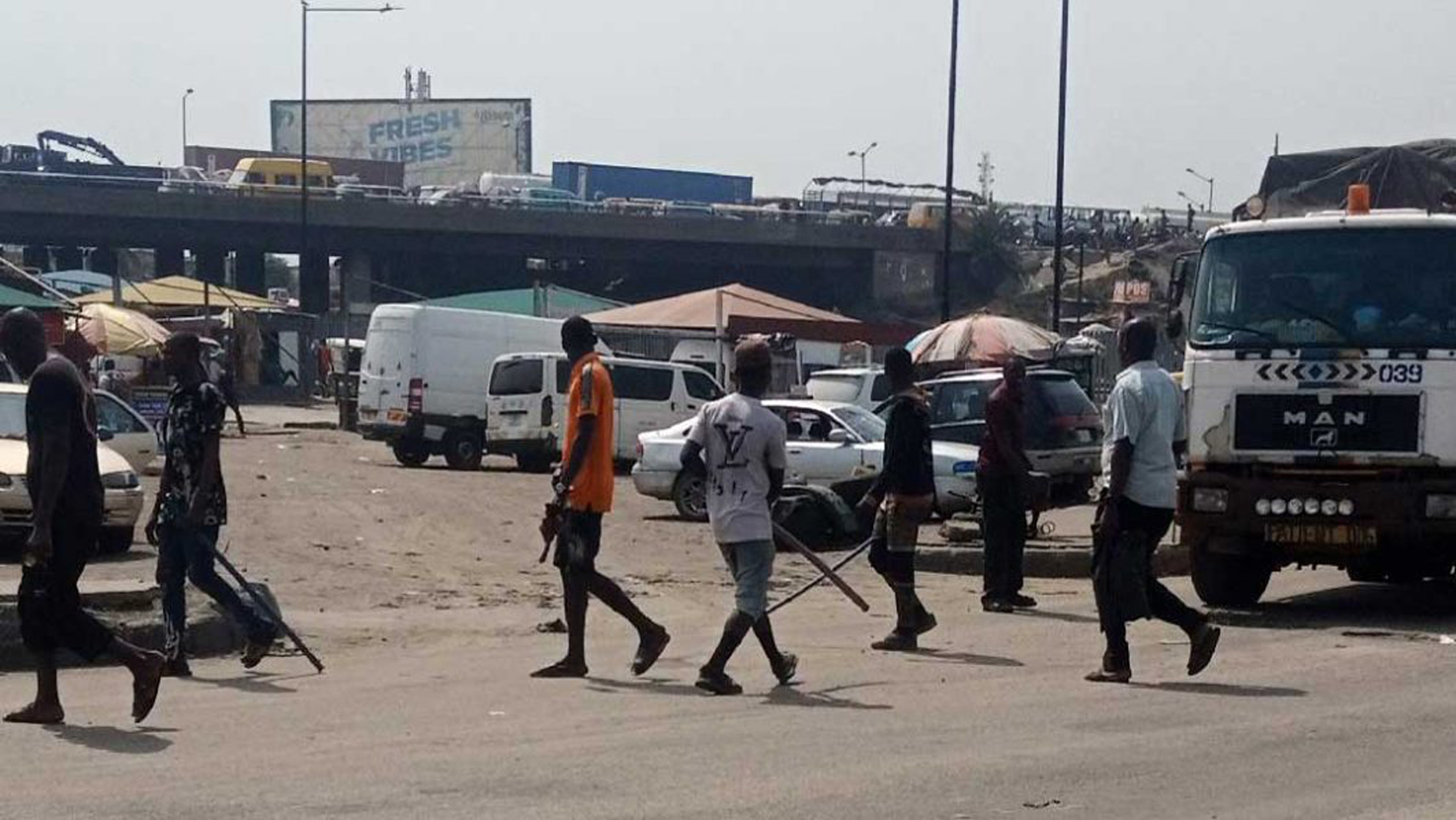
Sir: In Lagos, the word “structure” is often used by politicians to describe the networks that connect them to the grassroots. But behind some of these political structures is a less discussed reality, the influence of street gangs, touts and so-called area boys who have over the years been drawn into the machinery of local politics.
Nigeria’s history of political violence is well documented. Human Rights Watch has reported that politicians and party officials have, at different periods, recruited and financed gangs to intimidate opponents, influence elections and enforce political interests.
In Lagos, this relationship has often been linked to transport unions, neighbourhood networks and informal street leadership. The result is a system in which some politicians can reach parts of the grassroots not simply through ideas, policies or community engagement, but through people capable of mobilising crowds, controlling territory and, at times, intimidating those who challenge them.
Recent reports show that the problem remains relevant. Lagos authorities and residents have continued to report harassment, extortion and attacks involving area boys and groups linked to transport unions.
In August 2026, the Lagos Police Command arrested six suspects after a viral video showed men allegedly harassing motorists.
The troubling question, however, goes beyond what happens on the streets.

Kobor Amos is an Online Content Editor at The Guardian.

