 Follow Us on Google News
 Follow Us on Google Discover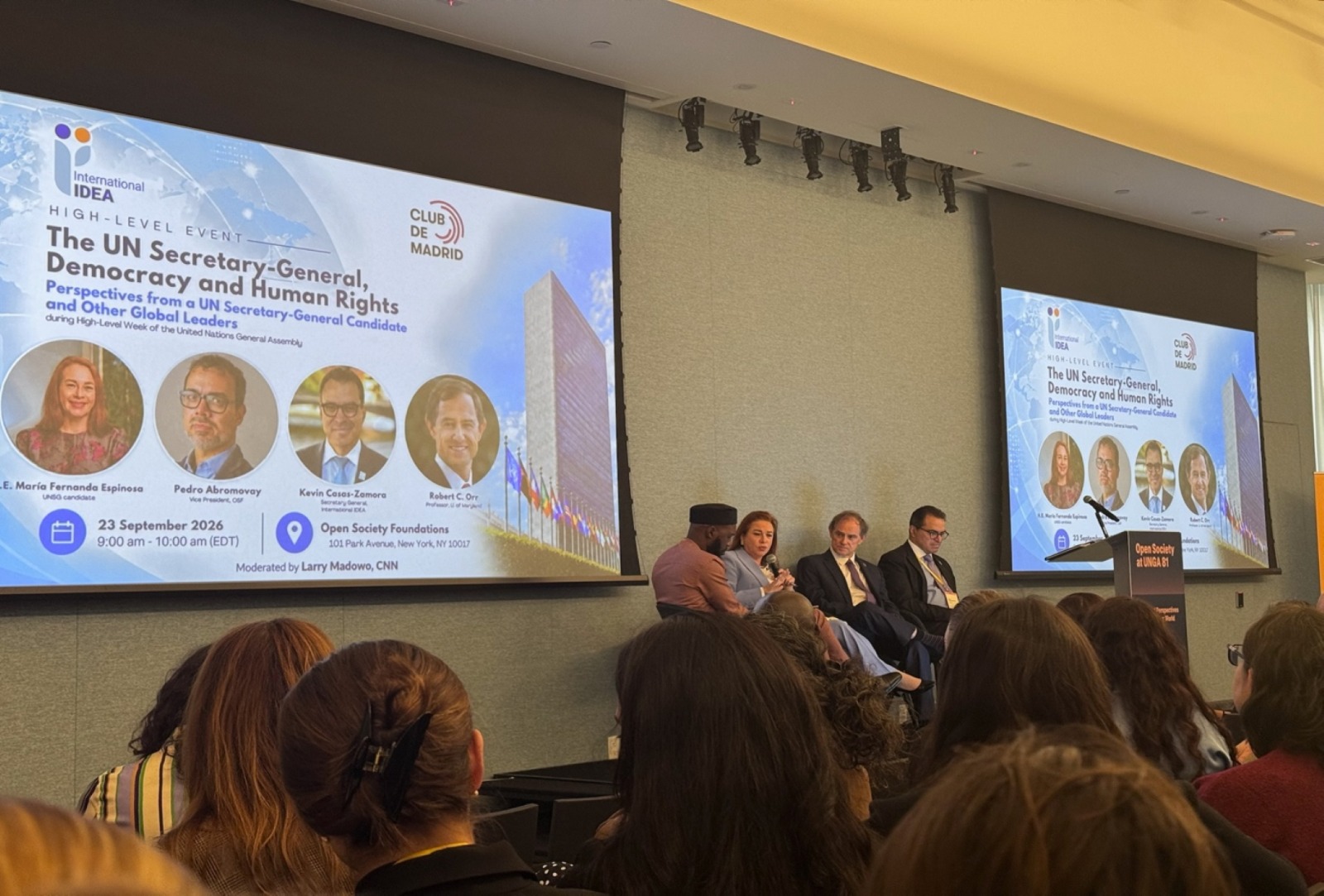
By Dr Judith-Ann Walker
The high-level General Debate of the 81st session of the UN General Assembly ended on September 28, 2026. This year’s theme – “Restoring Trust, Managing Transformation: A United Nations That Delivers for All,” coming together with a search for a new Secretary General was especially meaningful for African CSOs. While African governments and private sector delegations to UNGA 81 were significant, African CSOs were underrepresented. In a public statement issued 7th September, the CSO umbrella platform CIVICUS called out the UN’s CSO accredited system for “barriers and suspension of badges for ECOSOC-accredited NGOs”.
For CSOs which failed to secure accreditation for General Assembly sessions, there were still opportunities to learn, influence and make their presence felt at numerous side events open to African NGOs. These events were hosted by INGOs, Family Foundations and even by CIVICS at the Ford Foundation Office. As one of a few Nigerian CSOs which made it to UNGA 81 – the dRPC (development Research and Projects Center) accessed several of these side events including GCE-US gatherings, GPE meetings as well as the September 23rd, International IDEA high-level exchange where Maria Fernanda Espinosa, a leading candidate for the next UN Secretary-General shared her vision for the office. Kevin Casas-Zamora (International IDEA Secretary-General) set the agenda of Maria Espinosa’s session by arguing that ‘democracy is the single most powerful instrument to promote development’. In our written request to International IDEA, to attend its sessions the dRPC commented on International IDEA Nigeria local NGO inclusive strategies to promote development.
For most Nigerian NGOs, however, attending side sessions proved difficult. This is because of low domestic resourcing and philanthropic investment in Nigerian civics coupled with USAID defunding. Not surprisingly, of all the Nigerian NGOs which rallied to convene the pre-Global Partnership for Education (GPE) replenishment meeting in Abuja on 15th September and launch the Abuja Call to Action on Sustainable Education Financing, few actual made it to the New York replenishment meeting on 23rd September. A missed opportunity because the $3.5 billion global replenishment meeting for the entire world’s education financing was led by the Federal Republic of Nigeria for the first time in GPE’s history.
Another missed opportunity for Nigerian CSOs was their absence from the convening of seven Northwest Governors who committed to advancing a shared regional agenda for peace, resilience and economic opportunity, made on the margins of UNGA 81. Participation at the International IDEA side event however, filled this gap and addressed broad issues of conflict with implications for Nigeria. In conversation with International IDEA Secretary-General, academic, Robert C. Orr observed that 65 countries in the world are currently affected by active conflicts of different kinds — the highest number since the end of the Second World War. He observed further that the danger is not at the top but in the ‘messy middle’ — countries with mid-to-low levels of democratic performance that lack the checks and balances to prevent abuse of executive power and lack the institutional mechanisms to channel conflicts peacefully.
As African NGOs continue to be on the periphery of development decision making, UNGA has emerged as a strategic space for meeting and shaping country level commitments and country reporting on development and humanitarian issues. Ring-fencing resources to support African CSOs’ participation at UNGA is a strategic and important step for ensuring that civic groups which feel the pulse of local people have a seat at global tables where national policies are shaped and even made.


