
 Get Guardian on Google
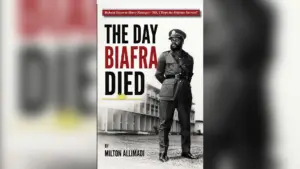
Newly examined American diplomatic records reveal how President Richard Nixon privately sought a change in US policy towards Biafra, even as Washington officially supported Nigeria’s territorial integrity. In his new book, The Day Biafra Died, journalist Milton Allimadi reconstructs the secret White House discussions that could have altered the course of the Nigerian Civil War.
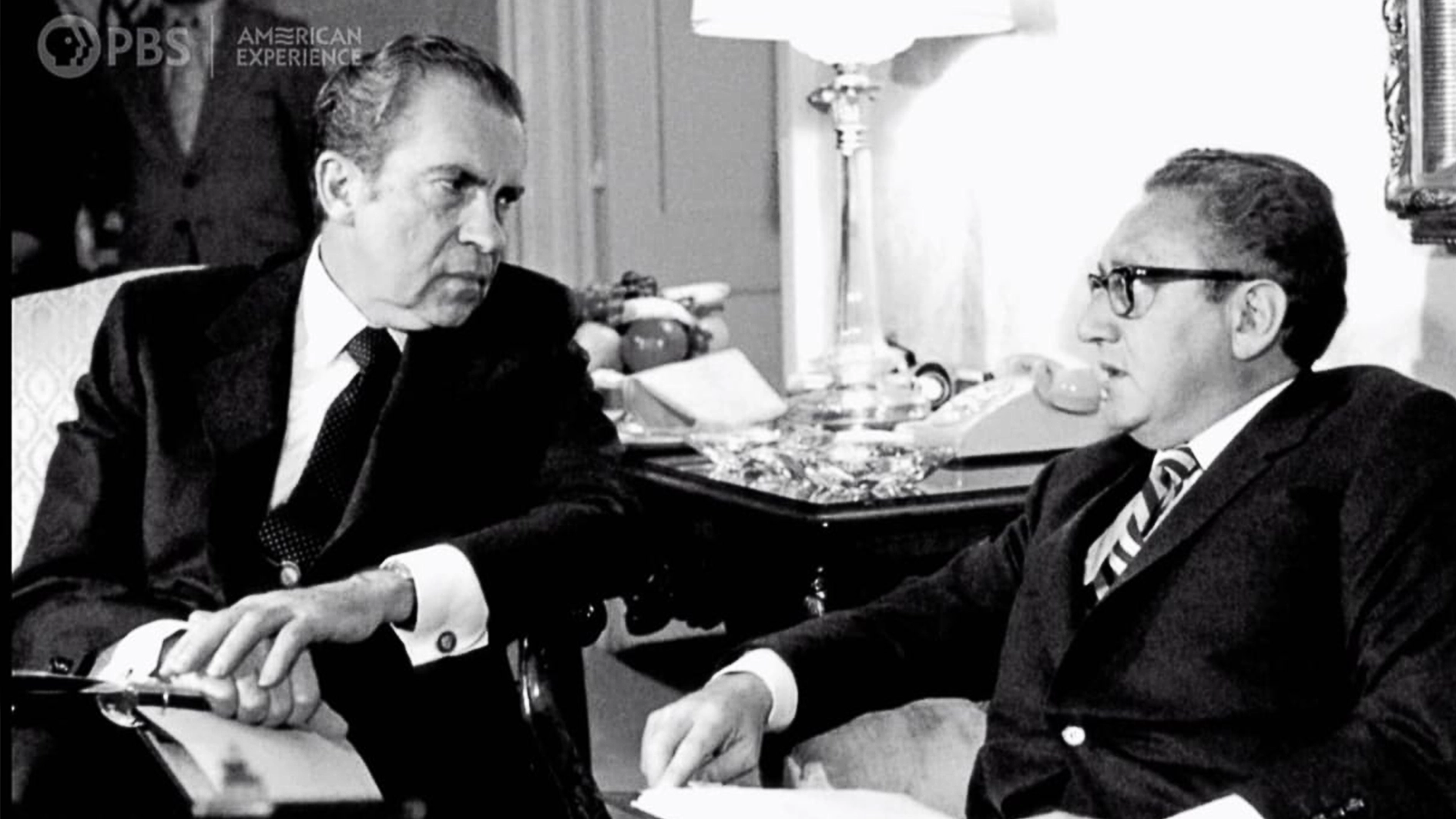
On July 18, 1969, President Richard Nixon telephoned his national security adviser, Henry Kissinger, to discuss the Nigerian Civil War. Biafra, the breakaway republic led by Chukwuemeka Odumegwu Ojukwu, was struggling to survive against federal forces under General Yakubu Gowon. A devastating blockade had created a humanitarian catastrophe, with starvation claiming countless civilian lives.
Officially, Washington maintained its commitment to Nigeria’s territorial integrity. Privately, however, Nixon was contemplating a significant departure from that position.
According to a memorandum of the telephone conversation preserved in American diplomatic archives, Nixon wanted US support for the Nigerian government discontinued. He intended to pressure British Prime Minister Harold Wilson over Britain’s military assistance to Lagos and encourage French President Georges Pompidou to increase support for Biafra.
The conversation, examined in Milton Allimadi’s new book, The Day Biafra Died, reveals a largely overlooked dimension of American involvement in the conflict.
While Washington publicly defended Nigerian unity, its president privately wanted Biafra to survive and was exploring ways to influence the war’s outcome.
A Divided Washington
When Nixon assumed office in January 1969, the Nigerian Civil War was already eighteen months old.
Britain, Nigeria’s former colonial ruler, supported Gowon’s Federal Military Government. The Soviet Union also supplied military assistance to Lagos, while France covertly backed Biafra.
The United States maintained an officially neutral position on the conflict while recognising Nigeria’s sovereignty.
Within Washington, however, there were significant disagreements.
Secretary of State William Rogers and US ambassador to Nigeria Elbert Mathews considered the preservation of Nigerian unity essential. They feared that recognising Biafra could encourage other separatist movements across Africa.
Nixon was increasingly concerned about the humanitarian catastrophe.
Within his first week in office, he instructed Kissinger to review American policy towards the conflict.
On January 28, Kissinger submitted a National Security Council memorandum warning that more than a million people could face starvation.
The assessment also questioned whether Nigeria could achieve a swift military victory. Although federal forces possessed superior manpower and equipment, Biafra remained resilient, supported partly by French weapons supplies and a population determined to resist defeat.
Nixon subsequently appointed Clarence Clyde Ferguson Jr., an African American law professor, as his special coordinator for humanitarian relief.
But the growing crisis was already pushing the president towards a more interventionist position.
The President’s Handwritten Message
One of the most revealing documents in Allimadi’s book is a memorandum Kissinger submitted to Nixon on May 15, 1969.
It described Biafra’s deteriorating military position and Washington’s continuing policy of political non-involvement.
Nixon read the assessment and wrote a brief instruction in the margin:
“HK—I hope the Biafrans survive!”
The message revealed the president’s personal preference at a time when American diplomacy remained committed to Nigeria’s territorial integrity.
It was not an instruction to recognise Biafra. Nevertheless, it demonstrated that Nixon was considering the conflict from a perspective different from that of important officials in his administration.
His concern would become more pronounced over the following weeks.
When Biafra Reached the Oval Office
By July 1969, images of starving Biafran children had generated considerable public pressure in the United States.
Humanitarian organisations, religious groups and members of Congress were demanding stronger American intervention.
On July 10, a coalition of Biafran relief advocates published a full-page advertisement in The New York Times, appealing directly to Nixon.
Among its supporters were Congressmen Edward Koch and Richard Ottinger, alongside prominent public figures including writer James Baldwin.
Nixon read the advertisement four days later.
According to a White House memorandum, he instructed Kissinger:
“I (not State) should try to do something to conciliate the situation.”
The distinction was significant.
Nixon wanted to assume personal responsibility for the administration’s response rather than leave the crisis primarily to the State Department.
His instruction also reflected encouragement from Ethiopian Emperor Haile Selassie, who had been seeking greater diplomatic involvement in efforts to end the war.
The Nigerian conflict had become a direct presidential concern.
Nixon’s Secret Diplomatic Strategy
The July 18 conversation between Nixon and Kissinger provides some of the strongest evidence of the president’s evolving position.
Nixon wanted Washington to stop supporting Nigeria’s federal government. He proposed pressing Britain to reconsider its assistance to Lagos and encouraging France to strengthen its backing for Biafra.
The president reportedly urged Kissinger to “use everything we have” to help bring the war to an end.
His proposed approach was significant because Britain and France were already pursuing opposing interests in Nigeria.
Britain supported the preservation of the federation, partly reflecting its longstanding political and commercial interests.
France, meanwhile, saw strategic opportunities in Biafra, including access to petroleum resources.
Nixon appeared prepared to exploit these differences to influence the conflict.
Yet there was an important limitation.
The president’s instructions did not amount to an American commitment to recognise Biafran independence. They reflected a willingness to reconsider Washington’s position and explore stronger diplomatic intervention.
Allimadi argues that this shift could eventually have created conditions for international recognition, possibly beginning with France.
The documents establish Nixon’s sympathy and his interest in changing policy. They do not prove that recognition would have followed.
What Kissinger Recommended
On August 11, 1969, Kissinger presented Nixon with another memorandum examining the prospects for an American peace initiative.
The assessment acknowledged the difficulties facing negotiations.
Nigeria insisted on preserving national unity. Biafra demanded security guarantees and political arrangements that would protect its population from renewed persecution.
Questions involving autonomy, amnesty, military security and economic resources remained unresolved.
Rather than recommending immediate recognition of Biafra, Kissinger proposed discreet approaches to both sides to determine whether meaningful negotiations were possible.
Nixon approved the initiative.
The decision revealed the practical direction of American policy: private diplomacy aimed at a negotiated settlement, not formal recognition of the secessionist republic.
Nevertheless, the initiative represented a more active American role than Washington had previously pursued.
The Humanitarian Deadlock
By September 1969, the principal obstacle to American intervention was the dispute over humanitarian flights.
Following the shooting down of a Red Cross relief aircraft by Nigerian forces in June, international relief operations had been severely disrupted.
Washington supported a proposal allowing internationally supervised daytime flights into Biafra, accompanied by Canadian military observers.
Gowon’s government eventually accepted the arrangement.
Ojukwu rejected it, fearing that the proposed operations would compromise the security of Uli airfield, Biafra’s remaining vital connection to the outside world.
The airfield handled humanitarian supplies but was also strategically important to Biafra’s military operations.
Nixon approved further American support for the Red Cross initiative, hoping to break the impasse.
But the disagreement persisted.
On November 6, Ojukwu publicly criticised Washington’s handling of the crisis, accusing the United States of diplomatic manoeuvres favourable to Nigeria.
Allimadi considers the broadcast a decisive moment that undermined Biafra’s remaining prospects for international recognition.
It is a provocative interpretation, although the documentary evidence does not establish that accepting the relief proposal would have secured American recognition or prevented military defeat.
The Policy Shift That Never Materialised
By December 1969, Nixon remained dissatisfied with American policy.
In comments on a December 10 memorandum, he complained that Washington was accomplishing little and ordered another review.
Yet events on the battlefield were overtaking diplomacy.
In January 1970, federal forces launched their final offensive, Biafra’s remaining defences collapsed, and Ojukwu departed into exile.
The republic surrendered, ending the war.
There would be no American recognition of Biafra and no decisive presidential intervention to reverse its military defeat.
Nixon’s concern subsequently shifted towards preventing reprisals and ensuring humanitarian assistance reached civilians in the former Biafran territory.
The possibility of changing the war’s political outcome had disappeared.
What the Records Reveal
The significance of Allimadi’s The Day Biafra Died lies in its reconstruction of the gap between Nixon’s private intentions and the policy Washington ultimately pursued.
Drawing on White House memoranda, State Department documents and archival correspondence, the book challenges the assumption that America’s position on Biafra remained entirely unchanged throughout the conflict.
Nixon privately wanted the republic to survive. He considered pressuring Britain, encouraging greater French assistance and giving Washington a more influential diplomatic role.
Yet these intentions never developed into formal recognition or a policy capable of preventing Biafra’s collapse.
The documents also demonstrate the limits of presidential influence when confronted with competing diplomatic interests, entrenched government policy and rapidly changing military circumstances.
For Nigeria, they offer another perspective on a war whose outcome was shaped not only by federal military power and Biafran resistance but also by decisions taken in foreign capitals.
Britain defended Nigerian unity. France pursued strategic and commercial interests in Biafra. The Soviet Union supported Lagos. Within Washington, the president and his diplomatic establishment were not always aligned.
More than half a century later, the central question raised by Allimadi’s research is not simply whether Nixon sympathised with Biafra. The documents establish that he did.
The more consequential question is why his private wishes failed to produce a decisive change in American policy.
In 1969, while Biafra fought for survival on the battlefield, its future was also being debated inside the White House. Nixon wanted the republic to survive, but the diplomatic intervention he contemplated never became the lifeline Biafra needed.