 Follow Us on Google News



 Follow Us on Google Discover
By Austine Ihonor
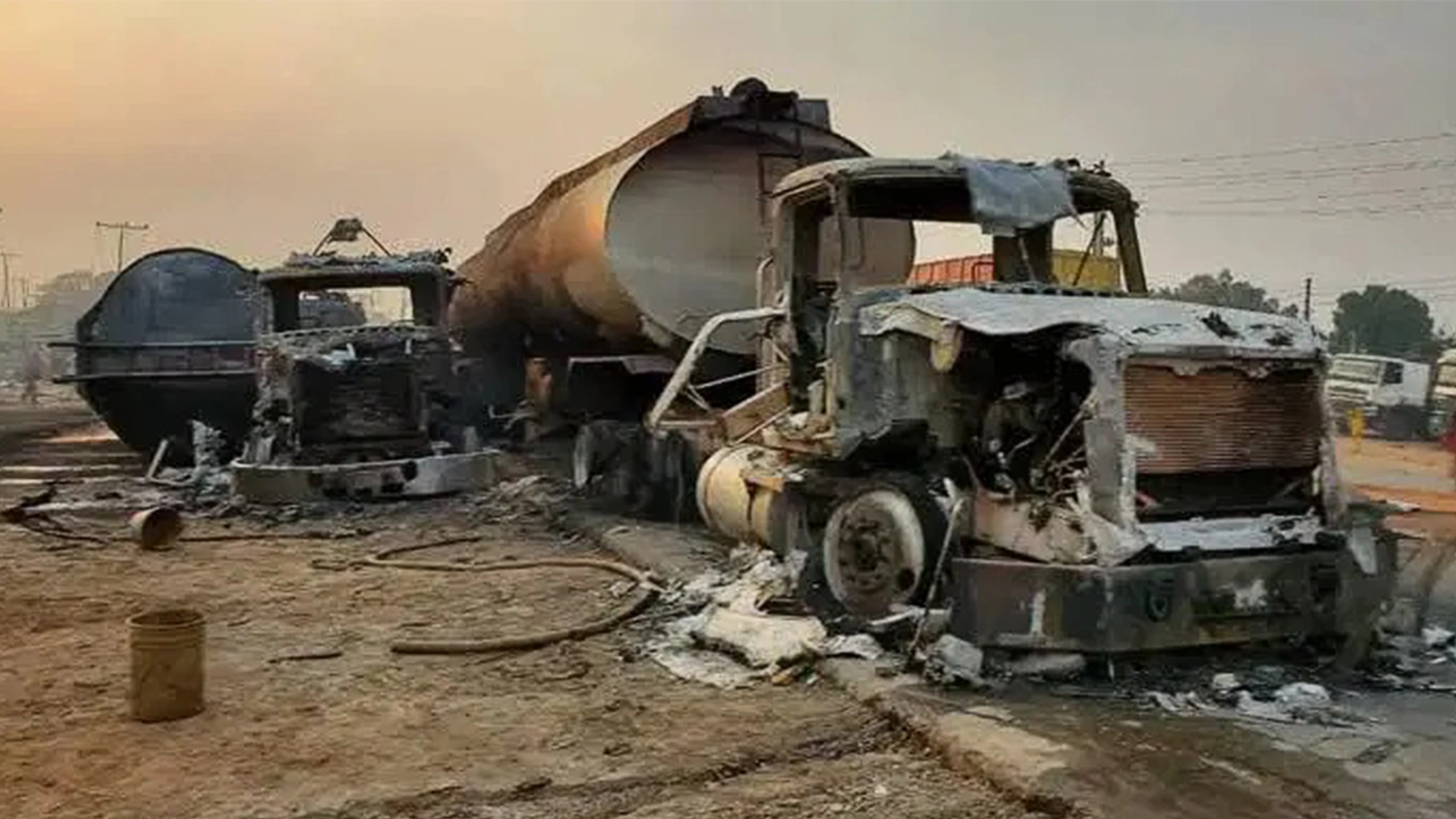
Nigeria’s roads have become moving minefields, with petrol tanker explosions routinely vaporising lives, flattening livelihoods, and turning transit corridors into catastrophic infernos.
The recent horrific explosions—from the devastating Majiya tragedy to frequent fireballs along major expressways—underscore a systemic failure of haulage regulation, infrastructure management, and public safety enforcement. While the Federal Road Safety Corps (FRSC) has reported significant technical strides under its Safe-to-Load initiative, the sheer volume of volatile fuel hauled daily via decaying asphalt remains an unsustainable national crisis. Nigeria must transition from reactive mourning to aggressive, internationally standardised structural reforms before the next highway bomb detonates.
Every week, Nigerian families wave goodbye to loved ones who never return, their lives cut short by the terrifying fireballs that have become regular occurrences on our national highways. These are not just statistics or numbers in a news report; they are real parents, children, and breadwinners. The recurring tragedies on our roads point to a deeply broken transport system that treats the movement of volatile fuel with casual indifference. It is time to stop viewing these horrors as unpredictable accidents and start treating them as a systemic failure that can—and must—be fixed.
To stop the bleeding, we must first be honest about why these trucks keep crashing and exploding:
Too many tankers on our roads are poorly retrofitted flatbed containers that completely lack anti-rollover stability. Without internal bulkheads to keep the liquid from sloshing around, these top-heavy vehicles easily capsise the moment they hit a bad patch of road.
Because our national rail network and pipeline systems have been neglected for decades, we rely almost entirely on trucks to move millions of liters of highly volatile fuel across the country. Forcing heavy tankers onto crumbling, pothole-riddled roads is a recipe for disaster.

The secondary tragedy is perhaps the most heartbreaking. Driven by extreme economic hardship and a lack of awareness about how quickly fuel vapors catch fire, local residents often rush toward crashed tankers with plastic buckets. Stepping into an invisible cloud of petrol vapor means a single spark from a phone or shoe friction can trigger an instant, inescapable inferno.
We do not need to reinvent the wheel. By aligning our safety laws with international protocols—such as Europe’s Agreement Concerning the International Carriage of Dangerous Goods by Road (ADR)—our regulatory bodies like the Nigerian Midstream and Downstream Petroleum Regulatory Authority (NMDPRA) and the FRSC can deploy twenty immediate, practical fixes across five critical areas: Stop the use of oversized 60,000 to 90,000-litre mega-tankers that destroy road surfaces and pose massive roll risks.
Legislate that all fuel compartments must have internal wave-breaking walls to prevent fuel sloshing, which destabilises trucks on sharp bends.
Every tanker must have bottom-loading valves that seal automatically during an impact, keeping the fuel locked inside even if the truck flips upside down.
Ban the dangerous practice of welding second-hand steel tanks onto mismatched truck chassis without structural certifications.
Equip every petroleum haulage truck with a hardwired electronic governor restricting speeds to a maximum of 60 km/h.
Replace vulnerable paper checklists at refinery gates with tamper-proof digital profiles linked directly to a master transport database.
Legally penalise any fuel depot or refinery facility that loads an uncertified, uninsured, or defective truck.
Mandate that all tank vessels undergo rigorous pressure testing every 12 months to check for hidden structural cracks.
Introduce mandatory, on-the-spot breathalyzer and substance abuse checks for drivers at depot exit points.
Use real-time barcode scanning on tankers to instantly verify that vehicle insurance, driver licensing, and vehicle fitness are completely up to date.
Shift long-distance fuel transport away from highways by integrating dedicated fuel container train cars into our national rail corridors.
Invest heavily in securing and upgrading underground pipeline networks to deliver fuel directly to regional mega-depots.
Restrict heavy petroleum trucks from using inner-city roads and fragile residential bridges, keeping them strictly on designated bypasses.
Restrict the movement of highly volatile hazardous goods during high-risk, low-visibility night hours.
Empower first responders to set up physical barriers instantly at crash sites to keep onlookers away from invisible, flammable vapor clouds.
Station dedicated, foam-bearing chemical fire fighting trucks along high-risk transit corridors like the Lagos-Ibadan and Abuja-Lokoja expressways.
Enforce strict logbooks to combat driver fatigue, mandating rest stops for haulage operators after eight hours on the road.
Set up surprise highway inspection points focused entirely on checking truck tire health, braking systems, and steering alignment.
Launch visceral, highly visual community campaigns via the National Orientation Agency (NOA) to teach everyday citizens that an overturned tanker is an active bomb, not a source of free fuel.
Train community leaders, local chiefs, and youth groups along major expressways on how to quickly push crowds away from a crash site before emergency vehicles arrive.
Implementing these reforms requires significant capital, but the economic cost of doing nothing—measured in lost lives, destroyed roads, and vaporised cargo—is far higher.
The rehabilitation of Nigeria’s 5,120-kilometer pipeline network cannot be funded by the federal budget alone. By offering long-term concession models to private infrastructure firms, Nigeria can leverage private capital to install modern, fiber-optic leak detection and anti-tamper telemetry systems, making pipelines a safe, viable alternative to roads.
To help fleet operators transition away from substandard trucks, the Federal Government should introduce a zero-duty tariff on the importation of ADR-compliant tanker components (such as internal stability baffles and automatic shut-off valves). Logistics companies that modernise their fleets within a 24-month window should receive corporate tax rebates. Transitioning bulk fuel to rail requires dedicated cargo terminals. Part of the infrastructure component of the fuel subsidy savings should be directly ring-fenced to subsidise the cost of rail freight for petroleum products, making rail transport cheaper per liter than road haulage for marketers.
Historically, transport unions like the National Association of Road Transport Owners (NARTO) and the Petroleum Tanker Drivers (PTD) have resisted strict regulations by threatening national strike. Overcoming this requires an ironclad legal framework that shifts accountability from the drivers to corporate entities.
The law must be amended so that if an uncertified tanker crashes, the oil marketing company and the loading depot face joint legal liability. If a major marketer faces a multibillion-naira fine or the suspension of their operating license because they hired a substandard truck, they will naturally stop using sub-standard transport providers.
Any depot official who manually bypasses the digital Safe-to-Load system or issues a fraudulent clearance certificate must face mandatory minimum prison sentences under a revamped Federal Road Safety Act.
If three trucks belonging to the same logistics fleet are caught violating speed limits, operating without baffles, or ignoring driving-hour limits within a year, the entire company’s transport permit must be revoked nationwide.
Losing hundreds of citizens to avoidable fuel fires is a tragedy that Nigeria can no longer tolerate. True road safety cannot depend on a driver’s luck in dodging a pothole. It requires strict enforcement of engineering rules, heavy corporate accountability for transport companies, and a modern shift in how our nation moves its energy.
Ihonor is a veteran journalist and media consultant based in Asaba, Delta State.

