
 Get Guardian on Google
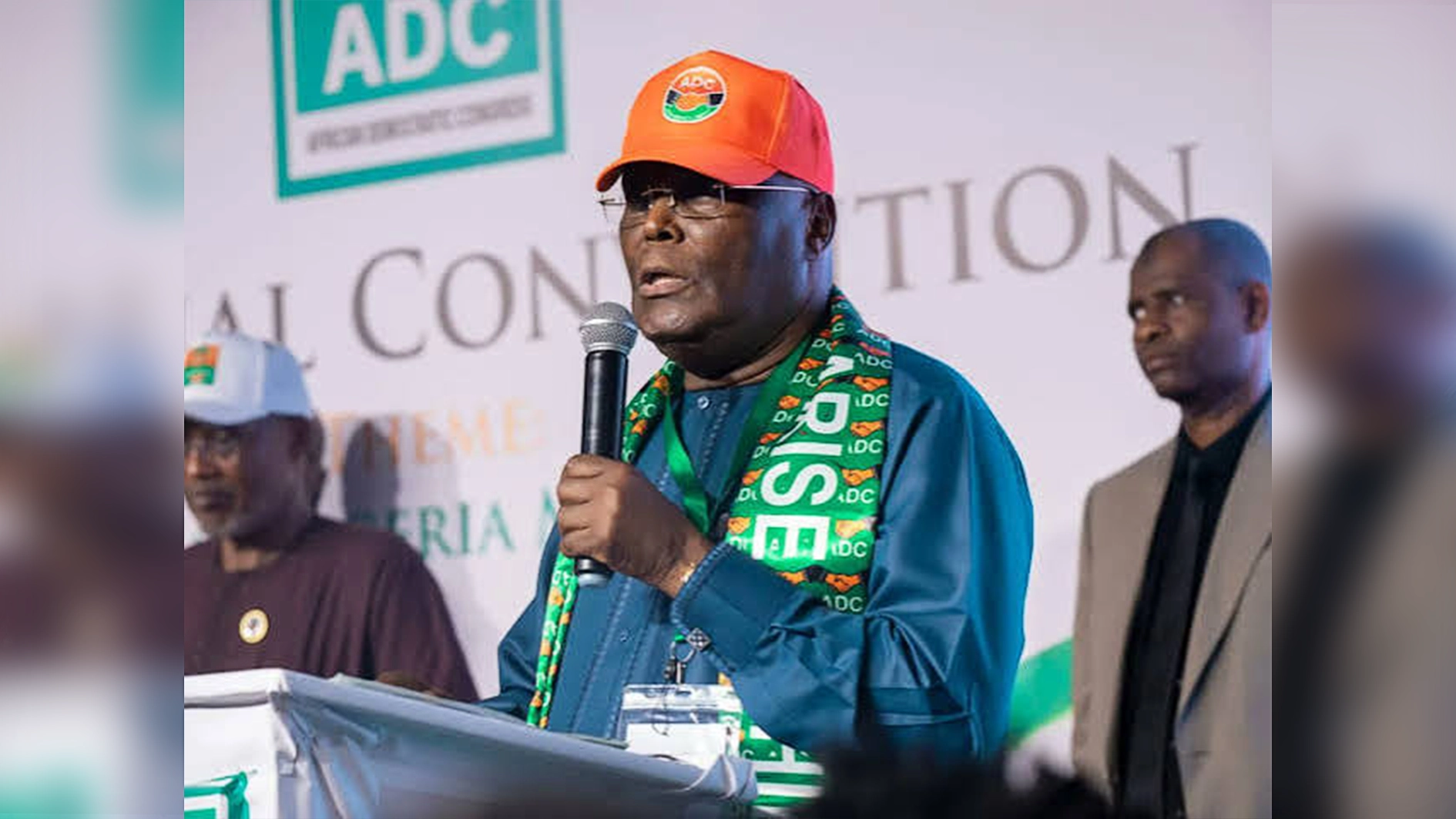
Former member of the House of Representatives and legal practitioner Kayode Oladele has warned that former Vice-President Atiku Abubakar could be excluded from the 2027 presidential ballot following a Federal High Court judgment nullifying the leadership of the African Democratic Congress (ADC) led by Senator David Mark.
Oladele said the judgment, delivered by Justice Peter Lifu in Abuja, raises questions about the validity of the ADC’s presidential nomination, particularly in light of the Supreme Court’s recent decision in Zenith Labour Party v Independent National Electoral Commission, delivered on 24 September 2026.
He said the judgment had brought into focus the legal consequences of conducting party affairs under a disputed leadership structure, warning that the implications extended beyond the removal of Mark and other national officers.
“I have consistently warned the ADC about the grave legal consequences of its internal leadership crisis and the danger of conducting party affairs through a disputed leadership structure. Unfortunately, the party now faces the very legal complications I have repeatedly cautioned against”.
He added: “The fundamental question is whether a leadership structure declared unlawful by a competent court could validly conduct presidential primaries and nominate candidates for a general election.”
Oladele said that although the ADC leadership dispute and the Supreme Court case involved different circumstances, both highlighted the importance of compliance with statutory requirements governing political parties and candidate nominations.

In the Zenith Labour Party case, the Supreme Court upheld the constitutionality of sections 77(5), 77(6), 77(7) and 84(2) of the Electoral Act 2026, affirming the power of the legislature to prescribe binding requirements for party membership registers and candidate nomination procedures.
According to Oladele, a key aspect of the judgment was the distinction between an individual candidate’s personal qualification and the legal eligibility of the political party sponsoring that candidate.
He said the court made clear that failure to comply with the relevant membership register requirements could affect a party’s eligibility to field candidates, regardless of whether an individual aspirant was personally qualified.
“That distinction is particularly relevant to the present ADC controversy. Although the defect identified in Thursday’s judgment concerns the legality of the party leadership rather than the submission of membership registers, the broader legal question remains whether the party validly exercised its statutory power to nominate candidates”.
Oladele said the Supreme Court ruling demonstrated that electoral compliance was a substantive legal obligation rather than a procedural formality.
He, however, cautioned against treating the two cases as legally identical, stressing that the Supreme Court had determined the constitutionality of specific provisions of the Electoral Act, while the Federal High Court had ruled on the legality of the ADC leadership and its decisions.
“The two cases must not be confused,” he said.
“Nevertheless, both cases demonstrate the potentially serious electoral consequences of defects affecting political parties’ nomination processes.
“Where a court invalidates the authority of the officials responsible for conducting a primary election and consequently nullifies the resulting nomination, the affected candidate faces a substantial legal obstacle unless the judgment is successfully challenged or otherwise lawfully addressed.”
Oladele said Atiku could ultimately be left off the presidential ballot if the Federal High Court judgment was upheld on appeal.
He also dismissed suggestions that the Independent National Electoral Commission’s earlier publication of Atiku’s name would automatically settle the question of his candidacy.
“INEC’s publication of a candidate’s name does not confer immunity against a subsequent judicial determination invalidating the nomination process. The commission is bound to act in accordance with the Constitution, the Electoral Act and applicable judicial orders”.
The former lawmaker said the controversy should serve as a warning to political parties about the consequences of allowing internal leadership disputes to remain unresolved.
He maintained that leadership legitimacy, internal democracy and compliance with electoral laws were essential to the credibility and validity of the electoral process.
“The ADC must now address the legal consequences of the judgment rather than assume that political declarations can substitute for compliance with the law”.
Oladele said Atiku’s political standing, experience and personal eligibility could not independently validate a nomination process that had been invalidated by a court.
“Whether the ADC can preserve his nomination will ultimately be determined by the courts and the applicable electoral law. No political party or candidate is above the law,” he said.