 Get Guardian on Google
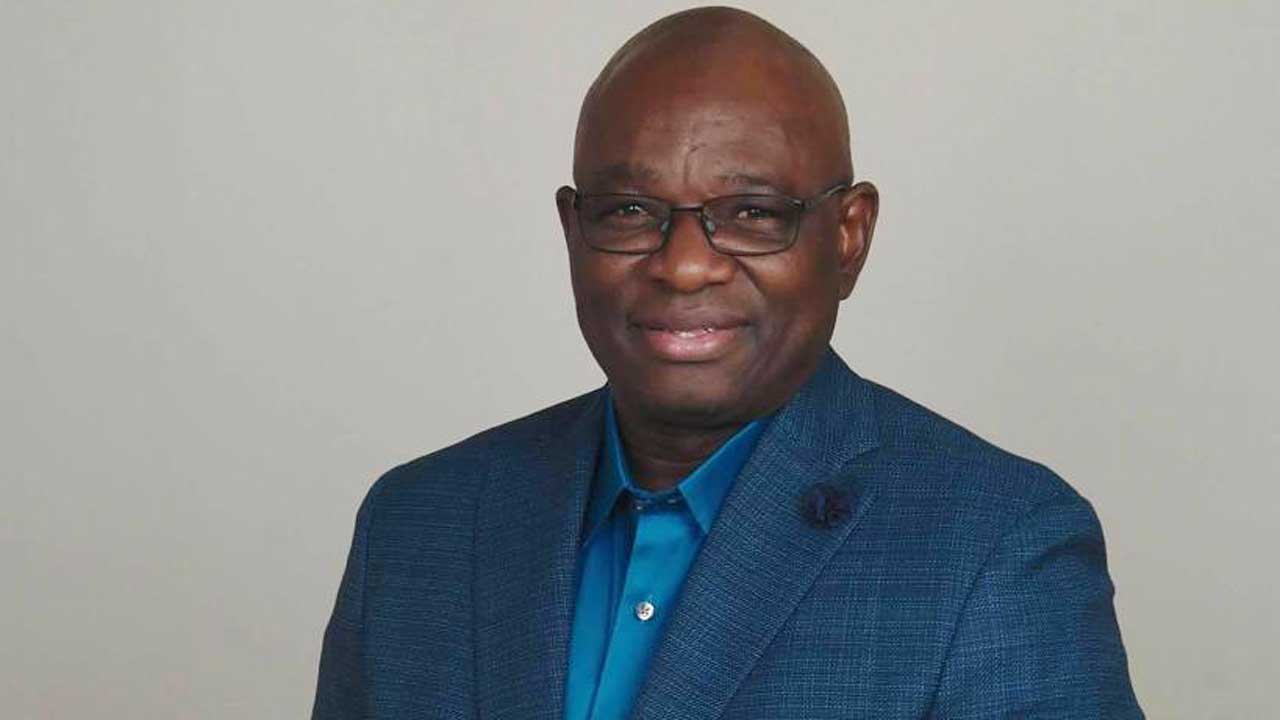
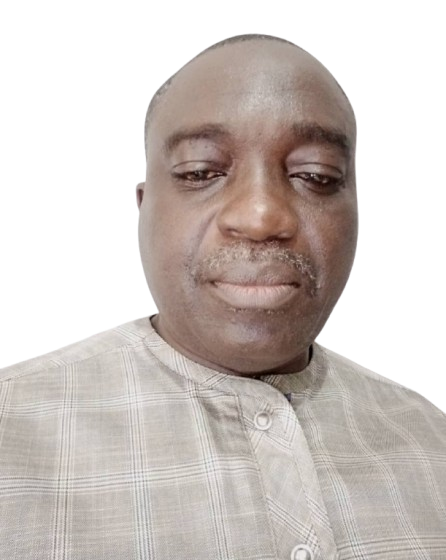
In this interview, the founder and chief executive officer of Green Light Drivers Ed & DUI School LLC in the United States, Dr Atilade Olufemi Oshoniyi, evaluates President Bola Tinubu’s economic reforms, examines lessons from Lagos’ development and identifies the policy choices Nigeria needs to achieve sustainable growth. He assesses the administration’s record, the challenges ahead and the priorities for national development by 2027. He spoke with SEYE OLUMIDE.
Why should Nigerians believe today’s sacrifices will translate into a better economy tomorrow?
The first point I would make is that economic sacrifice cannot become a permanent national development strategy. Nigerians have demonstrated extraordinary resilience, but resilience must not be mistaken for unlimited capacity to endure hardship.
President Tinubu inherited an economy burdened by longstanding structural weaknesses, including expensive petrol subsidies, foreign-exchange distortions, inadequate infrastructure, low productivity, revenue constraints, and excessive dependence on crude oil.
The removal of petrol subsidies and liberalisation of foreign exchange were consequential decisions because they attempted to confront economic distortions that successive administrations had struggled to resolve.
However, the necessity of reform does not automatically guarantee successful implementation. The economic justification for these measures is that resources previously absorbed by inefficient subsidies can become available for productive investments, while a more market-responsive exchange-rate system can improve transparency and reduce opportunities for arbitrage.
But Nigerians are entitled to ask: Where are the savings? Where are the jobs? Where are the improvements in electricity, education, healthcare, and transportation? These are legitimate questions.
The IMF’s June 2026 assessment recognised improvements in macroeconomic resilience while estimating that poverty had reached 63 per cent under Nigeria’s national poverty measure. This demonstrates the enormous distance between economic stabilisation and social recovery.
My position is that Nigerians should judge reform not by government announcements but by measurable outcomes. If reforms produce stronger public finances, more reliable electricity, better agricultural productivity, improved transport systems, and sustainable employment, then today’s sacrifices may be justified by tomorrow’s opportunities.
If those benefits fail to materialise, the government must revise its implementation strategy. The administration must therefore establish transparent milestones, publish results, and ensure that economic adjustment is accompanied by credible social protection.
The ultimate justification for economic reform is not the suffering people endure, but the prosperity, security, and opportunity that follow.
What are Tinubu’s most consequential economic changes beyond subsidy removal and exchange-rate reform?
I would identify five areas of economic significance. First is the restructuring of the revenue system. Nigeria’s recent tax reforms seek to modernise tax administration, improve compliance, simplify elements of the tax framework, and reduce dependence on petroleum revenues.
The tax legislation implemented from January 2026 represents an important institutional change. Its long-term success will depend on whether it broadens compliance without placing disproportionate burdens on small enterprises and low-income citizens.
Second is the effort to strengthen monetary and foreign-exchange discipline. A more transparent currency market can improve investor planning, although exchange-rate flexibility must be accompanied by policies that expand domestic production and export earnings.
Third is the renewed emphasis on mobilising private investment. The government cannot finance Nigeria’s infrastructure and industrialisation needs alone. Private capital must participate through properly structured partnerships, credible regulation, and enforceable contracts.
Fourth is the restructuring of public finance relationships, particularly the increased resources flowing through the federation’s revenue-sharing arrangements.
Fifth is the growing recognition that Nigeria must create an enabling environment for domestic refining, manufacturing, agriculture, and technology.
However, I would distinguish reform announcements from completed institutional transformation. For example, increasing tax collections is not necessarily evidence of improved governance. Revenue reform becomes meaningful when businesses experience simpler compliance, the government reduces waste, and citizens receive better public services.
Similarly, attracting foreign portfolio investment is not equivalent to building factories or creating permanent jobs.
The administration’s next challenge is to translate fiscal and financial reforms into productive investment, economic diversification, and rising household incomes.
What evidence demonstrates that subsidy savings have been transparently accounted for and invested in development?
This is one of the most important accountability questions facing the administration.
There is evidence that the government has increased available public resources following subsidy reform, but it would be inaccurate to claim that every naira of estimated subsidy savings has been independently traced to a completed development project.
In August 2026, the Federal Ministry of Finance published an economic reform scorecard estimating approximately N15.8 trillion in subsidy-related savings across the federation, while distinguishing these amounts from additional federal revenue and borrowing.
That disclosure is useful, but it does not replace an audited reconciliation.
Indeed, the IMF’s 2026 assessment raised concerns about whether estimated subsidy savings had fully accrued to the budget and about weaknesses in fiscal reporting and spending transparency.
We should therefore avoid confusing estimated fiscal savings, actual cash receipts, statutory transfers, budget allocations, and verified project expenditure.
I would recommend creating a publicly accessible National Reform Dividend Dashboard. This platform should disclose the calculated amount of subsidy-related fiscal benefit, the methodology used, the amounts received by each tier of government, the projects financed, the contractors engaged, the disbursements made, and the independently verified completion milestones.
Citizens should be able to identify how public resources have improved a hospital, school, road, irrigation scheme, or electricity installation in their communities.
The Office of the Auditor-General, National Assembly, state audit institutions, civil society organisations, and independent professionals should have access to the necessary records. I would also support quarterly public reporting and annual independent performance audits.
Transparency should not be regarded as an attack on the government. It is an instrument for strengthening public confidence. A government that has undertaken difficult reforms should welcome the opportunity to demonstrate where the resulting resources have gone.
Why is there a gap between improving macroeconomic indicators and household hardship?
Macroeconomic stabilisation and household prosperity are related, but they are not identical. An economy can record positive GDP growth while millions of citizens experience declining purchasing power.
Inflation can slow without prices returning to previous levels. Exchange-rate volatility can diminish while imported goods remain expensive. Government revenue can increase without immediately producing higher household incomes. This distinction is fundamental.
The World Bank’s October 2026 Nigeria Development Update emphasises that the country’s next challenge is to move from macroeconomic stabilisation to inclusive growth, job creation, poverty reduction, and improved living standards.
For ordinary Nigerians, the relevant questions are practical. Can a teacher afford transportation to work? Can a small manufacturer operate profitably? Can a farmer transport produce safely? Can a young graduate secure meaningful employment? Can a family afford healthcare without selling productive assets?
Until the answers improve, recovery remains incomplete. I believe the government should establish a Household Economic Recovery Index incorporating real wages, food affordability, household energy costs, employment quality, and disposable income. The index should be published quarterly and disaggregated by state and income group.
We should also distinguish between declining inflation and falling prices. If inflation falls from 25 per cent to 15 per cent, prices are generally still rising, only more slowly.
The next stage of reform must therefore focus on productivity, competition, logistics, affordable energy, and employment.
There is no defensible reason to postpone measuring household recovery until 2031. Progress should become visible through annual improvements, beginning now.
Which economic gains could be endangered by policy reversal, and what reforms should be adjusted?
The most important economic achievements to preserve are those that strengthen transparency, fiscal sustainability, competition, and institutional credibility.
A return to poorly targeted, opaque fuel subsidies could recreate fiscal pressures and opportunities for rent-seeking. Similarly, a return to an administratively fragmented foreign-exchange system could encourage arbitrage, reduce transparency, and undermine investor confidence.
However, continuity should not mean refusing to correct policy weaknesses.
I would support preserving a credible exchange-rate framework, improving revenue administration, maintaining monetary discipline, and ensuring transparent public financial management, regardless of which political party governs Nigeria.
At the same time, reforms must remain subject to evidence.
If a tax measure damages small-business survival without generating meaningful revenue, it should be reconsidered. If electricity tariff adjustments occur without corresponding improvements in supply, the implementation framework requires review.
If agricultural reforms fail to improve production and food affordability, their design must be examined. If cash-transfer programs consistently fail to reach eligible households, the delivery system must change.
The critical distinction is between abandoning a sound policy objective and improving a defective implementation mechanism.
National economic policy must not become a matter of political pride.
The responsibility of the government is to achieve results, not merely to defend decisions already taken.
Which decisions address Nigeria’s structural weaknesses, and how should success be measured by 2031?
Nigeria’s structural challenges cannot be resolved through monetary stabilisation alone. We must increase the economy’s productive capacity. The current administration’s emphasis on revenue reform, domestic refining, infrastructure investment, energy-sector restructuring, and private-sector participation offers potential foundations for diversification. However, the real test will be implementation.
By 2031, I would expect Nigeria to demonstrate measurable progress in five areas. First, a larger and more competitive manufacturing sector, reflected in industrial output, exports, and sustainable employment.
Second, stronger agricultural value chains, including irrigation, storage, processing, and rural transportation.
Third, more reliable electricity for households and productive enterprises. Fourth, improved transport infrastructure connecting farms, factories, markets, ports, and major population centres.
Fifth, a more effective education and vocational training system aligned with industry requirements. Nigeria must also increase the proportion of its export earnings generated outside crude petroleum.
As an engineer and entrepreneur, I strongly believe that the country’s transformation must be measured through what Nigerians produce, manufacture, invent, process, and export.
A successful economy is not simply one that attracts investment. It is one that enables domestic enterprises to compete, employ workers, and create value. By 2031, Nigerians should be able to identify industries that have expanded, businesses that have survived, and employment opportunities that did not previously exist.
What role has Tinubu played in domestic refining, particularly the Dangote refinery?
The development of domestic refining capacity represents an important opportunity to restructure Nigeria’s petroleum economy. However, we must distinguish between the investment decisions that preceded the current administration and the policies introduced during its tenure.
The Dangote refinery is principally a private-sector investment whose planning, financing, construction, and development began before President Tinubu assumed office. It would therefore be inaccurate to attribute its creation exclusively to his administration.
Nevertheless, the Federal Government has an important responsibility to ensure that the refinery and other domestic producers operate in a transparent, competitive, and predictable market.
The removal of petrol subsidies, changes in petroleum pricing, and efforts to improve domestic crude supply arrangements have affected the operating environment.
The administration should now prioritise reliable crude supply under commercially transparent arrangements, fair competition, efficient distribution, and regulatory consistency.
Domestic refining should not merely replace dependence on imported petroleum products with dependence on a single dominant supplier. Competition must remain central.
The government should encourage additional investments in modular and conventional refining while ensuring that pricing arrangements are transparent and commercially sustainable.
Nigeria should also develop downstream industries associated with petrochemicals, plastics, industrial inputs, logistics, and engineering services.
The true success of domestic refining will be measured not simply by refinery capacity, but by reduced supply vulnerability, increased local value addition, productive employment, and internationally competitive industrial costs.

What should the government do to ensure that reforms benefit ordinary Nigerians?
I would propose a National Productive Enterprise and Household Prosperity Agenda, built around small businesses, agriculture, manufacturing, skills development, and targeted social protection.
The first priority should be affordable and reliable electricity for productive enterprises. Small businesses cannot compete when they must generate most of their electricity privately.
Second, the government should expand access to appropriately priced financing for viable small enterprises, supported by transparent credit assessment and performance monitoring.
Third, agriculture requires a comprehensive value chain strategy that covers security, mechanisation, irrigation, storage, processing, and market access.
Fourth, technical and vocational education must be elevated to a major national development priority.
Nigeria needs skilled technicians, electricians, machinists, welders, software developers, vehicle technicians, logistics professionals, and industrial maintenance specialists.
Fifth, the government should strengthen industrial clusters and create opportunities for Nigerian inventors to commercialise products domestically.
Sixth, social protection must become more predictable, adequately funded, and independently verifiable.
Finally, government procurement should create fair opportunities for qualified Nigerian small and medium-sized enterprises. My international business experience has taught me that entrepreneurs thrive when regulations are predictable, infrastructure functions, financing is accessible, and public institutions treat businesses fairly.
Nigeria does not lack entrepreneurial talent. What it needs is a more supportive environment in which that talent can generate sustainable prosperity.
Lagos as the test case: What did Tinubu build, and what remained unfinished.
Which achievements from Tinubu’s Lagos years provide the strongest basis for assessing his national leadership?
President Tinubu’s tenure as Governor of Lagos State, from 1999 to 2007, remains an important reference point in assessing his leadership philosophy.
I would identify three areas as particularly consequential: revenue administration, institutional development, and long-term infrastructure planning.
Lagos already possessed substantial economic advantages before his administration, including its ports, commercial concentration, entrepreneurial population, and position as Nigeria’s principal business centre.
Tinubu did not create these advantages. However, his administration helped develop institutional mechanisms intended to improve the state’s ability to mobilise and manage resources.
The strengthening of tax administration and the development of institutions capable of supporting future infrastructure investment were important contributions.
Another significant development was the establishment of the Lagos Metropolitan Area Transport Authority (LAMATA), in 2002, which created a framework for coordinated metropolitan transport planning.
This demonstrates an important leadership principle: transformative governance requires institutions that survive the individuals who establish them.
I would nevertheless caution against attributing every subsequent Lagos achievement to one governor.
The contributions of successive administrations, private investors, public servants, federal institutions, and Lagos residents must be acknowledged.
My assessment is that Tinubu’s strongest Lagos legacy lies less in individual projects than in the development of governance structures that subsequent administrations could expand.
That experience is relevant nationally, provided it is adapted to Nigeria’s much greater geographic, economic, and institutional complexity.
How did Tinubu strengthen Lagos’s revenue base, and what lessons apply at the federal level?
One of the most important lessons from Lagos is that the government must improve its capacity to collect legitimate revenue efficiently and transparently.
During Tinubu’s governorship, Lagos pursued measures to strengthen internally generated revenue by improving tax administration, taxpayer identification, collection systems, and institutional capacity.
The state’s revenue performance subsequently became a major feature of its development narrative. However, historical revenue comparisons must account for inflation, economic growth, changes in tax policy, and the contributions of later administrations.
The broader lesson is that effective revenue mobilisation depends on credible institutions rather than arbitrary taxation. At the federal level, recent tax reforms similarly seek to modernise administration, improve compliance, and rationalise aspects of the tax framework.
The IMF’s 2026 assessment identified opportunities for improved revenue collection through digital administration and stronger compliance mechanisms. But Nigeria must avoid turning revenue generation into an end in itself. Tax administration should be fair, predictable, and affordable to comply with.
A small business should not face overlapping demands from multiple government agencies without clarity about its obligations. I would advocate harmonised taxation, simplified digital filing, stronger taxpayer protections, and transparent publication of revenue utilisation.
The relationship between government and taxpayers should be based on mutual accountability. Citizens have an obligation to pay lawful taxes, while the government has an equally important obligation to provide public services and demonstrate responsible stewardship.
How much of Lagos transport and urban development should be attributed directly to Tinubu?
Lagos’s infrastructure transformation is best understood as a cumulative institutional achievement. Tinubu’s administration helped establish foundations for coordinated transport planning, but many major projects were developed, financed, completed, or expanded under successive governors.
For example, the Bus Rapid Transit (BRT) system became operational after Tinubu left office, while the Lagos rail projects involved years of planning and implementation across different administrations.
Similarly, commercial developments such as Eko Atlantic involved subsequent implementation, private investment, and changing economic conditions.
It is therefore important to distinguish project conception, institutional planning, financing, construction, completion, and operational performance. Credit should be allocated accordingly.
In my professional experience, successful leadership is not always measured by personally completing every initiative.
Sometimes the greater achievement is establishing institutions, systems, and policies that allow future leaders to deliver. However, an institution’s existence is not proof of its effectiveness. Its performance must be assessed in terms of service quality, financial sustainability, maintenance, accessibility, and public satisfaction.
For Nigeria, the lesson is that major national projects should be designed to survive electoral transitions.
Infrastructure should not become abandoned simply because political leadership changes. We need national development institutions whose credibility rests on professional competence, transparent procurement, and continuity of purpose.
What do Lagos’s persistent problems reveal about the limits of its development model?
Lagos demonstrates both the possibilities and the limitations of rapid urban development. It has achieved remarkable commercial expansion, yet it continues to struggle with congestion, flooding, housing affordability, environmental pressure, and substantial socioeconomic inequality.
These challenges remind us that economic growth does not automatically produce equitable urban development. A city can attract investment and generate substantial revenue while many residents remain excluded from adequate housing, reliable transportation, and essential services.
Urban renewal must therefore be balanced with environmental protection, social inclusion, and appropriate compensation where displacement occurs. Nigeria should learn from these limitations.
At the national level, infrastructure development must include environmental impact assessment, community consultation, affordable housing considerations, and long-term maintenance planning.
The government should also prioritise balanced regional development.
Nigeria cannot afford a development model in which a few metropolitan centres attract most investment while rural communities and smaller cities experience continuing decline.
I would advocate a network of regional industrial and logistics hubs connected by reliable roads, rail, electricity, and digital infrastructure.
The objective should be to distribute economic opportunity across the federation.
The Lagos experience provides valuable lessons, but it is not a complete blueprint for governing a country as diverse and complex as Nigeria.
What equivalent foundations has Tinubu laid nationally, and what should be consolidated by 2027?
The emerging national foundations include changes in fiscal policy, foreign-exchange administration, taxation, domestic energy markets, and the framework for private-sector investment.
These are significant because they influence how the government raises resources, how investors assess risk, and how businesses plan.
However, foundations should not be confused with completed structures.
Between 2027 and 2031, any administration entrusted with governing Nigeria should move decisively from stabilisation toward visible development outcomes.
In electricity, the priority should be increased reliable supply, stronger distribution networks, better metering, and commercially sustainable arrangements that protect vulnerable consumers.
In transportation, priority should be given to economically important roads, rail freight corridors, ports, and agricultural logistics networks. In industrialisation, Nigeria should develop competitive manufacturing clusters linked to domestic raw materials and export markets.
In education, technical training should become a major instrument of employment creation. In healthcare, primary healthcare facilities should receive stronger funding, staffing, equipment, and accountability.
In agriculture, the government should support productivity and reduce post-harvest losses.
I would also advocate stronger cooperation between federal, state, and local governments. Nigeria’s development cannot be delivered by the federal government alone.
The President should establish clear national performance standards while respecting constitutional responsibilities and encouraging state-level innovation.
By 2031, success should be visible in operational infrastructure, productive enterprises, safer communities, and improved household welfare.
Public anger, trust and the meaning of a second term
What would you say to Nigerians struggling to survive despite economic reform?
I would begin by acknowledging their experiences without qualification.
To the worker whose salary disappears within days, I would say that your hardship is real, and economic statistics cannot invalidate it.
To the farmer unable to reach the market safely, I would say that agricultural development is meaningless without security.
To the young graduate searching unsuccessfully for employment, I would say that education must lead to genuine opportunities for productive participation in the economy.
These are not abstract policy concerns. They are matters of dignity, security, and national responsibility.
The government must demonstrate empathy through action rather than rhetoric. This requires stronger food security interventions, improved public transportation, affordable healthcare, effective employment programs, and reliable social protection.
It also requires visible restraint in government expenditure.
Citizens cannot be expected to embrace sacrifice while public officials appear insulated from the economic conditions affecting ordinary households. Leadership must demonstrate shared responsibility.
I would support regular public reporting on household welfare, accompanied by direct engagement with professional associations, organised labour, farmers, students, and small business operators.
The government should explain not only what it intends to accomplish but also why implementation has fallen short when targets are missed.
A responsible administration must be willing to admit mistakes, correct them, and communicate transparently.
The social contract is strengthened when citizens believe that the government listens, responds, and accepts accountability.
How effective have cash transfers and other relief measures been?
Targeted cash transfers can provide important temporary assistance to vulnerable households, particularly during periods of economic adjustment.
However, their effectiveness depends on coverage, payment reliability, adequacy, and transparency.
The IMF reported in June 2026 that approximately 9.2 million households had been enrolled in Nigeria’s cash-transfer system, against a target of 15 million, while, at the time of its assessment, enrolled households had received no more than three payments of N25,000 since 2023.
This indicates that enrollment alone is insufficient to demonstrate effective social protection. More recent government reporting indicates expanded coverage, but the distinction between registered beneficiaries and households receiving timely payments remains important.
I would recommend a unified, independently audited social protection framework that integrates reliable beneficiary identification, secure digital payments, accessible grievance mechanisms, and transparent reporting.
Assistance should be adjusted periodically to reflect changes in the cost of essential goods. There should also be stronger coordination between cash transfers and programs supporting school attendance, maternal health, vocational training, and employment.
The objective should be to protect vulnerable citizens while creating pathways toward economic independence. Cash transfers cannot substitute for functioning schools, hospitals, affordable food, and productive employment. They are a necessary instrument of protection, not a complete development strategy.
Which priorities should dominate a second term, and what measurable commitments should be made?
I would place security, institutional accountability, and productive employment at the centre of the national agenda. Security must come first because economic development cannot flourish where people cannot travel, farm, trade, or operate businesses safely.
The government should establish measurable security indicators, including reductions in violent incidents, kidnappings, attacks on farming communities, and disruptions to major transportation corridors.
These indicators should be independently assessed and reported regularly.
Second, public institutions must become more accountable. The government should strengthen procurement transparency, financial auditing, anti-corruption enforcement, and the professional independence of oversight institutions.
Anti-corruption efforts should be consistent, evidence-based, and free from political selectivity.
Third, Nigeria needs a national employment and productivity strategy.
I would advocate measurable commitments covering apprenticeships, technical certification, industrial employment, agricultural processing, and small-business expansion.
The government should distinguish temporary program participation from sustainable jobs.
A person attending a short training course should not automatically be counted as having secured employment. Likewise, infrastructure expenditure should be measured by completed, functioning assets rather than by contract announcements.
The President should publish annual national performance reports containing clear baselines, targets, expenditures, outcomes, and explanations for missed commitments. These reports should be open to independent professional review.
How can Nigeria convert diaspora remittances and international experience into productive investment?
As a Nigerian professional and entrepreneur based in the United States, I see enormous opportunities for Nigeria to benefit from the expertise, capital, innovation, and international networks of its diaspora.
Nigerians abroad contribute significantly through remittances, family support, education, healthcare expenditure, and private investment.
However, family remittances are often directed toward immediate consumption due to pressing financial needs.
There is nothing wrong with supporting one’s family. Indeed, such support is an important social responsibility.
But Nigeria should create additional channels through which diaspora resources can support productive enterprise. I would recommend a structured Diaspora Enterprise and Innovation Investment Framework.
This should include credible investment protections, transparent dispute resolution, independently governed investment vehicles, and opportunities for diaspora participation in manufacturing, agriculture, healthcare, education, technology, and infrastructure.
Nigeria should also develop programs that connect diaspora professionals with universities, technical institutions, startups, and industrial enterprises.
My experience developing a patented product and working with international manufacturing partners has shown me the importance of product design, quality control, intellectual property protection, supply-chain management, and market access.
These capabilities can contribute directly to Nigeria’s industrial development. Similarly, my experience operating a regulated driver-education enterprise in the United States provides a basis for adapting international practices in transport safety, professional training, and public-private partnerships.
I believe Nigeria should establish mechanisms through which experienced diaspora professionals can contribute technical expertise without necessarily relocating permanently.
Such arrangements could include advisory appointments, temporary professional assignments, joint ventures, investment partnerships, and institutional mentorship.
The government must also address the concerns that discourage diaspora investment: regulatory uncertainty, unreliable electricity supply, corruption, contract enforcement issues, insecurity, and foreign exchange risk. Diaspora engagement should move beyond ceremonial conferences toward bankable projects and measurable outcomes.
Nigeria’s diaspora should be recognised not merely as a source of foreign currency, but as a reservoir of intellectual capital, technological knowledge, entrepreneurship, and international partnerships.
What three achievements, three unfinished tasks, and three promises should shape the assessment of Tinubu’s leadership?
I would identify three verifiable areas of achievement, while carefully distinguishing policy implementation from the full realisation of economic benefits.
The first is the restructuring of the petroleum subsidy framework. The administration made a consequential decision to change a longstanding fiscal arrangement, although the transparency and distribution of the resulting fiscal benefits remain important questions.
The second is foreign-exchange and macroeconomic reform. International assessments have recognised improved macroeconomic resilience, even as they continue to highlight vulnerabilities and severe household hardship.
The third is the modernisation of revenue administration, particularly the introduction of new tax legislation and digital compliance mechanisms.
These are institutional changes that can be evaluated through official legislation, public financial reports, and independent economic assessments.
However, I would acknowledge three major unfinished tasks.
The first is household economic recovery. Many Nigerians continue to experience severe pressure from the costs of food, transportation, housing, energy, and healthcare.
The second is insecurity. The inability of citizens to farm, travel, trade, and live safely remains a fundamental constraint on national development.
The third is the inadequate conversion of public resources into reliable electricity, productive employment, functioning infrastructure, and improved public services.
I would therefore propose three overarching commitments against which any administration serving through 2031 should be judged.
First: measurable household prosperity. The government should demonstrate sustained improvements in real incomes, food affordability, productive employment, and poverty reduction.
Second: safer communities and functioning infrastructure.
Citizens should experience verifiable improvements in security, electricity reliability, transport access, and essential public services.
Third: transparent and accountable public finance. The government should publish auditable information demonstrating how increased revenues and reform-related fiscal benefits have been allocated and used.
I would support setting quantified targets once reliable baselines have been independently established.
For example, electricity performance should be measured through actual hours of reliable service, not installed capacity alone.
Employment should be measured through sustainable jobs and earnings, not simply program registrations.
Poverty reduction should be measured through credible household surveys.
These commitments should apply regardless of political affiliation.
The national interest must remain greater than the fortunes of any individual political leader.
What precisely should a second term deliver that Nigerians can feel in their pockets and see in their communities?
I believe that if President Tinubu secures a second term, the central obligation should be to translate the difficult economic adjustments of his first administration into visible, inclusive, and sustainable improvements in national welfare.
The emphasis must shift from economic stabilisation to economic transformation.
The first priority should be household purchasing power. This requires sustained disinflation, higher productivity, competitive markets, improved food supply, and stronger real earnings.
The second priority should be reliable electricity. Nigeria’s industrialisation ambitions will remain constrained if manufacturers, schools, hospitals, and small businesses continue to depend excessively on costly private power generation. The third priority should be creating employment in productive sectors.
Agriculture, manufacturing, technology, construction, logistics, healthcare, and technical services offer substantial opportunities if supported by the right policies.
The fourth priority should be security.
No government can claim comprehensive economic progress while significant numbers of citizens remain unable to pursue their livelihoods safely.
The fifth priority should be human capital development. Nigeria’s young population represents an extraordinary national asset, but demographic potential becomes economic strength only when young people receive quality education, practical skills, healthcare, and opportunities for productive work. Finally, the administration should institutionalise accountability.
Every major national development program should have measurable objectives, transparent financing, realistic completion schedules, and independent evaluation.
What kind of Nigeria do you envision by 2031, and what key changes would you like to see in the country by then?
I would like to see Nigeria in 2031 where a farmer can safely transport produce to market, a graduate can secure meaningful employment, a manufacturer can operate with reliable electricity, a small-business owner can access fair financing, and a family can meet essential expenses without constant financial distress.
That is the standard against which a second term should be evaluated.
The fundamental question is not simply whether President Tinubu has undertaken difficult reforms. It is whether those reforms ultimately produce a more productive, equitable, secure, and prosperous Nigeria.
Nigeria stands at a defining moment in its development journey. We are a nation blessed with immense human talent, natural resources, entrepreneurial energy, and a strategically important position in Africa and the global economy.
Yet our development aspirations have repeatedly been constrained by weak institutions, inadequate infrastructure, policy inconsistency, insecurity, corruption, and insufficient investment in human capital.
I believe Nigeria possesses the capacity to overcome these challenges.
President Tinubu’s administration has undertaken significant economic reforms that have altered important aspects of the country’s fiscal and monetary framework.Some of these reforms address longstanding structural weaknesses. Others require stronger implementation, greater transparency, and more effective protection for vulnerable citizens.
The administration deserves to be assessed fairly on the reforms it has implemented, the results it has achieved, and the difficulties that remain unresolved. However, no administration should be exempt from accountability because its policies are difficult or its intentions are ambitious.
As a professional engineer, entrepreneur, inventor, and institutional leader, I believe sustainable national development requires the integration of sound policy, competent execution, effective institutions, private-sector innovation, and measurable public benefit.
My international experience has reinforced my confidence that Nigeria can build globally competitive enterprises, modernise transportation systems, improve technical education, expand manufacturing, and attract productive investment.
I remain willing to contribute my professional experience, expertise, and international networks toward these objectives through appropriate public service, institutional partnerships, and private-sector initiatives.
The most important national conversation should not be confined to who occupies political office. It should concern the institutions we strengthen, the opportunities we create, the lives we improve, and the country we leave to future generations.
Nigeria must become a nation where economic growth translates into shared prosperity, public leadership produces measurable results, and every citizen has a fair opportunity to succeed.
That is the Nigeria I believe in, the Nigeria I am prepared to contribute toward building, and the Nigeria against which every administration should be judged.