
 Get Guardian on Google
The Council for the Regulation of Engineering in Nigeria (COREN) plans to introduce a gazetted and enforceable framework for recognising and valuing engineering services in the public and private sectors.
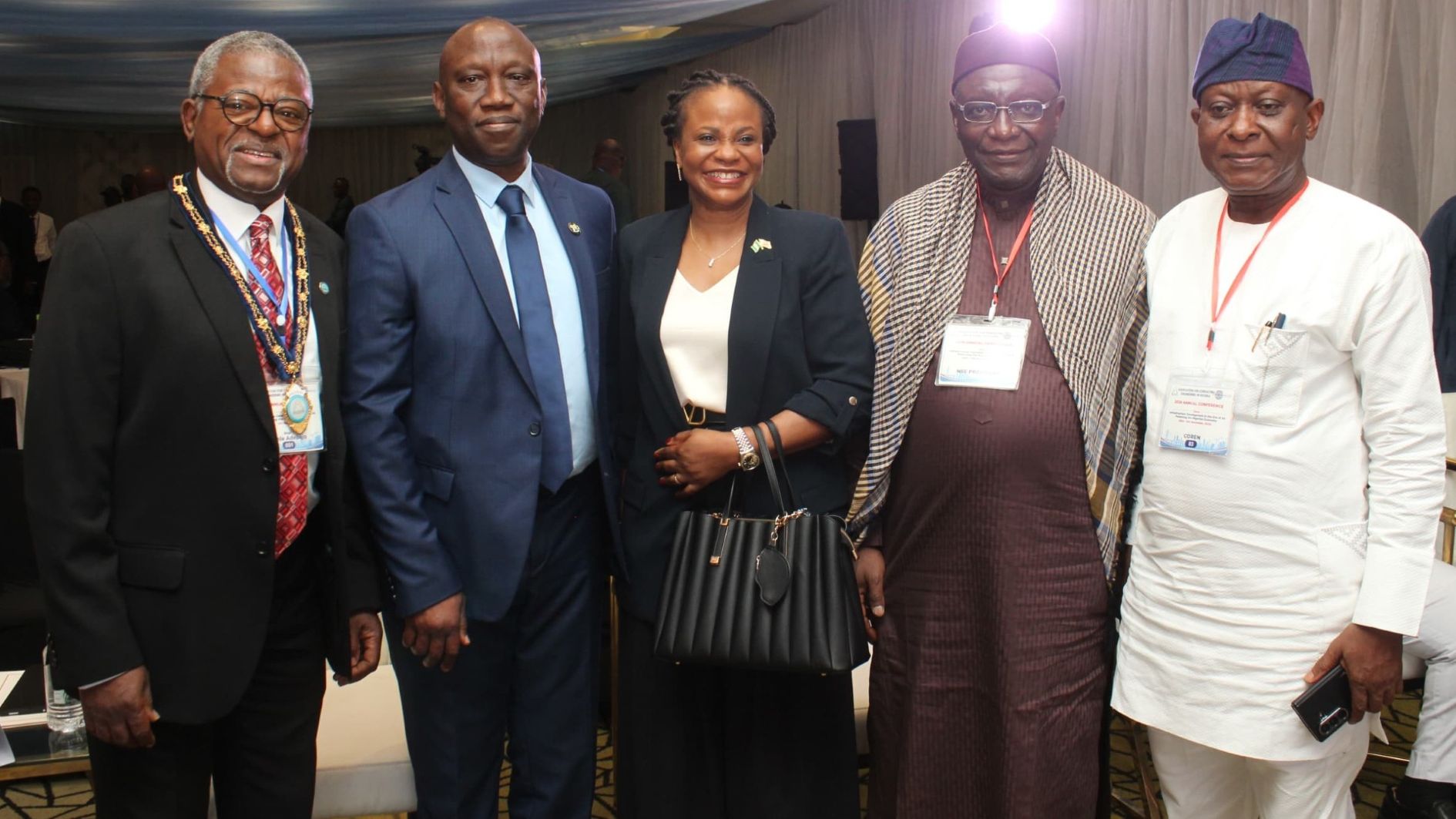
The President of COREN, Prof. Sadiq Abubakar, disclosed this at the 48th Annual Conference and Annual General Meeting of the Association of Consulting Engineering in Nigeria (ACEN) in Lagos.
Represented by COREN Vice President and Managing Director of Kenol Nigeria Limited, Olu Ogunduyile, Abubakar said the proposed framework would cover engineers, technologists, technicians and craftsmen.
He said the initiative, discussed at the council’s recent assembly, would ensure that engineering competence receives appropriate recognition, strengthen professional standards and improve public safety.
The framework would bring together COREN, ACEN and four engineering associations: the Nigerian Society of Engineers (NSE), Nigerian Association of Technologists in Engineering (NATE), Nigerian Institution of Safety Engineers (NISET) and Nigerian Association of Engineering Craftsmen.
Abubakar said stakeholders would have further opportunities to contribute before the document was submitted to the council for consideration and gazetting. He urged engineers to participate in the process, stressing that every cadre deserved recognition for its contribution to engineering practice.
He also challenged professionals to adopt artificial intelligence (AI) while maintaining ethical standards and accountability for public safety.
According to him, AI could improve engineering design, digital twins, predictive maintenance, power networks and project delivery but could not replace professional judgment. “Algorithms may support decisions, but they cannot replace sound engineering judgment, ethical conduct, or accountability for public safety. Innovation without integrity is not progress,” he said.
Abubakar identified continuous professional development, professional standards and durable infrastructure as priorities for engineers responding to technological changes. He urged ACEN members to strengthen collaboration with COREN, universities, industry and technology innovators to develop local engineering solutions and reduce dependence on imported technologies.
He also called on engineers to mentor younger professionals, uphold ethical standards and ensure that infrastructure projects serve public needs. “History will not remember us for the conferences we attend or the technologies we admire. It will remember us for the lives we protected, the problems we solved, and the nation we helped to build,” he said.
Also speaking, the President of the Nigerian Society of Engineers, Ali Rabiu, urged consulting engineers and built-environment professionals to apply artificial intelligence to infrastructure design and delivery.
Rabiu said Nigeria’s industrial growth depended on reliable infrastructure and called for greater use of technology to improve productivity and construction efficiency. He advocated an integrated approach to infrastructure delivery, covering planning, engineering design, financing, construction, supervision, operation and maintenance.
He also urged engineers to patronise local manufacturers and support domestic production of engineering materials and equipment.