 Follow Us on Google News
 Follow Us on Google Discover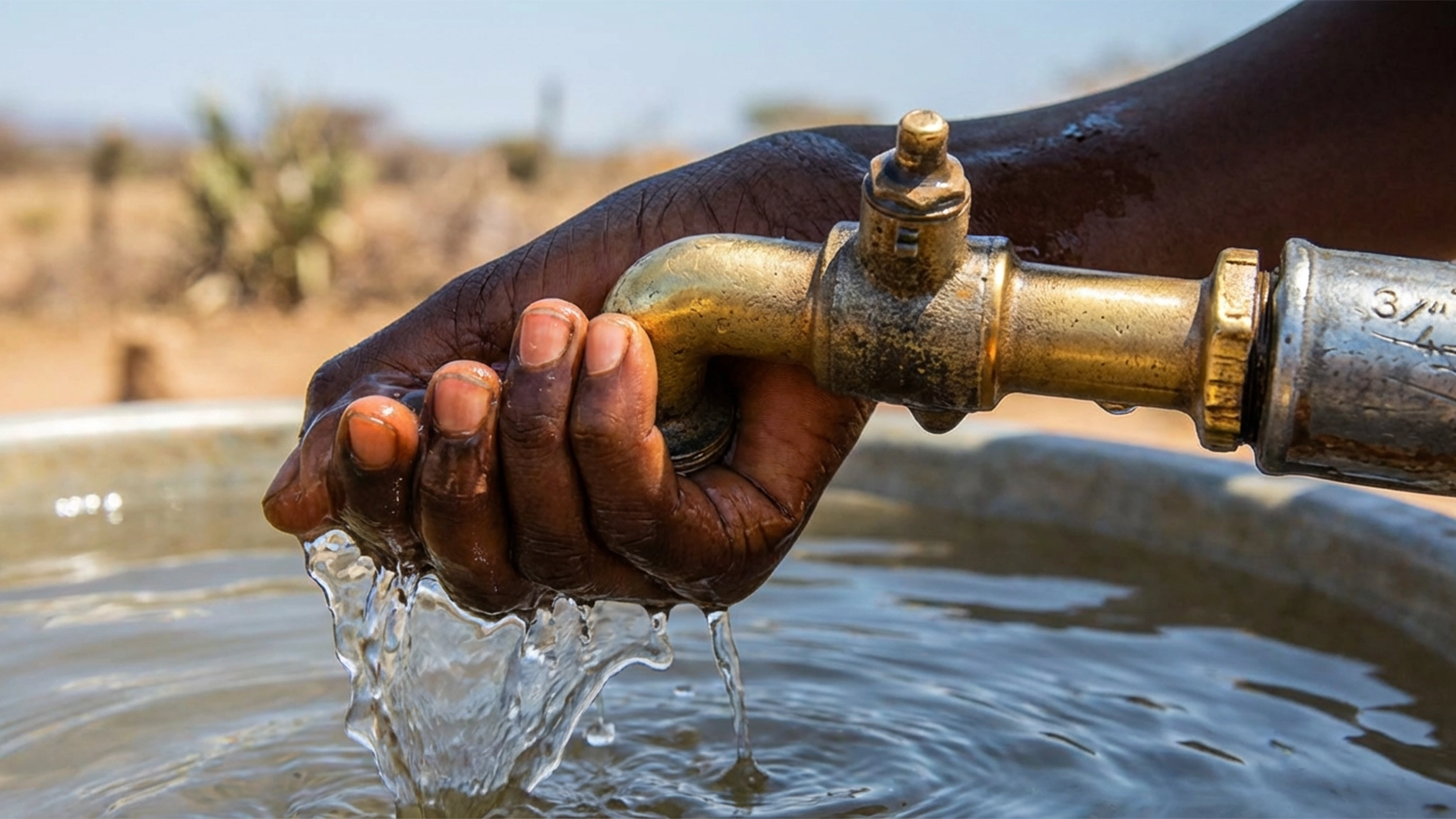
By Olatunji Idowu
Water stress is becoming harder to ignore, whether you are living in Idumota, Lagos or Houston, Texas. In some places, it appears as drought, rising demand, failing infrastructure, and growing pressure on public systems. In others, it is experienced through unreliable access, overdependence on groundwater, weak water planning, and chronic supply insecurity.
The contexts may differ, but the lesson is increasingly the same: water crises do not begin only when taps run dry or reservoirs shrink. More often, they begin much earlier: quietly, invisibly, and beneath the surface.
That is what makes many water challenges so difficult to manage. By the time a crisis becomes visible, the underlying system failure is often already advanced.
In Texas, years of drought pressure, population growth, ageing infrastructure, and intensifying climate stress have forced a deeper reckoning with long-term water security. State leaders and planners have had to confront a difficult reality: managing water in the future will require more than expanding supply. It will require a better understanding of where water exists, how it is being depleted, how systems are interconnected, and where risk is building before it becomes visible.
Nigeria presents a different but equally urgent dimension of the same challenge. In many parts of the country, communities rely heavily on boreholes and groundwater without sufficient long-term planning around recharge, contamination, structural conditions, or sustainability. In urban and peri-urban areas especially, water access is often approached as an immediate need to be solved, rather than as part of a deeper environmental and infrastructure system that must be understood and managed over time.

These are not isolated problems. They point to a broader truth: much of the world still manages water too reactively.
Public discussion around water often focuses on what people can see: surface supply, drought severity, flood events, broken pipelines, or household access. Those issues matter, but they are often symptoms rather than starting points. The real vulnerabilities are frequently buried in the hidden conditions that shape how water is stored, moves, becomes contaminated, or quietly declines over time.
This is why the future of water management cannot be built on visibility alone.
It must be built on intelligence.
Groundwater remains one of the most important but least strategically understood components of water security, particularly in regions where public systems are inconsistent or under pressure. Yet it is often treated as a backup source to be tapped, rather than a critical system requiring careful interpretation, monitoring, and stewardship. That is a costly mistake.
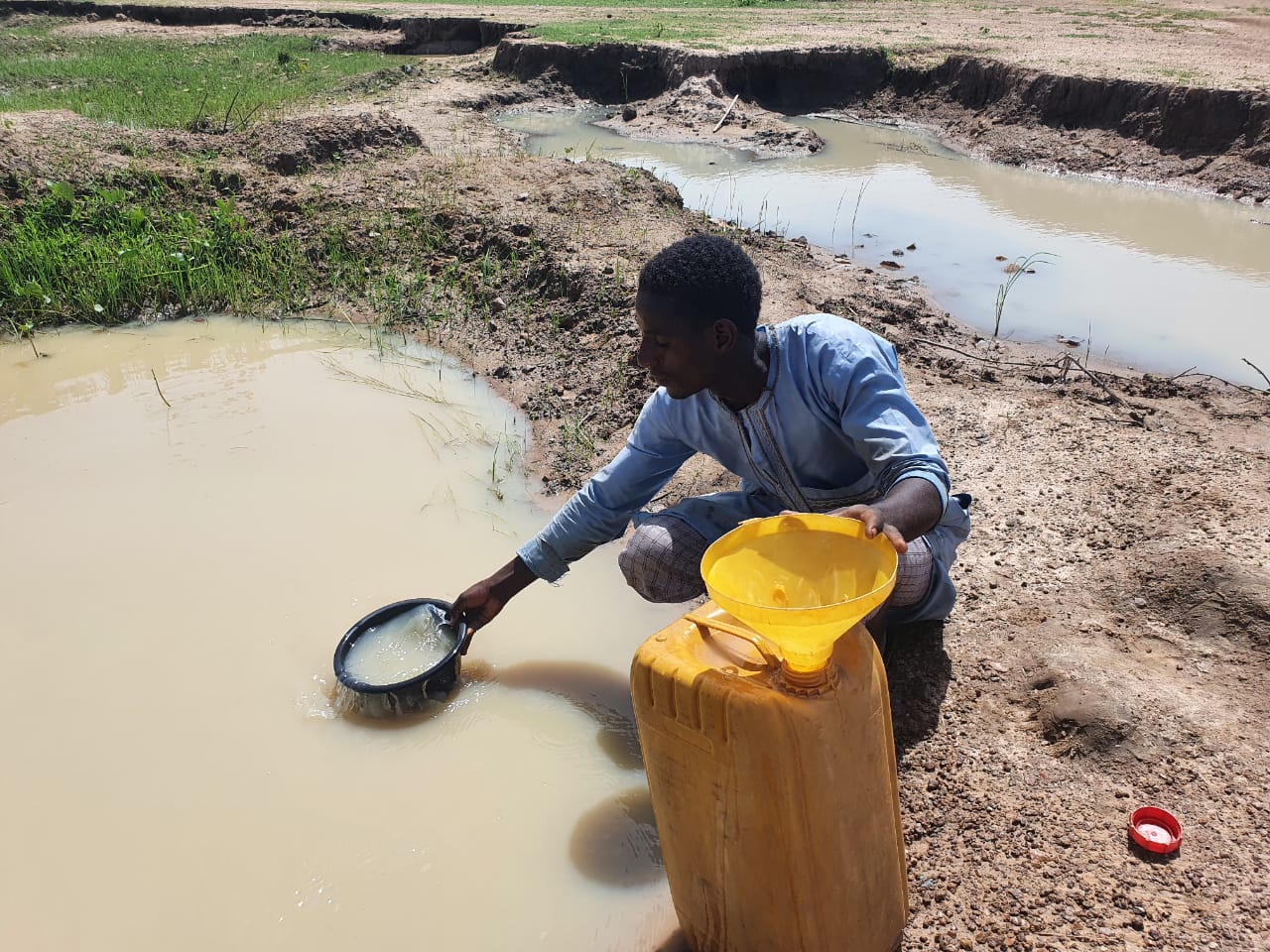
When water systems are poorly understood beneath the surface, the consequences extend beyond supply. They affect agriculture, settlement planning, public health, infrastructure durability, and economic resilience. Weak subsurface understanding can contribute to over-extraction, poor siting decisions, avoidable contamination, structural damage, and inefficient investment. In other words, the absence of hidden system intelligence can quietly multiply visible public problems.
This is especially important in a century that will be defined not only by climate stress, but by the quality of planning that surrounds it.
A more resilient approach to water management requires moving away from emergency-driven thinking and toward anticipatory systems. That means investing earlier in the tools, data, and interpretive capacity needed to understand underground water behaviour, identify vulnerabilities before they escalate, and make better long-range decisions about land use, infrastructure, and supply resilience.
In practical terms, this means treating water not simply as a utility issue, but as a strategic planning issue.
It means asking harder questions before crisis conditions emerge:
- Where is pressure building within the system?
- Which communities are relying on fragile or poorly understood water sources?
- What environmental or structural conditions are being ignored because they are not immediately visible?
- And how much of today’s “unexpected” water stress is actually the result of yesterday’s planning blind spots?
These are not abstract concerns. They are increasingly central to how societies will manage urban growth, food systems, industrial expansion, public health, and environmental stability in the decades ahead.
For both advanced and developing economies, the challenge is no longer simply how to respond to water scarcity when it becomes obvious. The challenge is whether institutions are prepared to understand water risk before it becomes disruptive.
That is the difference between resilience and reaction.
And that is why the most important conversations about water should no longer begin only with what is visible at the surface. They must also include the hidden systems beneath it: the ones that determine whether communities remain secure, whether infrastructure remains stable, and whether future demand can be met without deepening environmental and economic vulnerability.
Texas and Nigeria may sit in very different policy and development contexts, but they reveal the same uncomfortable truth: water insecurity often grows in silence before it announces itself in crisis.
If we are serious about securing our water future, then we must become equally serious about understanding what lies beneath it.
Because in the end, the most dangerous water risks are not always the ones we can already see. They are often the ones we failed to understand in time.
Olatunji Idowu is an exploration geophysicist and data analytics professional with experience applying advanced geophysical methods to complex subsurface evaluation and resource-management challenges. He holds a Bachelor of Technology in Applied Geophysics complemented by an MBA in Data Analytics from Texas A&M University. His background includes seismic data processing and interpretation, rock physics, subsurface imaging, basin assessment, and geophysical modelling.

