 Follow Us on Google News


 Follow Us on Google Discover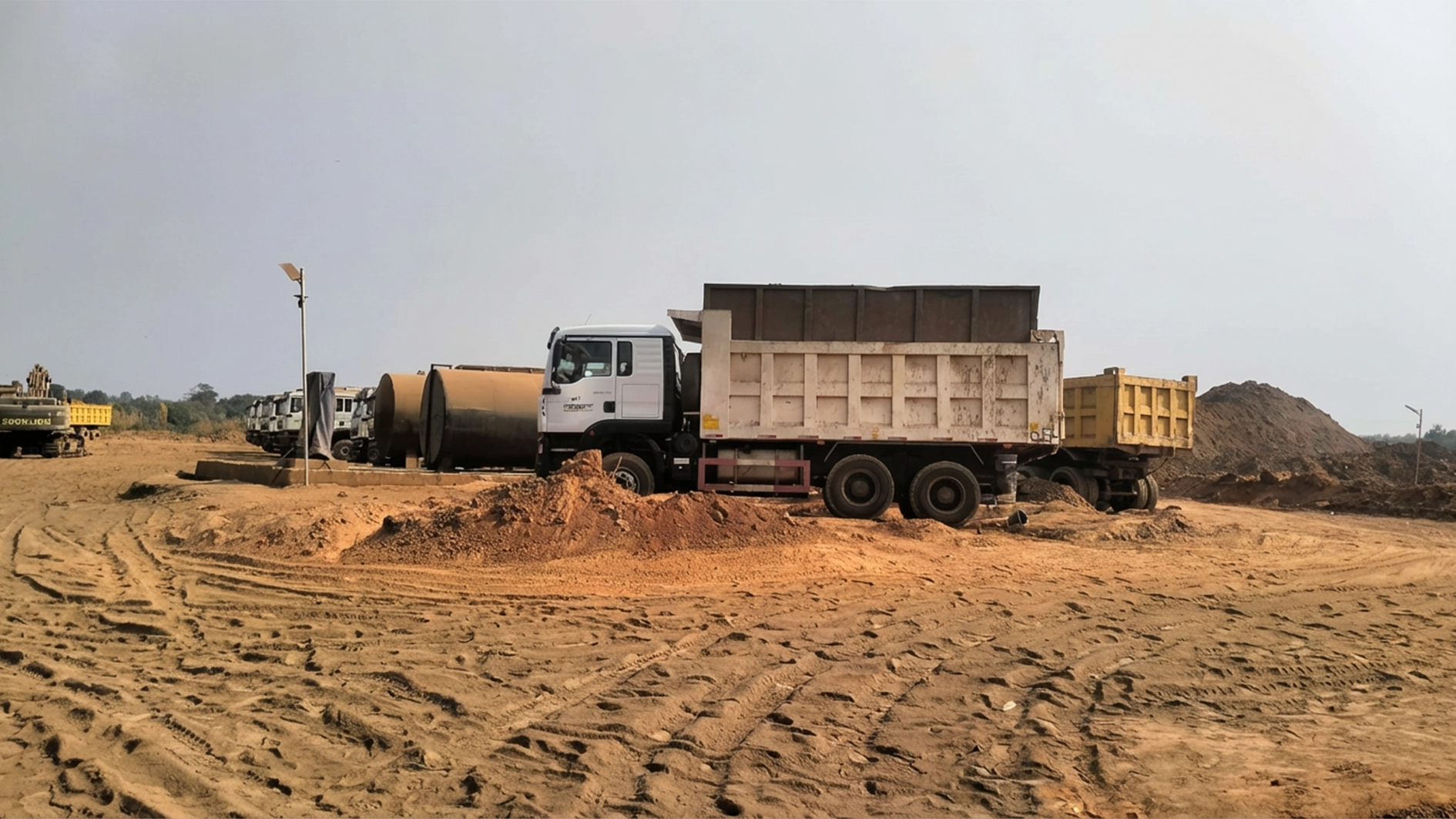
A Non-governmental organisation, Bincike International, has urged the Federal Government to revoke all illegally issued mining permits within protected reserves, prosecute syndicates, hold corporate facilitators accountable, and mandate comprehensive land remediation.
The organisation warned that unregulated mining activities are permanently destroying agricultural land, contaminating local water sources, and stripping rural communities of their traditional livelihoods. It also called for urgent action to address what it described as the systemic plunder of Nigeria’s mineral resources, environmental destruction, and human rights abuses driven by illegal mining operations.
Executive Director of Bincike International, Dr Elisha Bello, said illicit mining corridors operate in complete disregard of fundamental human rights, exposing labourers to life-threatening conditions without adequate safety equipment, exploiting child labour and fuelling insecurity, as well as armed conflict in rural communities.
“Human dignity is systematically traded for cheap ore and illicit networks profit,” Bello said.
He noted that although Nigeria possesses vast deposits of critical minerals essential for the global energy transition, an unregulated shadow economy continues to siphon off the country’s natural wealth.
“This illicit trade deprives both the federal and state governments of vital revenues, devastates fragile ecosystems, and subjects vulnerable citizens in host communities to severe exploitation,” he said.

According to Bello, the impact extends beyond revenue losses to the irreversible degradation of Nigeria’s protected areas and biodiversity reserves.
He alleged that illegal mining operations have encroached on ecologically sensitive areas, including Cross River National Park, Gashaka Gumti National Park, the country’s largest national park and several other protected conservation sites.
He explained that illegal mining cartels, in some cases, operate under improperly issued or fraudulently acquired licences and carry out strip mining in protected landscapes in violation of the Nigerian Minerals and Mining Act, 2007, and the National Park Service Act, 2006.
These activities, he said, threaten globally significant ecosystems and endanger critically vulnerable species such as the Cross River gorilla, forest elephants, and chimpanzees, while accelerating deforestation, soil erosion, and heavy metal contamination of major river systems.
Bello further highlighted the commercial value of Nigeria’s mineral deposits, particularly lithium. “To fully grasp the magnitude of what Nigeria is losing, one must look at global geological benchmarks. Worldwide, a hard-rock lithium deposit containing just 0.4 per cent lithium oxide is considered commercially viable, with most international deposits averaging between one and two per cent.
“Nigeria, however, sits on a remarkable global anomaly. Deposits in Nasarawa State average an extraordinary 3.5 per cent lithium oxide, with peak samples testing as high as 13 per cent.
“Yet, while state governments are working to establish local processing infrastructure to retain value within the country, organised illegal cartels continue to strip-mine these deposits and bypass legal channels. Billions of dollars’ worth of high-grade critical minerals are smuggled across borders annually, generating no tax revenue or royalties for the public treasury or host communities.”
To address what it described as a national emergency, Bincike International called for coordinated intervention at all levels of government. The organisation urged authorities to strengthen transparency in the mining sector through independent audits and public tracking of mineral extraction to ensure royalties are properly remitted into public coffers.
It also advocated stricter enforcement of environmental and human rights protections to eliminate child labour, safeguard park rangers, and dismantle the links between illegal mining, deforestation, and rural insecurity.
The group further recommended formally recognising host communities as legal stakeholders and co-guardians of protected lands to enhance conservation efforts. Bello also called for greater protection for park rangers, many of whom face escalating violence from armed illegal mining syndicates.
“Nigeria’s mineral wealth belongs to its people and its future. It must no longer be allowed to enrich illegal networks at the expense of our national parks, environment, economy, and human lives.
“Citizens, civil society organisations, government agencies, and international partners must join this advocacy campaign, demand stronger policy enforcement, and actively participate in safeguarding the nation’s natural resources and protected heritage,” he added.

