 Follow Us on Google News



 Follow Us on Google Discover
For years, the customer has been losing. Lekki Gardens is trying to change the verdict.
Buying a home is supposed to be one of the biggest achievements of a person’s life. For many Nigerians, it is also one of the biggest financial risks they will ever take.
You commit your savings. You trust a developer’s promises. You wait for the building to rise, the keys to arrive, and the day you can finally call the property your own.
But what happens when the person paying for the house has less power than the person selling it?
That is the question Nigerian real estate cannot afford to ignore.
Dr. Richard Nyong, founder and CEO of Lekki Gardens, understands the problem from personal experience. Before he began building homes for other people, he was trying to buy property himself.

Seven times, he invested. Seven times, he was defrauded. For some people, that experience might have been enough to walk away from the industry. Nyong came to a different conclusion.
“If someone whose full-time work is real estate can be deceived seven times, the ordinary person bringing their life savings to this sector will be deceived a hundred times over,” he recalls.
He decided the ordinary buyer needed a fighting chance. That conviction became the foundation of Lekki Gardens.
It is an ambitious position to take in a business where the transaction is rarely small, and the consequences of getting it wrong can follow a buyer for years. A home is not an ordinary purchase. It is where families build their lives, where savings become an asset and where a decision made today can shape the future of an entire household.
The price must be fair. The quality must justify the money. And the buyer must receive what was promised.
Nyong has said it the same way for years: “A housing purchase is the single largest financial decision most people will ever make. It has to be fair, and the customer must never get the wrong end of it. ”
It is a simple standard. Simple does not always mean easy.
Lekki Gardens says its answer has been to combine quality with accessibility, through transparent pricing and homes buyers can genuinely afford. Its promise, “Luxury you can afford,” challenges the idea that a quality home in a desirable location must stay out of reach for ordinary Nigerians. Since it was established more than a decade ago, the company has delivered thousands of homes across Lagos, Ogun, Rivers and the Federal Capital Territory.
But the bigger question is not how many homes a developer can sell. It is whether the people buying them can trust the process.
That is where the relationship between developer and customer has to change. A buyer should not have to become an investigator to find out whether a promise will be kept. Nor should the success of a transaction rest entirely on the person who knows least about how the industry works.
For Nyong, the customer cannot be an afterthought.
“You cannot manage perception, and we don’t try,” he says. “What you do is allow people to look at you for what you are and for what you have done and let them decide what they believe you are worth. ”
It is a philosophy that puts the burden of proof on the company. Lekki Gardens has now taken that burden somewhere very few developers are willing to go: onto itself, before the buyer has even finished paying.
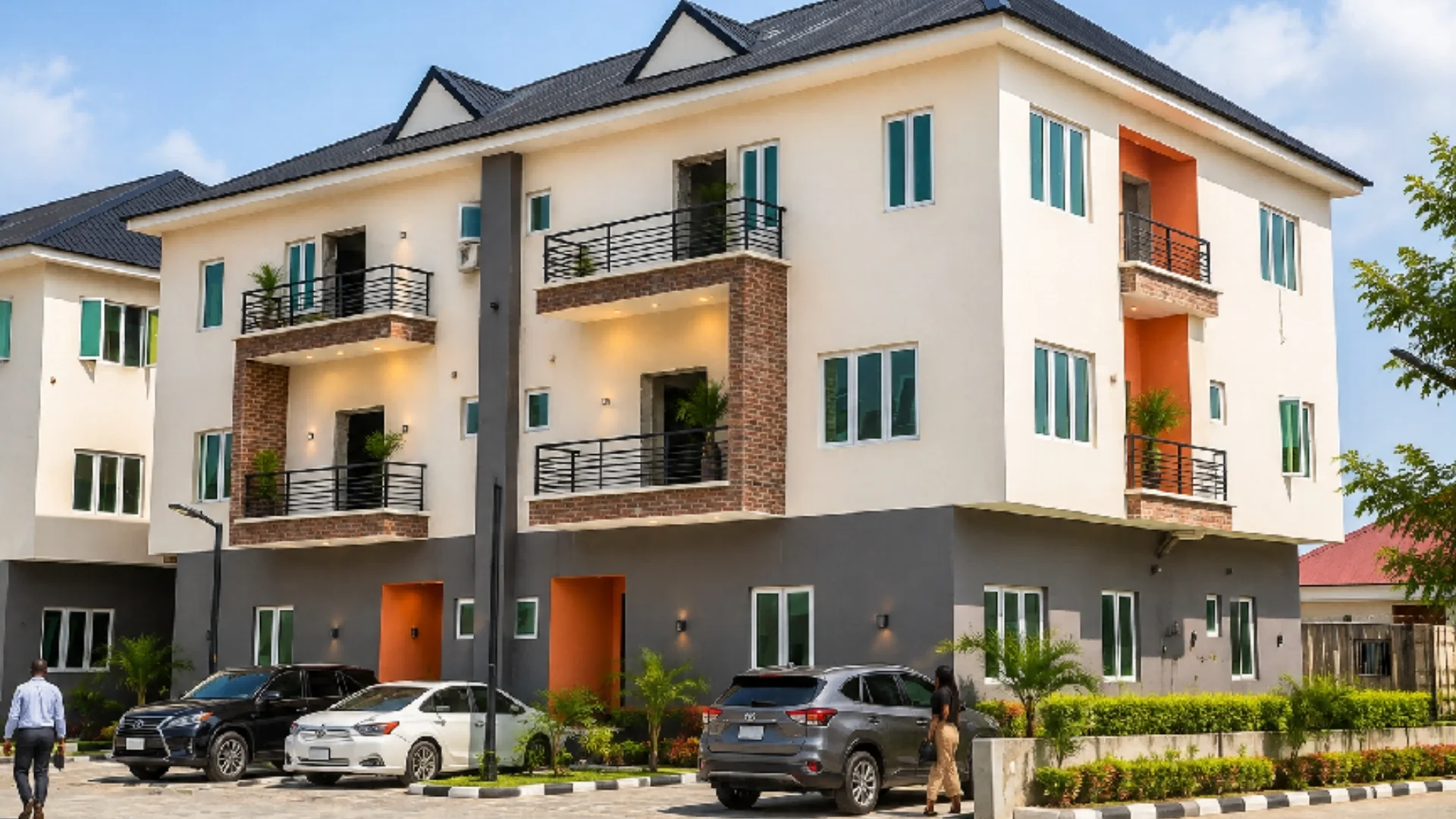
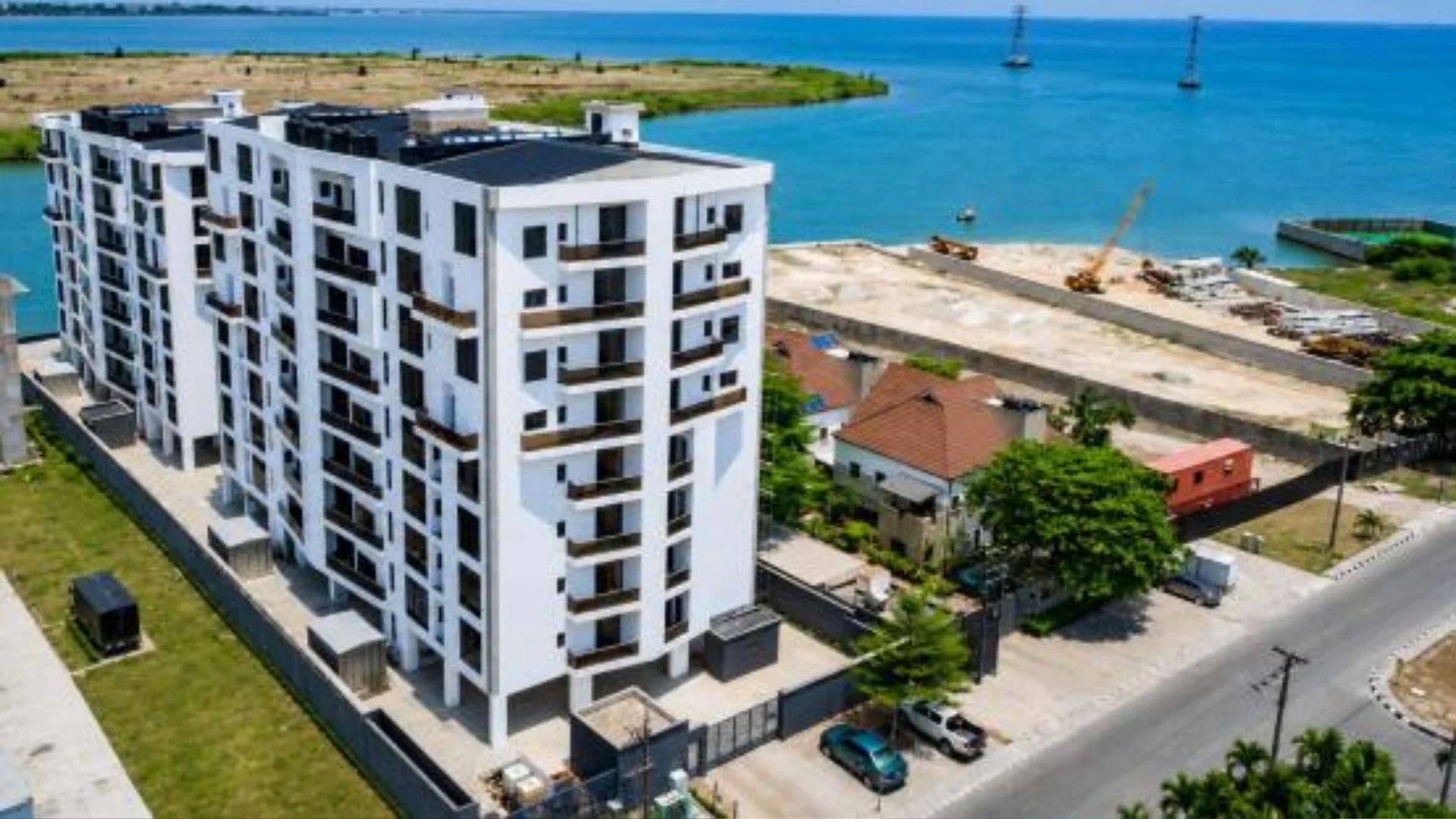
Under its new move-in-now plan, buyers pay about half the value of a completed home, collect the keys within days, and pay the balance while already living there. These are not drawings or foundations. They are finished homes in places people already want to live: Villas De Paradis in Abuja, and in Lagos, Horizon Estates in Oniru, Meridian Luxury Park in Ajah and Paradise Court on the Chevron corridor.
Think about what that does to the balance of power. In the usual off-plan arrangement, the developer holds the buyer’s money long before the buyer has anything to show for it. Here, the family holds the keys while the developer is still waiting to be paid. The risk that has always sat with the customer has moved to the company.
That is what it looks like when a developer backs its promises with its own risk.
Real estate does not have to be a contest in which the developer wins, and the buyer hopes for the best. A good transaction should leave both sides with something of value. The developer earns a customer; the customer receives a home worthy of the money invested.

And when a buyer commits the largest share of their savings to a property, fairness is not an extra. It is the minimum.
Nyong believes the market is starting to understand this. “If the customer does not choose you, you do not get paid,” he says.
Perhaps that is the change the industry needs most. Not another promise. Not another billboard. Not another claim that a developer is different.
A market where the buyer’s money is treated with the seriousness it deserves, where promises carry weight and where the customer does not have to lose for the developer to win.
Because if real estate has a customer problem, the answer cannot be to ask customers to trust more blindly. It must be to give them more reasons to trust.

