 Follow Us on Google News


 Follow Us on Google Discover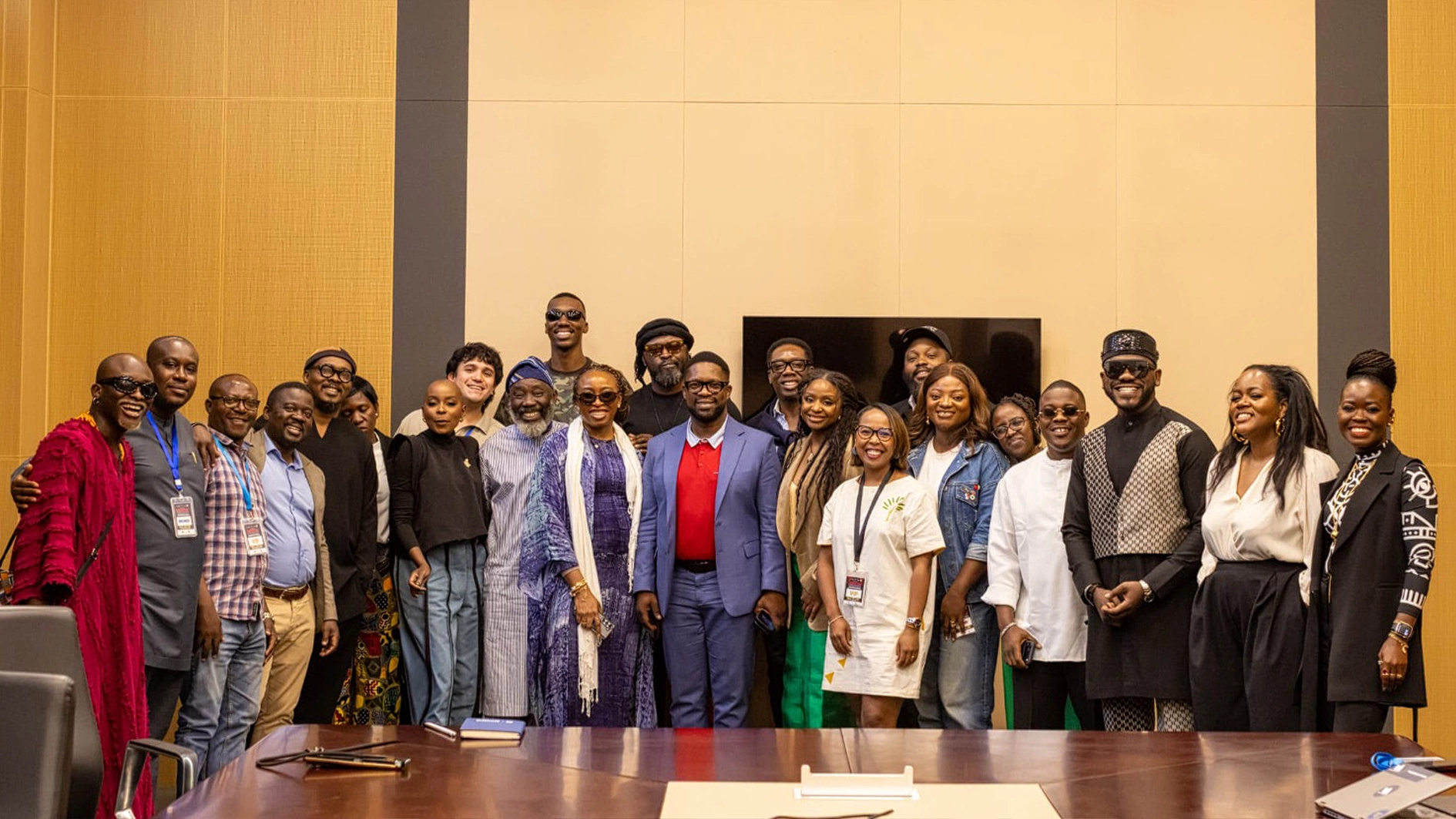
The 2026 Africa Creative Market (ACM) is a testament to the fact that Africa is not deterred in its determination to build a globally competitive economy as thousands of delegates from around the continent gathered in Lusaka, Zambia, to advance Africa’s creative and cultural industries.
Africans are clearly not oblivious of the fact that the continent possesses extraordinary creative talent, but sustained investment, enabling policies, stronger institutions and deeper collaboration will determine the future of the continent’s creative economy.
This was the preoccupation of the six days event, which was in collaboration with the Creative Industries Business Summit Zambia (CIBSZ) and the Kwimbo National Arts Festival.
Bringing together participants from Zambia, Nigeria, South Africa, Zimbabwe, Ghana, Cameroon, Senegal and several other African countries, the gathering united government officials, policymakers, investors, development partners, entrepreneurs, creative, and industry leaders in one of the continent’s most comprehensive platforms.
Delegates participated in a rich programme of specialised summits, conferences, exhibitions, film screenings, awards, business forums, networking sessions and cultural showcases, all centred on a common objective: unlocking the full economic potential of Africa’s creative industries through stronger institutions, strategic investment, innovation and cross-border collaboration.
Founder of ACM, Dr. Inya Lawal, described Zambia as the ideal host for this year’s gathering, pointing to the country’s growing commitment to the creative economy.

Representing the Government of Zambia, Permanent Secretary, Ministry of Youth, Sport and Arts, Mr. Kangwa Chileshe, underscored the importance of creating enabling systems that allow creative talent to flourish. “Talent alone is not enough. We must build the structures that allow talent to thrive.”
Investment and enterprise development emerged as major priorities during the Creative Capital Forum, where policymakers, financial institutions, entrepreneurs and ecosystem builders explored practical pathways to financing creative businesses and accelerating economic growth. Discussions highlighted the importance of expanding access to capital, strengthening entrepreneurial capacity, embracing technology and creating long-term support systems capable of transforming creative ventures into globally competitive enterprises.
The conversation extended into policy and legal reform through the Global Creative Legal Summit, where legal practitioners, policymakers and industry stakeholders examined intellectual property protection, collective rights management, cross-border licensing, artificial intelligence and opportunities presented by the African Continental Free Trade Area (AfCFTA).
The summit also witnessed the unveiling of the African Creative Economy Lawyer (ACEL) initiative and the Entertainment & Creative Law Hub (ECLH), reinforcing efforts to strengthen the legal infrastructure supporting Africa’s creative industries.
The event also featured Creative Technology Summit, where industry leaders explored how animation, immersive technologies, artificial intelligence and digital innovation are reshaping storytelling and expanding opportunities for African creators within the global digital economy.
Across the visual arts, fashion, photography, film, theatre and music sectors, participants repeatedly returned to a common message that ‘Africa’s cultural assets represent not only artistic excellence but also significant economic opportunity.
The Art, Craft, Commerce Summit explored how African visual arts can preserve cultural identity while embracing innovation and ethical creative practice. The Business of Photography Summit examined branding, commercial growth, storytelling and intellectual property, while the Women in Film and TV Africa Conference, Actor Spaces Summit,
Theatre and Dance Session, Kingdom Film Festival and Distribution Summit brought together filmmakers, performers, producers and industry executives to address financing, leadership, talent development, audience access and the future of African storytelling.
One of the highlights of the event was the Zambian premiere of the feature film 77, drawing acclaimed actors, filmmakers, government officials, media professionals and cinema enthusiasts in a celebration of African storytelling and demonstrating the increasing momentum behind cross-border collaboration within the continent’s film industry.
also occupied a prominent place within the programme through the FashionEVO Summit and the FashionEVO Fashion Show & Awards, where designers, manufacturers, investors, policymakers and fashion entrepreneurs examined opportunities in sustainable production, manufacturing, exports, innovation and investment, while showcasing the creativity, craftsmanship and commercial potential of contemporary African fashion before regional and international audiences.
The event also celebrated excellence across the creative industries through the National Association of Media Arts (NAMA) Awards and Gala and the Women in Film & TV Africa Gala & Awards.
ACM 2026 also prioritised conversations around wellbeing through The Activated Creative, which encouraged participants to rethink success beyond productivity by addressing burnout, mental wellbeing, resilience and sustainable creative careers.
Beyond the conference halls, the Kwimbo National Arts Festival transformed Lusaka into a vibrant celebration of African culture, welcoming families, visitors, artists, artisans and entrepreneurs through music, dance, fashion, exhibitions and cultural performances that celebrated Zambia’s rich heritage while expanding public engagement with the creative economy.

