 Follow Us on Google News
 Follow Us on Google Discover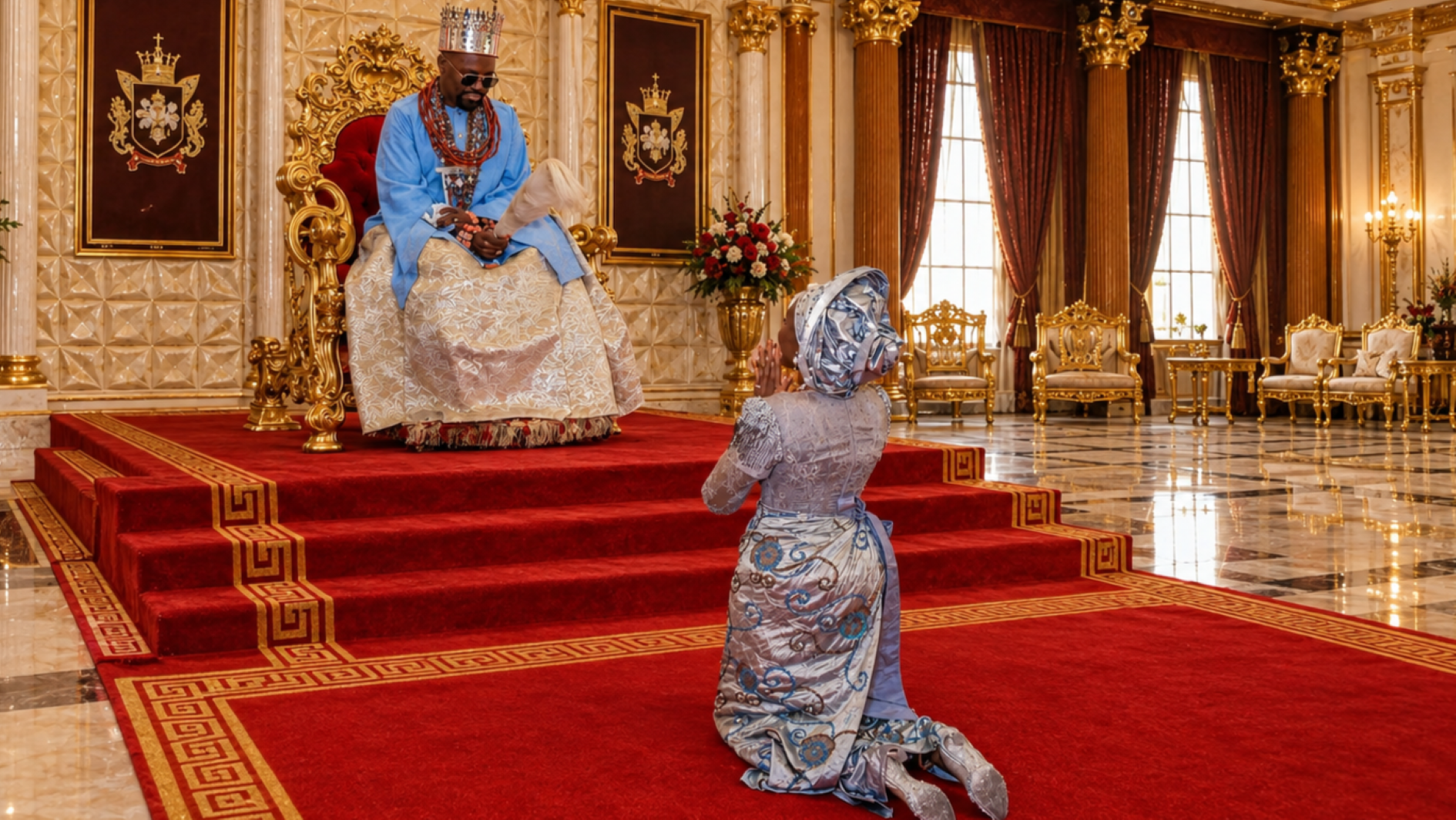
This is Nigeria and respect is a way of life – a big part of the people’s culture and there is no such thing as unlearning to relearn respect in this part of the world.
Respect has long been one of the social values through which Nigerians are taught to relate to one another. Respect is the way we were, how we are and how we will always be, a people deeply rooted in the culture of respect.
In Nigeria, respect is taught long before a child fully understands what the word means. It is in the greetings before conversation begins. It is in the title placed before an elder’s name, in the bowing of heads, in the act of prostration and kneeling to greet elders. It is in the instruction to listen when an older person is speaking, in the welcoming of visitors, to offer assistance when needed and to understand that age, experience and position come with a certain level of honour and regard.
For generations, these lessons have been woven into family life and passed from one generation to another. The exact expressions may differ across Nigeria’s diverse communities and traditions, but the underlying principle is familiar: elders are to be honoured, younger people are expected to be humble, and social relationships are guided by an awareness of age and seniority.
The Testing Generation
Over the years, the culture of respect is naturally and effortlessly imbibed by Nigerians from generation to generation, anything otherwise is perceived uncouth until what Elder Ajetunmobi Olarenwaju, aged 65, tagged as the ‘testing generation Z’. According to him, the Gen Z as they are popularly called has been relentless about undoing everything in the world. “They want to undo their gender, they want to undo their memory, they want to undo respect, and if possible they would wake up one morning and decide to undo how they breathe and their whole existence. This is why if we are not careful, this testing generation will undo everything that makes us who we are as a people,” Olanrewaju said.
A Generation Growing in a rapidly changing society
F or many young Nigerians, respect remains important, but the conditions attached to it are changing. They are increasingly questioning whether age should automatically command obedience, whether disagreement should be interpreted as disrespect, and whether cultural practices that once demonstrated honour can still be imposed without consideration for the younger person.
Organic Concept of Respect In Nigeria
In Nigeria, a younger person is often expected to greet an older person first. Elders are addressed with titles that acknowledge their position or relationship to the younger person. Children are taught to listen when adults speak, to avoid speaking harshly to older people and to offer assistance to those considered senior to them.
In many families, these expectations are not explained as matters open to negotiation. They are simply part of upbringing. To disregard them can therefore be interpreted as more than poor manners. It can be viewed as evidence of a decline in discipline, home training and cultural values.
Is Respect Lost Or Being Redefined?
The ultimate question remains whether young Nigerians are getting rid of the culture of respect especially for elders or simply redefining the concept?
Ifeoluwa Badejo, aged 25 thinks it’s simply redefining. He said: “Here is the thing: the world is at a rapid pace and people are paying more attention to more important developmental situations around the world where kneeling or prostrating to greet elders no longer fit into the scenery. A lot of young people do not have the time or the patience to deal with long routines of accolades in the name of respect. This doesn’t necessarily mean they do not have respect, they do but it is simply expressed in admiration which is far from the regulars.”
For Faith Omonobi, respect cannot be reduced to age. “Respect should be reciprocal. Being older does not automatically make someone more deserving of respect than a younger person. Every human being deserves respect, young and old. An older person may deserve recognition because of their experience and position, but age alone should not become a permanent exemption from accountability.”
Respect Vs Fear
For Chinedo Obiora, aged 24, he thinks that sometimes respect feels like fear. “An older person misbehaves and you can’t express how you feel or call them to order because you don’t want to be labelled rude or disrespectful. What the older generation call respect is actually fear. Younger people are sometimes expected to demonstrate deference simply because another person is older, regardless of how that person behaves towards them. This is why the younger generations in Nigerians are increasingly becoming unwilling to accept a model of respect that requires them to disregard point of view. Sometimes the traditional definition of respect feels like fear, force and slavery.”
Clearly, Obiora thinks being respectful should not mean being helpless. It should not mean accepting insults because the person delivering them is older. It should not mean agreeing with an elder simply because disagreement could attract the accusation of disrespect and it should not mean abandoning personal boundaries to satisfy someone else’s expectations. “We are not abandoning or rejecting the value of respect. I only say it should be expressed in ways that are worthy of it.”
The Shift
One of the most significant changes in the conversation is that younger Nigerians are no longer asking only what they owe older people. They are asking what older people owe them and this is a major shift.
Yusuf Daudu, age 30 said: “The shift does not mean young Nigerians have suddenly become indifferent to elders. Many still care deeply about their parents and grandparents. They still celebrate cultural festivals, participate in family traditions and use familiar titles for older people. What is changing is the willingness to accept certain practices without questioning them. My generation wants to know why we must kneel to greet elders. Why must I obey without complaining? Why can’t I disagree when I am not convinced? Why can’t I call you by your name just because you’re older? Why does being older automatically make you right? Why can’t a child obey a parent without losing the ability to question?

“A young employee can respect a superior without accepting humiliation. An elder can demand good manners while still acknowledging that younger people deserve dignity. The culture of respect, therefore, does not have to disappear for its expression to change.
“This is where Nigerian culture of respect is experiencing its most significant shift as the younger generation is not necessarily throwing away old values. It is testing them. It is asking which ones still serve society and which ones have become expressions of hierarchy without the substance of respect,” Daudu noted.
Where the Culture Of Respect Stands
Respect remains a culture in Nigeria that may never be allowed to be unlearned. From the way children are taught to greet older people to how workers relate with their bosses, age, position and social status often shape how people are expected to behave towards one another.
While the values of respect, courtesy and humility remain important, changing social attitudes show what respect means today and whether it should be demanded based on age or position.
For many Nigerians, the first lessons about respect begin at home. Children are taught to greet their elders, use appropriate titles when addressing older people and listen when adults are speaking.
In many homes, failure to greet an older person is considered rude and can attract a reprimand from parents or other adults.
These lessons often continue into adulthood, influencing how people interact with relatives, neighbours, colleagues and strangers.
More importantly age and status remains one of the strongest measures of respect in a typical Nigeria society. Younger people are generally expected to defer to older people, regardless of their social or professional standing.
Social status also plays a role. People in positions of authority, wealth or influence are often treated with greater deference, while titles such as “sir”, “ma”, “oga” and “madam” are commonly used to show courtesy.
However, this can sometimes create a situation where respect is associated more with status than character.
Workplace Culture
The workplace is one of the places where Nigeria’s traditional understanding of respect is particularly visible.
Employees are expected to respect their superiors and follow established lines of authority. In some workplaces, however, this expectation can make younger or junior employees reluctant to question decisions, offer alternative views or point out mistakes.
A healthy workplace however allows employees to disagree professionally without being labelled disrespectful. At the same time, senior employees are expected to correct and guide their subordinates without humiliating them.
Respect, therefore, should work both ways. It should not prevent communication, accountability or the exchange of ideas. People can hold different opinions while remaining courteous. The manner in which an opinion is expressed often matters as much as the disagreement itself.

