 Follow Us on Google News


 Follow Us on Google Discover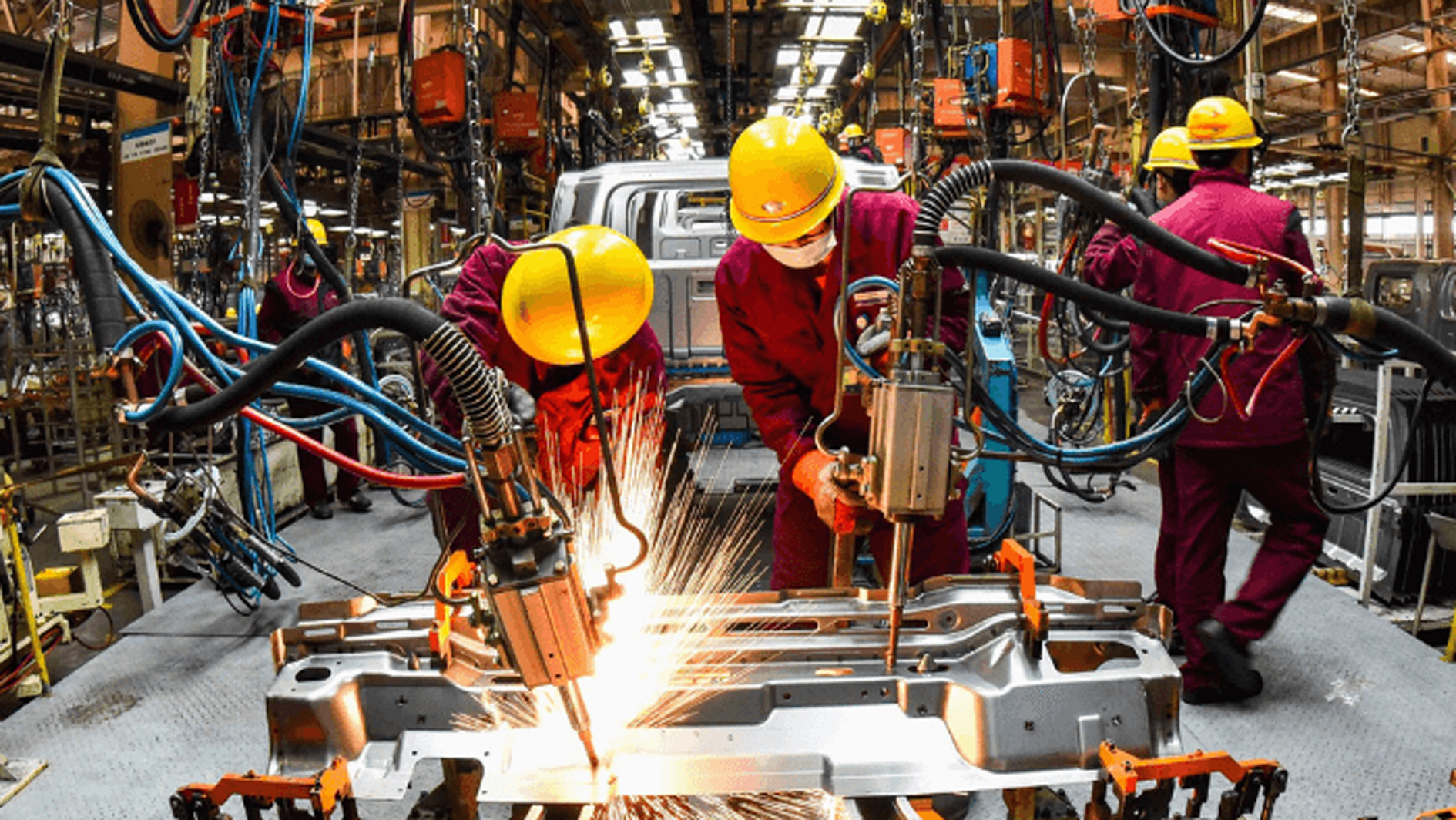
Nigeria’s automotive industry is seeking stronger policy support, improved access to vehicle financing and measures to protect local manufacturers as the Federal Government pushes to deepen domestic production and reduce dependence on imported vehicles.
The issues featured prominently during the week when the Senate Committee on Industry toured the facilities of automotive and industrial in Kano and Kaduna states.
The lawmakers and the National Automotive Design and Development Council (NADDC) examined the capacity of local facilities to support manufacturing, technical skills development and the country’s clean mobility transition.
The exercise comes amid renewed attention to the implementation of Nigeria’s automotive policy, the protection of domestic investments and the need to create a more sustainable market for locally assembled vehicles.
A major concern raised during the exercise was the continued importation of foreign-used vehicles and tricycles, which lawmakers said could be produced locally, potentially limiting opportunities for domestic manufacturers and the development of supporting industries.
Chairman of the Senate Committee on Industry, Francis Adenigba Fadahunsi, said the government needed policies that would encourage local production and create stronger demand for vehicles manufactured in Nigeria.

He also stressed the importance of sustained maintenance of existing automotive facilities and greater government support to enable them to operate at optimal capacity.
Fadahunsi expressed satisfaction with the facilities visited, noting their potential to support large-scale production.
He, however, emphasised that maintaining the facilities and providing the necessary institutional support would be critical to maximising their productive capacity.
In his comment, the Director-General of NADDC, Oluwemimo Osanipin, said the exercise was significant in the context of the Federal Government’s ‘Nigeria First Policy,’ which seeks to encourage domestic production and patronage of locally made goods.
He also stated that the facilities demonstrated the country’s capacity to manufacture locally and contribute to meeting domestic demand.
Osanipin identified legislation, patronage and affordable credit as critical areas requiring attention if the automotive industry is to expand its contribution to the economy.
To address this challenge, he said NADDC was working with the Nigerian Consumer Credit Corporation (CrediCorp) to expand vehicle financing across more vehicle categories.
The oversight tour began at the NADDC Automotive Training and CNG Conversion Centre in Kano, where lawmakers assessed its capacity to provide technical training and support the transition to cleaner mobility.
The committee subsequently visited the NADDC Zaria office, PAN Nigeria Limited and Dangote facilities in Kaduna to examine their operations and contributions to the country’s industrial and automotive value chains.

