 Follow Us on Google News


 Follow Us on Google Discover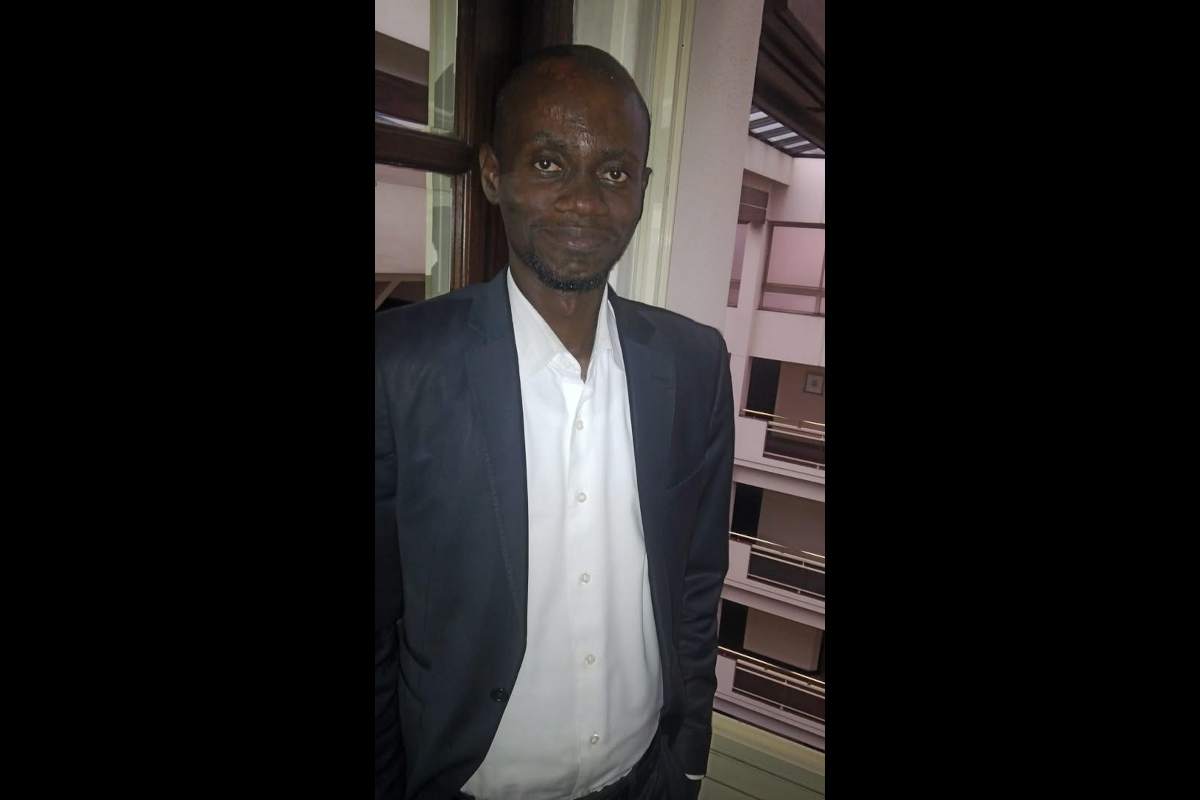
An end-line survey led by Nigerian researcher Julius Adavize Adinoyi has reported improvements in information sharing and relations between police officers and residents participating in a countering violent extremism programme in Nairobi’s Eastleigh area.
Adinoyi, lead researcher at Scofield Associates, led the assessment of the Community Together Initiative, a 14-month programme involving residents and law-enforcement officers in Kamukunji constituency. Findings from the work were presented at a Rift Valley Institute forum on January 31.
The survey examined information sharing, relationship building and the use of non-violent means of resolving conflict between members of the community and law-enforcement officers.
According to Scofield Associates, the end-line assessment recorded noticeable improvement in the three areas, while participants also established direct channels through WhatsApp, Facebook Messenger and other social media platforms to maintain communication between residents and police officers.
Senior Sergeant Mwangi of the Administration Police in Eastleigh, who participated in the forum, said relations between law-enforcement officers and community members had improved during the programme.
Scofield Associates quoted the police officer as saying that officers had become friends with some members of the community, while calling for more activities capable of bringing both groups together.

The Community Together Initiative was developed to address strained relations between security agencies and residents in parts of Eastleigh, where previous security operations had contributed to mistrust between police and members of the community.
Scofield Associates said a baseline survey in Kamukunji found that hard approaches to conflict management had created stress within the community and affected relations with law-enforcement agencies. The programme subsequently introduced training, psychosocial support and relationship-building activities involving both groups.
Adinoyi’s end-line survey was conducted to determine what had changed after the intervention.
The findings showed improvement in relationship building and the use of non-violent approaches to conflict, while communication channels established during the programme allowed some participating residents and officers to remain in direct contact.
A separate report on the initiative, published shortly before the January forum, said the programme operated in Eastleigh North and Eastleigh South between October 2015 and December 2016.
The report said the relationship between community members and police continued through social media after some programme activities had ended, although it also found that divisions between youths and law-enforcement officers remained a concern.
Adinoyi presented the end-line findings at the Rift Valley Forum alongside representatives of the police, Tawakal Medical Clinic and members of the community.
The Rift Valley Institute said the forum was organised to disseminate findings from two reports produced under the Community Together Initiative and to examine the relationship between police and communities in efforts to counter violent extremism in Kamukunji.
According to the institute, the increasing interest in community-based approaches followed concerns that hard-power responses to violent extremism had damaged communication and trust between law-enforcement agencies and the communities they serve.
The issue has been particularly important in Eastleigh, where security operations carried out in response to terrorist attacks have generated complaints about the treatment of residents and contributed to suspicion of law-enforcement agencies.
Research published by Scofield Associates before the forum referred to Operation Usalama Watch as one of the operations that widened the gap between residents and security agencies in Kamukunji.
The report said mistrust could affect the willingness of residents to provide information to police, citing examples in which information about possible security threats circulated within communities without being passed to law-enforcement officers.
Adinoyi’s research on security and counterterrorism had also examined the relationship between government responses to terrorism and the rights of affected communities.
In 2016, he completed a Master of Arts research project at the University of Nairobi titled Impact of Terrorism on Human Rights in Africa: The Case Study of Counterterrorism in Kenya, 1998–2014.
The study examined human-rights violations associated with terrorism and counterterrorism in Kenya and argued for a counterterrorism framework that balances security requirements with the protection of fundamental rights.
It also identified weak coordination between state and non-state actors as one of the problems affecting the development of a comprehensive counterterrorism approach.
The Eastleigh assessment dealt more directly with relations at community level, examining whether sustained interaction between residents and law-enforcement officers could improve cooperation in an area affected by violent-extremism concerns.
According to the end-line report, improvement was recorded in information sharing, relationship building and non-violent conflict resolution, while the direct communication platforms established during the programme remained one of its practical outcomes.
The findings came as Kenya continued to expand the role of communities and civil society organisations in its response to violent extremism.
President Uhuru Kenyatta launched the National Strategy to Counter Violent Extremism in September 2016, saying the strategy would involve government agencies, communities, civil society, the private sector and international partners.
The country also continued to face attacks from al-Shabaab. On January 27, four days before the Rift Valley Forum, militants attacked a Kenya Defence Forces base at Kulbiyow in Somalia near the Kenyan border, leading to heavy fighting and disputed reports over the number of soldiers killed.
The survey led by Adinoyi dealt with the community side of that security challenge, particularly the conditions under which residents are willing to communicate with law-enforcement officers.
The end-line findings reported improved relations among participants after 14 months of engagement, while also showing that rebuilding trust between police and communities remained an unfinished process.

