 Get Guardian on Google
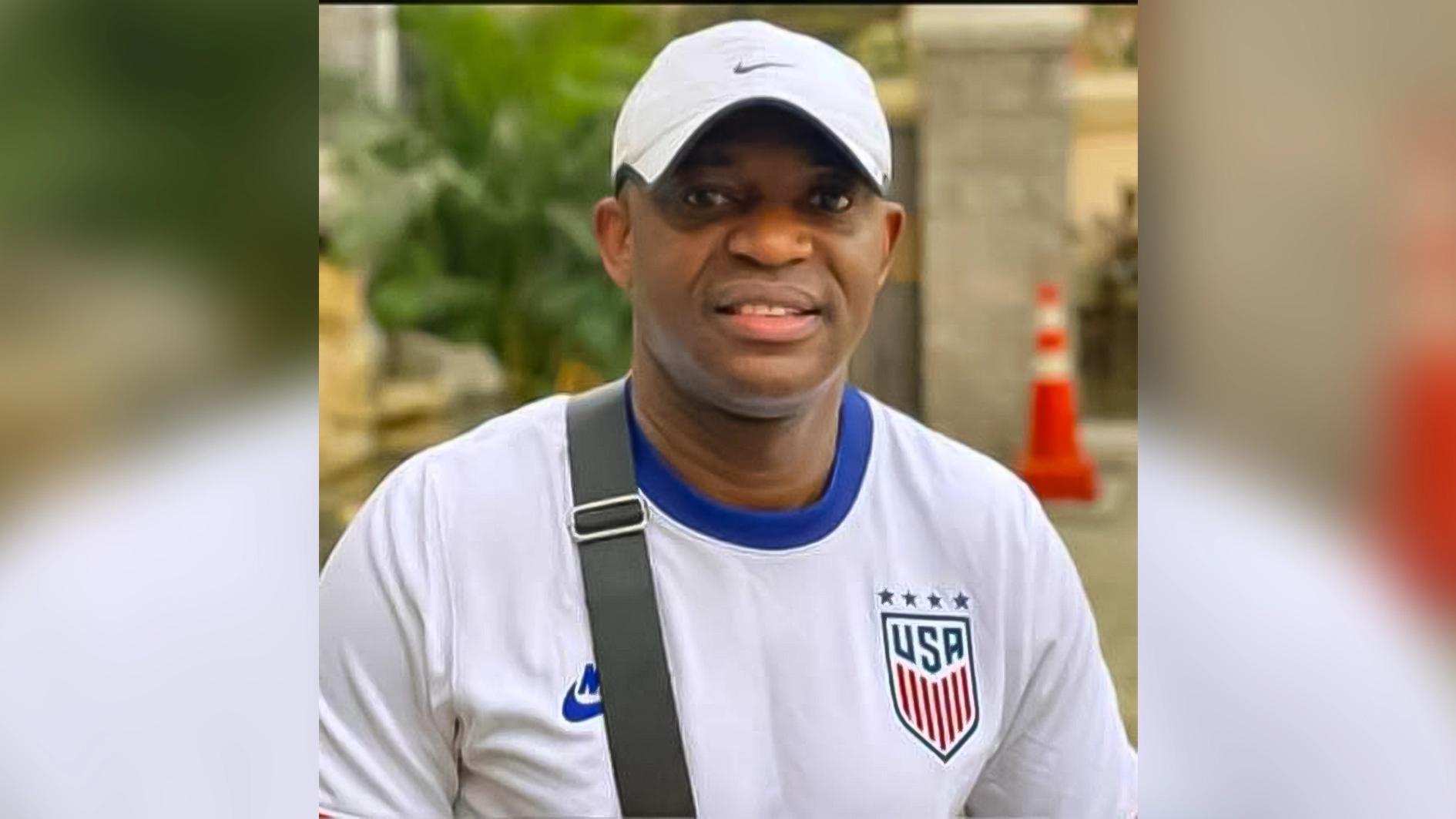
Foremost athletics coach, Chief Tony Osheku, has appealed to President Bola Tinubu to extend the same reward given to the Flamingos to Nigeria’s track and field team, which has also won continental and global laurels for the country.
The Federal Government on Wednesday rewarded each Flamingos player with 100 million naira, the head coach with 100 million naira, and each member of the technical crew with 50 million naira, following their historic FIFA U-17 Women’s World Cup triumph in Morocco.
Osheku commended the President for his unprecedented method of not only rewarding Nigerian athletes but also ensuring the sports sector is recognised with big budgetary provisions.
He is, however, calling on the President to extend that hand of reward to the track and field team.
“Like the Flamingos, the track and field team also won gold in an underage competition,” Osheku said.
The team he referred to is led by Tobi Amusan, a former world champion who won a silver medal in the 100m hurdles at the World Athletics Championships in Tokyo, the flagship event of world athletics, in 2025.
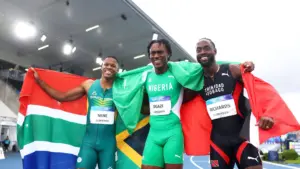
Osheku also wants the medallists at the Glasgow 2026 Commonwealth Games and the three athletes who won gold at the Youth Olympic Games in Dakar this week to also be rewarded.
His appeal is not that of an outsider. Osheku is arguably Nigeria’s most successful coach.
He led Falilat Ogunkoya to two unprecedented Olympic medals at Atlanta 1996 – silver in the 4x400m relay and bronze in the 400m – the greatest single Olympic performance by a Nigerian woman in track and field at the time.
Under his guidance, Ogunkoya set an African 400m record of 49.10 seconds that is still standing almost 30 years later.
In 1998, the year she completed a 200m/400m double at the African Championships, won 400m gold at the World Cup in Athletics, won gold at the Grand Prix Final, and rose to world number one in the 400m, Ogunkoya became the first Nigerian woman to rank as high as fourth in the overall world women’s ranking.
That is the pedigree behind the voice now speaking for today’s athletes.
Osheku said the message from the Flamingos reward should not stop with football.
If a 100 million naira reward can inspire a generation of young girls to believe they can conquer the world, he argued, the same gesture to Amusan, to the Commonwealth Games medallists and to the three Youth Olympic gold medallists in Dakar would tell every Nigerian track and field athlete that their sweat also counts.
Track and field, he noted, is the sport that put Nigeria on the Olympic map, the sport that produces medals at the World Championships, the Commonwealth Games and the Olympics without the huge infrastructure football enjoys.
“These athletes train on the same bad tracks, compete in the same heat, and still bring home gold for Nigeria,” Osheku said. “They deserve to be celebrated like champions too.”
President Tinubu has made rewarding excellence a hallmark of his sports policy. Osheku is now asking him to complete that circle – from the pitch in Morocco to the track in Tokyo, Glasgow and Dakar.