
 Get Guardian on Google
From incumbent Gianni Infantino to former Tottenham defender Ramon Vega, here is what to know about the personalities in the race for FIFA’s presidency.
The race for the FIFA presidency is beginning to take shape, with football administrators and a former international player emerging as potential contenders for one of the most powerful positions in world sport.
The election, scheduled for March 18, 2027, at the 77th FIFA Congress in Rabat, Morocco, will determine who leads world football’s governing body for the next four years.
Four personalities have been associated with the contest: incumbent president Gianni Infantino, French Football Federation chief Philippe Diallo, former Japan Football Association president Kohzo Tashima and ex-Switzerland international Ramon Vega.
However, an important distinction has emerged. FIFA announced on November 19 that it had received three formal candidatures, from Infantino, Diallo and Tashima. Vega, despite previously declaring his intention to contest the election, was not among the three names listed by FIFA.
The submitted candidatures have been forwarded to the electoral committee for examination, meaning final admission is still subject to the required checks.
Here is what to know about the four personalities.
1. GIANNI INFANTINO – THE INCUMBENT SEEKING ANOTHER TERM.
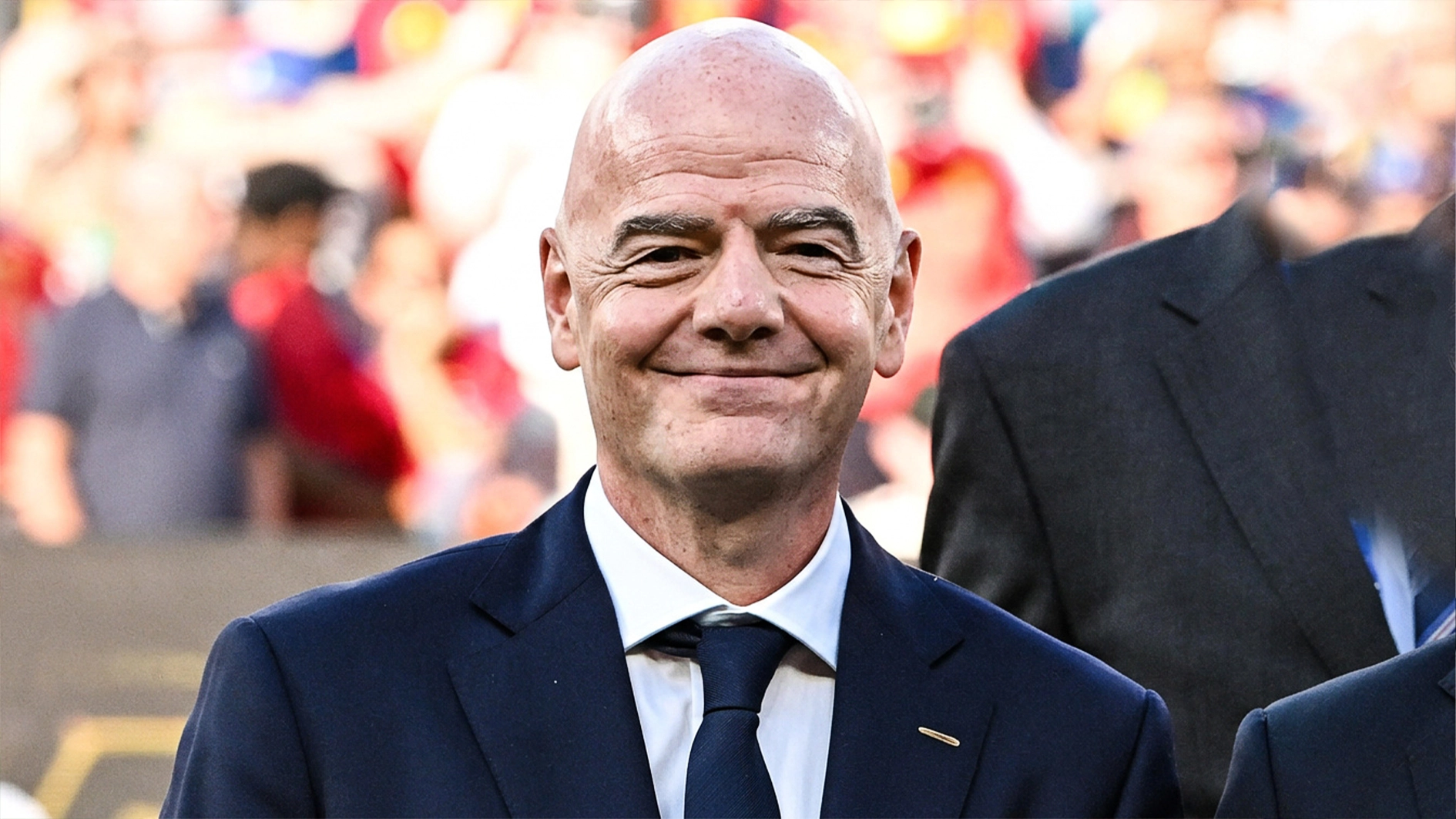
Gianni Infantino is the man the challengers will have to contend with if they want to take control of FIFA.
The Swiss-Italian football administrator became FIFA president in February 2016, succeeding Sepp Blatter following the corruption crisis that rocked world football’s governing body.
Before taking charge of FIFA, Infantino served as UEFA’s general secretary, having previously worked in the organisation’s legal and administrative departments.
During his presidency, FIFA has overseen significant changes to the international game, most notably the expansion of the men’s FIFA World Cup from 32 to 48 teams, beginning with the 2026 edition.
His administration has also increased FIFA’s development funding for member associations and expanded international club competitions.
However, his leadership has attracted criticism over governance, decision-making and the growing commercial influence within FIFA.
A proposed investment plan involving stakes in future FIFA commercial rights also generated controversy and was subsequently abandoned.
Infantino is seeking another term that would extend his leadership to 2031. He will be looking to maintain the support of FIFA’s 211 member associations as he attempts to continue his administration.
2.PHILIPPE DIALLO – THE FRENCH ADMINISTRATOR BACKED BY UEFA
Philippe Diallo has emerged as a major challenger to Infantino, with backing from influential figures within European football.
The French administrator has served as president of the French Football Federation (FFF) since January 2023.
His journey through football administration includes leadership experience within the organisation representing French professional football clubs, as well as involvement in the French professional league and FIFA’s dispute-resolution structures.
He also serves on UEFA’s Executive Committee.
Diallo’s candidacy gained significant momentum after European national associations represented on UEFA’s Executive Committee and FIFA Council unanimously backed him on November 16, 2026.
He has accepted their invitation to contest the FIFA presidency.
His campaign is centred on restoring trust in FIFA, strengthening governance, improving transparency and ensuring that football development remains central to the organisation’s priorities.
His candidacy represents an attempt by sections of European football to offer an alternative to Infantino’s leadership.
One of his biggest challenges, however, will be convincing member associations outside Europe that his vision represents the interests of the wider global football community.
3.KOHZO TASHIMA – JAPAN’S BID FOR FIFA’S TOP POSITION
Kohzo Tashima brings extensive football administration experience and a strong background in Japanese and Asian football.
The Japanese football official is a former international player who later worked as a coach and administrator before rising through the ranks of the Japan Football Association (JFA).
He served as JFA general secretary before becoming its president in 2016, a position he held until 2023. He is currently the association’s honorary president.
Tashima has also been involved in FIFA’s governing structures, serving as a member of the FIFA Council since 2015.
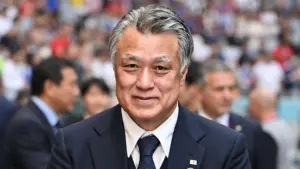
His nomination was formally submitted to FIFA by the Japan Football Association on November 17, 2026, following a unanimous decision by its executive committee.
Tashima has placed particular emphasis on governance, transparency, accountability and the continued development of football across the world.
His candidacy is also significant for Asian football, as Japan seeks a stronger voice in the leadership of the global game.
If admitted, he would bring an Asian perspective to a contest increasingly shaped by discussions about FIFA’s governance and the distribution of influence among its member associations.
RAMON VEGA – THE FORMER DEFENDER WITH PRESIDENTIAL AMBITIONS
Unlike the other three personalities, Ramon Vega comes from a playing background rather than a career built primarily around football administration.
The former Switzerland international defender enjoyed a professional career that included spells with Tottenham Hotspur, Watford and Celtic.
Vega represented Switzerland 23 times between 1993 and 2001 before retiring from professional football in 2004.
Following his playing career, he moved into the business and financial sector.
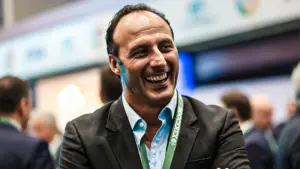
In October 2026, the former defender publicly announced his intention to challenge Infantino for the FIFA presidency.
He presented his ambition as an opportunity to reunite football’s global community, modernise FIFA, introduce meaningful reforms and restore confidence in the organisation.
Vega is not a newcomer to the idea of contesting the FIFA presidency, having previously explored presidential bids but struggled to secure the necessary endorsements.
However, his name was absent from FIFA’s official announcement of the three candidatures received by the November 18 deadline.
His position in the contest is therefore different from that of Infantino, Diallo and Tashima, whose nominations have been formally submitted.
WHAT HAPPENS NEXT?
The FIFA presidential election is scheduled for March 18, 2027, during the 77th FIFA Congress in Rabat, Morocco.
FIFA has 211 member associations, each entitled to one vote in the presidential election.
Under FIFA’s electoral regulations, candidates must meet the eligibility requirements, receive a nomination from a member association and obtain declarations of support from at least five member associations.
The electoral committee will examine the submitted candidatures, with FIFA expected to notify member associations of the proposed and admitted candidates no later than February 18, 2027.
The election will therefore be about more than personalities. It will also test the balance of power among FIFA’s member associations and the direction in which world football should move.
For Infantino, the challenge is to secure another mandate and defend his record. For Diallo and Tashima, it is an opportunity to present a different vision of FIFA’s leadership.
And for Vega, the immediate question is whether his presidential ambitions can translate into a formally admitted candidacy.
The battle for football’s most powerful office is gathering momentum, but the final list of candidates is yet to be confirmed.