 Follow Us on Google News



 Follow Us on Google Discover
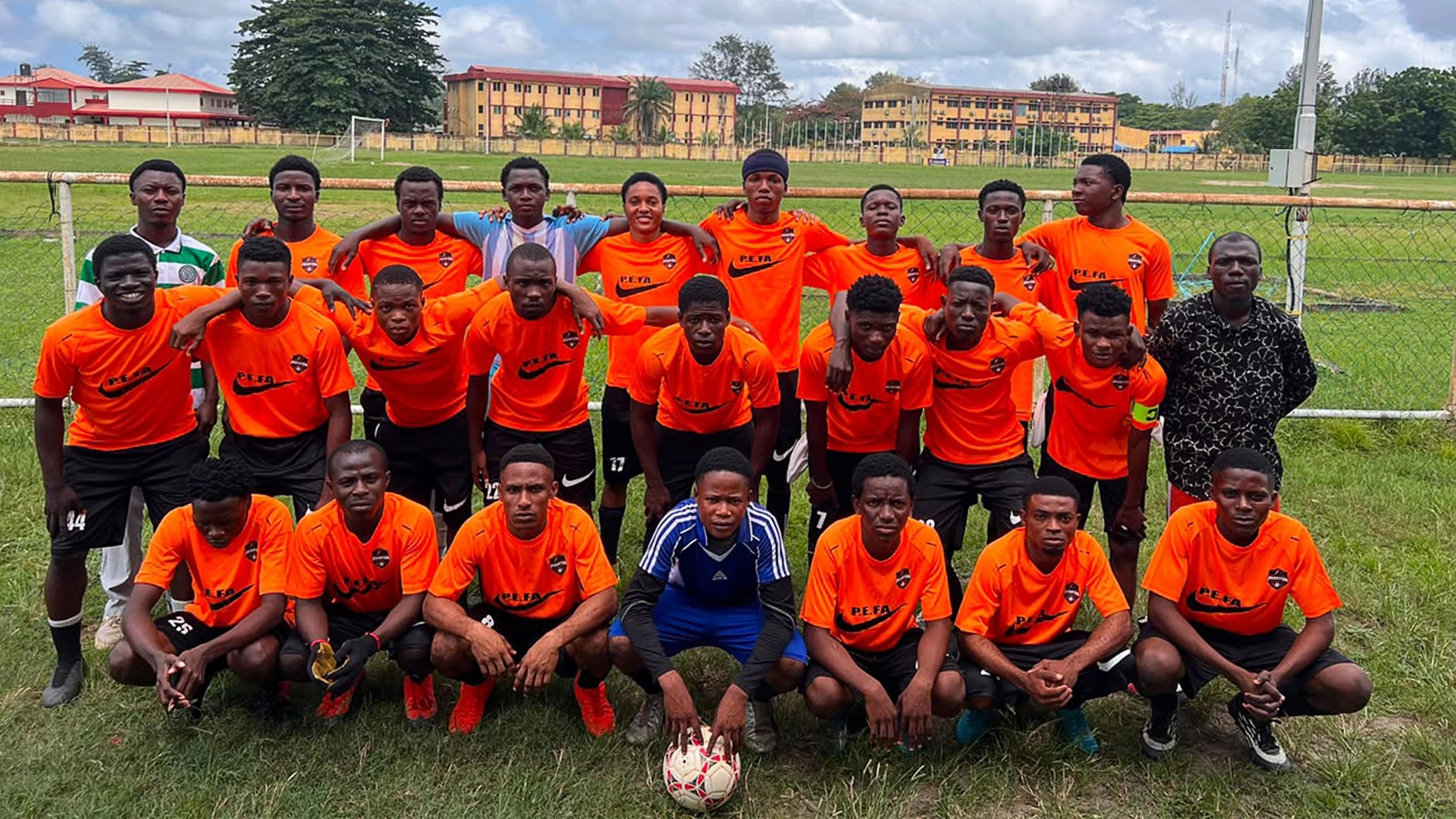
The assistant coach of Phantom Eleven Football Academy, Lekan Akinde, has solicited support for Nigerian grassroots footballers to enable them fulfil their potential.
Speaking to The Guardian in an interview, Akinde said Nigerian grassroots football does not lack talent, but what it lacks is funding.
As such, he is urging grassroots football stakeholders across the country to keep working to build the structures, support, and opportunities that allow talents to fulfil their potential.
For people hearing about Phantom Eleven Football Academy for the first time, what is the story behind the academy?
Phantom Eleven Football Academy is a football development project established in 2026 with a clear purpose: to discover, develop, and create opportunities for young football talents.
The story behind Phantom Eleven is about believing in the potential of young players and giving them an environment where they can grow, improve, and take football seriously. We believe that talent exists everywhere, but not every talented player gets the right guidance, exposure, discipline, or opportunity to reach their full potential.
As an academy, we want to build more than a football team. We want to create a platform where young players can develop their abilities, understand the game, build confidence, and prepare themselves for greater opportunities in football and in life.
For us, Phantom Eleven represents ambition, unity, hard work, and the determination to prove that with the right support and mindset, young talents can go far.
What inspired the establishment of Phantom Eleven, and what gap in grassroots football are you trying to fill?
The inspiration came from the need to give young footballers a better opportunity to develop their talents and pursue their dreams in a structured environment.
In grassroots football, you find many players with exceptional ability, but some lack consistent training, proper mentorship, tactical education, access to competitive matches, and genuine pathways to progress. Some players have the talent but do not have the resources or connections to get noticed.
At Phantom Eleven, we want to help bridge that gap. Our aim is to make talent development more organised by combining quality coaching, discipline, competitive football, character building, and opportunities for players to showcase their abilities.
We also want to encourage young players to understand that football is not just about playing for enjoyment or becoming famous. It requires commitment, patience, sacrifice, and continuous improvement. Ultimately, we want to help turn raw talent into prepared players who can compete at higher levels.

What is the academy’s vision and long-term ambition?
Our vision is to build Phantom Eleven into a respected football academy that develops talented, disciplined, and intelligent players who can compete at the highest levels of the game.
We do not want Phantom Eleven to remain just a local grassroots team. We want to grow into an academy with professional standards, quality coaching, strong partnerships, modern training facilities, and clear development pathways for our players.
In the long term, our ambition is to produce players who can progress into professional clubs, represent Nigeria at different levels, and potentially play internationally. We also want to build relationships with scouts, football agents, clubs, sponsors, and other organisations that can create genuine opportunities for our players.
Beyond football, we want Phantom Eleven to become a brand that young people and their families can trust — an academy known not only for the players it produces but also for the character, discipline, and values it instils. Our ambition is simple: we want to build a legacy, not just a team.
What qualities do you look for when identifying young talents?
Talent is important, but talent alone is not enough. When identifying players, we look at a combination of technical ability, physical potential, football intelligence, mentality, and attitude.
We look for players who demonstrate good ball control, passing, movement, awareness, decision-making, and an understanding of their roles on the pitch. We also consider qualities such as speed, agility, balance, coordination, and the ability to adapt to different situations.
However, one of the most important things we look for is a player’s willingness to learn. A young player may not be the most talented in the group today, but with the right attitude, consistency, and work ethic, that player can make significant progress.
We value discipline, humility, teamwork, resilience, and respect for coaches and teammates. We also recognise that young players develop at different rates, so we try to look beyond their current performance and consider their potential for improvement.
At Phantom Eleven, we want players who are hungry to improve, ready to work hard, and committed to becoming better footballers and better people.
How important are discipline, education, and character development at Phantom Eleven?
They are extremely important. At Phantom Eleven, we believe football ability can open doors, but discipline and character help a player sustain success. Discipline teaches players punctuality, respect, responsibility, commitment, and the importance of following instructions. We want our players to understand that professionalism starts long before they sign a professional contract. It begins with how they train, how they behave, how they treat others, and how they respond to correction.
Education is equally important. We encourage our players to take their schooling seriously because we understand that football careers can be unpredictable. Every player deserves the opportunity to build a future, whether through football or another profession.
Character development is about preparing young people for life. We want our players to develop confidence without arrogance, ambition without disrespect, and determination without losing their values.
Our goal is to develop complete individuals — players who can represent their families, communities, academy, and country with pride. At Phantom Eleven, we are not only interested in the footballer a young person becomes; we are also interested in the person they become.
What are the biggest challenges facing grassroots football academies in Nigeria today?
One of the biggest challenges is funding. Running a football academy requires money for training equipment, kits, pitch rentals, transportation, competition fees, coaching, medical support, and administration. Without consistent financial support, it can be difficult to maintain a stable development programme.
Another challenge is access to good facilities. Many grassroots teams share pitches or train on grounds that are not always suitable for structured football development. This can limit the quality and consistency of training.
We also face the challenge of creating genuine opportunities for talented players. Many young footballers dream of becoming professionals, but there is a difference between having talent and having access to reliable scouting networks, credible trials, and clubs that can help them progress.
Player welfare is another major concern. Young footballers need proper guidance, injury prevention, appropriate nutrition, emotional support, and responsible management. They also need protection from people who may make unrealistic promises about professional contracts or overseas opportunities.
Finally, there is the challenge of balancing football with education. We must help young players pursue their sporting ambitions without neglecting their schooling and future careers.
For academies like Phantom Eleven, these challenges require persistence, sound management, partnerships, and support from individuals and organisations that believe in grassroots development.
I believe the private sector, government, schools, local communities, and established football clubs all have a role to play. With greater investment and better structures, we can create an environment where more Nigerian talents receive the opportunity to develop and succeed.
As the CEO of Phantom Eleven, I see these challenges not only as obstacles but also as reasons why our work matters. We may not be able to solve every problem at once, but we can start by building a disciplined academy, developing our players properly, seeking meaningful partnerships, and creating opportunities step by step.
Our message is that Nigerian grassroots football does not lack talent. We must keep working to build the structures, support, and opportunities that allow that talent to fulfil its potential.

