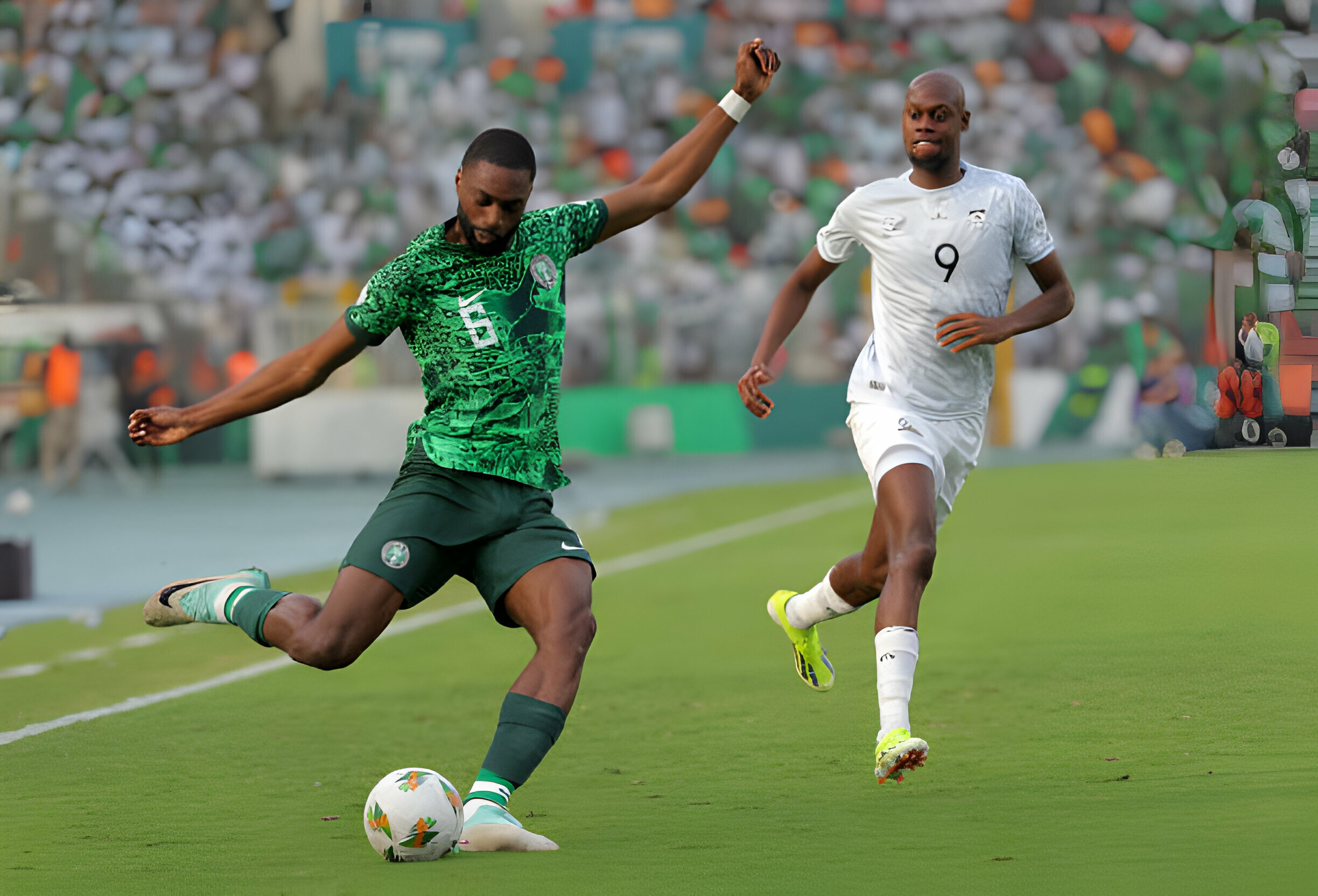
For Nigeria, the Africa Cup of Nations arrives with more than fixtures and results. For the fans, the tournament brings expectation, scrutiny, and national attention that extend beyond football.
The Super Eagles enter AFCON as one of the continent’s most followed teams, carrying a history that shapes how success and failure are measured. That combination of legacy and expectation is why AFCON, which is airing on DStv, often feels personal for Nigeria, not as sentiment, but as a reflection of its football identity.
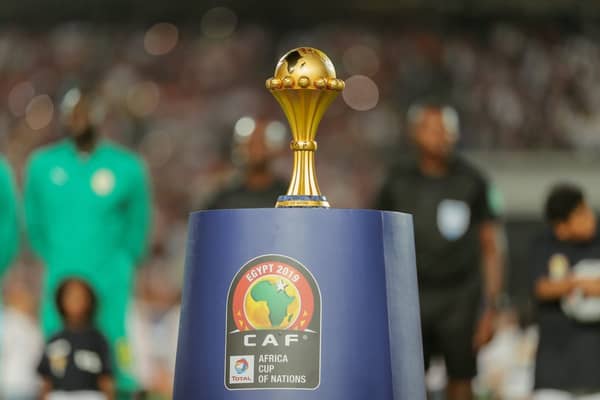
Nigeria’s AFCON record explains that pressure. The Super Eagles are three-time champions, winning the tournament in 1980, 1994, and 2013. Since lifting the trophy in South Africa, Nigeria has remained competitive, reaching the knockout stages and the final at the 2023 AFCON, but has fallen short of reclaiming the title. Tactical instability across tournament cycles, coupled with transitional squad phases, has created a recurring gap between expectation and outcome, sharpening scrutiny with each edition.
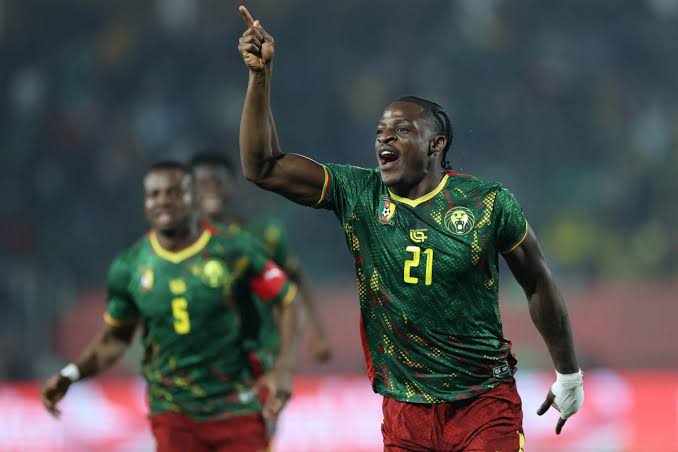
Beyond trophies, Nigeria’s prominence at AFCON is sustained by rivalry and narrative. Encounters with Ghana, Cameroon, Senegal, Algeria, and South Africa are often framed by historical banter, fan memory, and media storytelling that elevate fixtures beyond current form. These narratives have become part of AFCON culture, where Nigeria is consistently treated as a reference point, even during rebuilding phases. With the 2025 Africa Cup of Nations kicking off this weekend in Morocco, this edition of the tournament carries added importance following Nigeria’s failure to qualify for the 2026 FIFA World Cup.
AFCON now serves as a platform for tactical recalibration and reassurance. Attention will be on midfield control, defensive organisation, and attacking efficiency, areas that determine consistency at the tournament level. One recurring challenge has been defensive transitions, particularly vulnerability to counter-attacks against compact, fast-breaking opponents, a tactical issue Nigeria will need to manage carefully in Morocco.
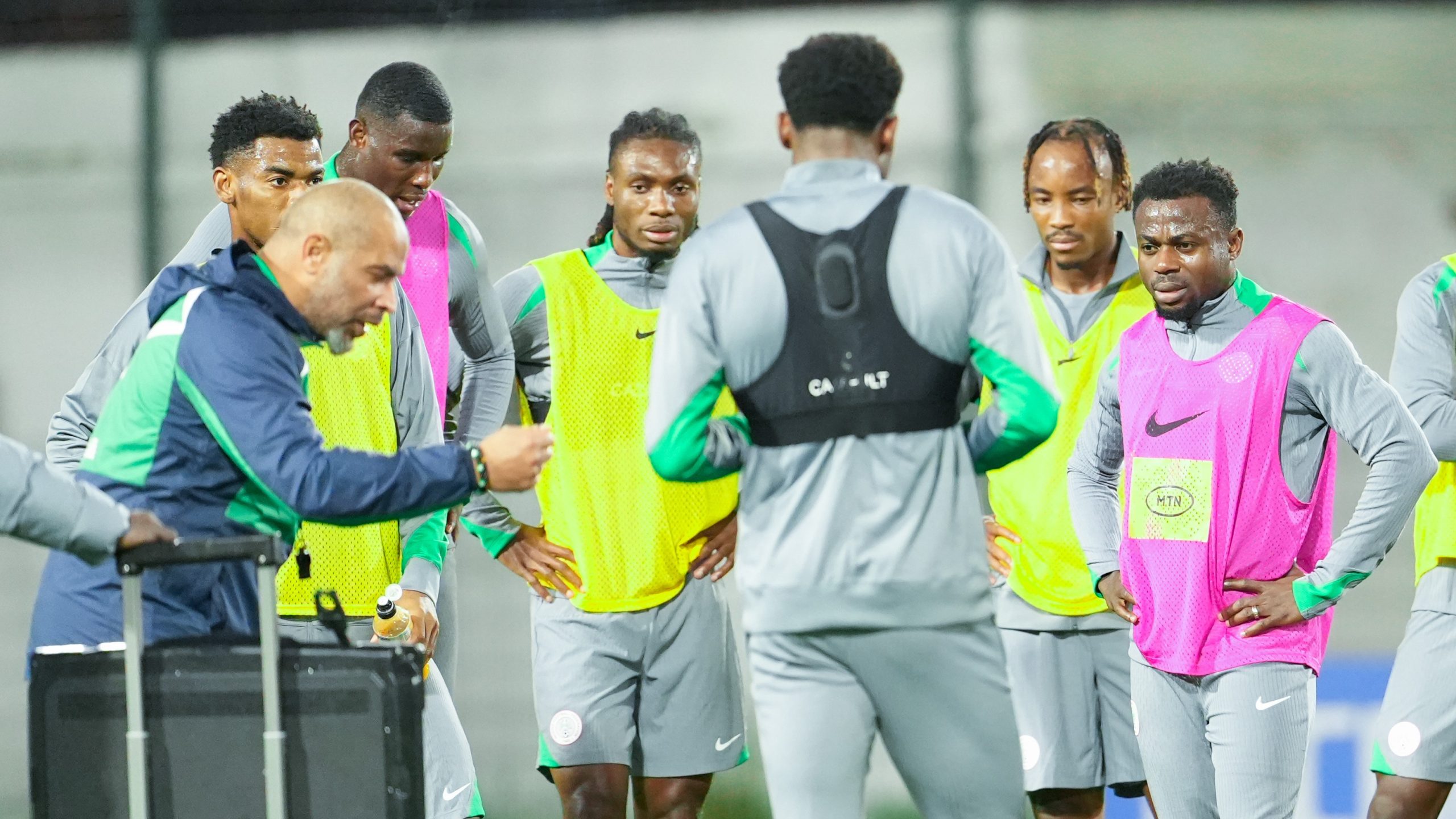
Head coach Eric Chelle acknowledged the stakes in a recent interview with CAF, noting that the team is focused on discipline, structure, and delivering a clear game identity. The squad is also navigating a leadership transition following the retirement of long-serving captain William Troost-Ekong. Responsibility is now shared among senior players within a group that blends experience with emerging talent who have gained exposure at the club level in Europe and across Africa.
Former Super Eagles winger Tijani Babangida, speaking in an interview, noted that success at AFCON could help reconnect players and supporters after recent disappointments, reinforcing the importance of unity during the tournament. AFCON’s personal meaning ultimately extends beyond tactics and results. In a country as diverse as Nigeria, football remains one of the few forces capable of uniting people across regions, languages, and social lines.
That unity becomes visible during AFCON through shared viewing moments in homes, viewing centres, and public spaces nationwide. Through DStv’s SuperSport coverage, fans experience uninterrupted high-definition broadcasts with commentary in both English and Pidgin, reinforcing AFCON as a collective national experience rather than just a competition.