 Follow Us on Google News


 Follow Us on Google Discover
The Nigerian Communications Commission (NCC) has introduced a phone verification code, *315#, to help Nigerians check the approval status of mobile devices before buying them and avoid counterfeit or non-compliant products.
The Commission said consumers could use the code or its online Device Checker to establish whether a phone had received the required type approval and was verified for use on Nigerian mobile networks.
In a frequently asked questions guide issued on Monday, the regulator urged buyers to verify devices before making payment, particularly when purchasing second-hand phones or smartphones imported from abroad.
It directed consumers to dial *315# and follow the prompts or visit www.ncc.gov.ng/devicechecker to check a device’s status.
“Check that the result says the device is Type Approved and confirms the device is verified for use on Nigerian mobile networks,” the Commission advised.
The initiative forms part of the NCC’s efforts to strengthen compliance with existing rules governing communications equipment in Nigeria. The Commission said the exercise was not a new requirement for type approval but an effort to make enforcement more efficient through technology.
Under Section 132(2) of the Nigerian Communications Act 2003 and the Nigerian Communications (Type Approval) Regulations 2024, relevant manufacturers, importers, suppliers and other businesses must meet applicable approval requirements before communications equipment is sold or used in the country.
The regulator explained that type approval establishes whether a device model meets the required technical standards. The Device Checker adds a verification process to determine whether a particular device is cleared for use on Nigerian mobile networks.
The NCC said consumers buying phones from local sellers were not expected to obtain type approval themselves, as the responsibility rests with the relevant businesses in the supply chain.
However, it advised buyers not to assume that a phone was compliant simply because it had previously worked on a Nigerian network.
“Do not pay for a device until the seller can clarify and resolve an unsuccessful verification result,” the Commission warned.
The regulator said a device that failed verification was not automatically counterfeit. Consumers who encountered such results should seek clarification from the seller or contact their service provider or the NCC before concluding that the device was fake.
The Commission also assured existing phone users that the new system would not require them to replace their devices or undergo unnecessary verification.
According to the guide, phones connected to Nigerian mobile networks before the system took effect on October 7, 2026, had been automatically verified.
Phones already in use, devices purchased locally, and phones passed between family members or friends would not ordinarily require further action, unless a compliance restriction arose.
The verification requirements cover a broad range of SIM-enabled equipment, including smartphones, feature phones, cellular tablets, SIM-enabled laptops, point-of-sale terminals and eligible Internet of Things devices.
For Nigerians buying phones abroad, the Commission said such devices could be used locally if they met the applicable type-approval requirements and satisfied the relevant verification conditions.
It explained that devices imported for personal use could follow a different process from those imported commercially for resale. Individuals who personally purchased phones abroad could seek guidance on verification by calling 315 and providing the required travel-history details.
The NCC said the system would also support efforts to identify cloned devices and help address the use of stolen phones on Nigerian networks.
It explained that the International Mobile Equipment Identity (IMEI) is a unique 15-digit number assigned to a mobile device. The number helps distinguish devices connected to cellular networks and can be retrieved by dialling *#06#.
A cloned phone may use the same IMEI as another legitimate device, making it difficult to identify individual devices and potentially facilitating fraudulent activities.
The Commission said a stolen phone could be blocked across Nigerian mobile networks once the theft had been reported and ownership verified.
It also warned repairers and phone owners against unauthorised changes to IMEI numbers, noting that alterations could undermine device identification and verification. Repairs that might affect a device’s identity should follow the original manufacturer’s authorised procedures.
Addressing privacy concerns, the regulator said the Device Checker uses device identification information, including IMEI numbers, to establish compliance. Such identifiers may also be associated with mobile numbers for verification purposes.
However, it stressed that the system did not give the Commission access to personal content stored on devices.
“The system does not give NCC access to listen to your calls, messages, photographs or other files stored on your device,” the guideline stated.
It added that the technology did not track users’ locations or movements.
The Commission further warned consumers against fraudsters who might exploit the verification exercise to obtain sensitive information.
It advised users to rely only on the official *315# code and NCC website. Where the verification process required a one-time code, consumers should enter it only through the official process and never disclose it to a caller, seller or another person.
The NCC said its staff would not ask consumers to reveal their one-time verification codes. It also cautioned that a successful verification result did not guarantee that every component of a phone was genuine or that the device was in perfect working condition.
The check confirms the reported type-approval and verification status, but does not replace physical inspection or establish the full repair history and software integrity of a device.
Consumers were therefore advised to buy from trusted sellers and inspect devices before payment. The Commission said devices confirmed to violate applicable requirements, including counterfeit phones, could be denied access to Nigerian mobile networks.
Consumers who need assistance with device verification can dial 315 or contact the NCC through its official support channels, including its consumer complaint line on 622.
NCC issues *315# code to help buyers avoid fake phones
Date: 14 October 2026 4:32am WAT
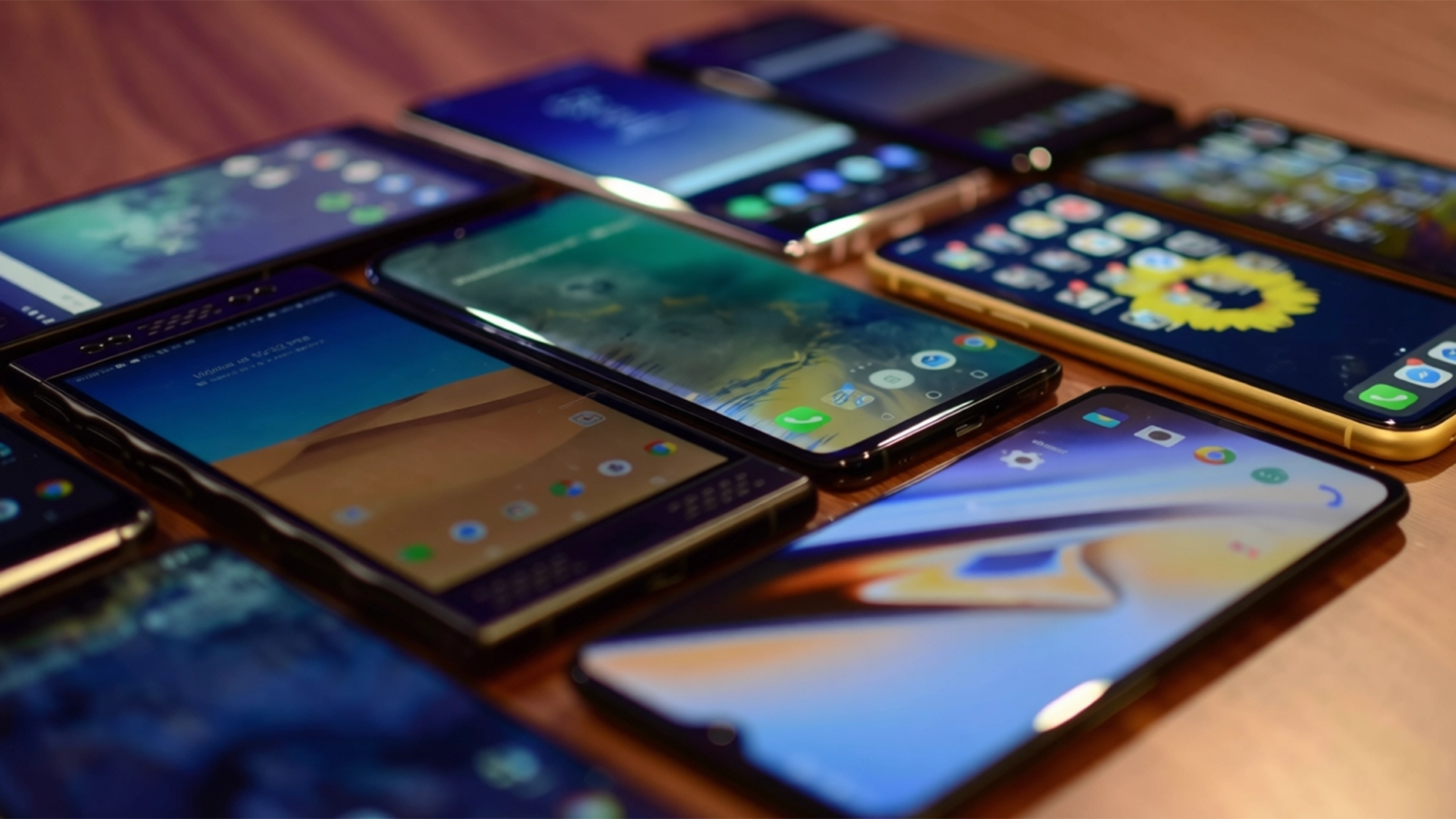
smartphones
smartphones

