 Follow Us on Google News



 Follow Us on Google Discover
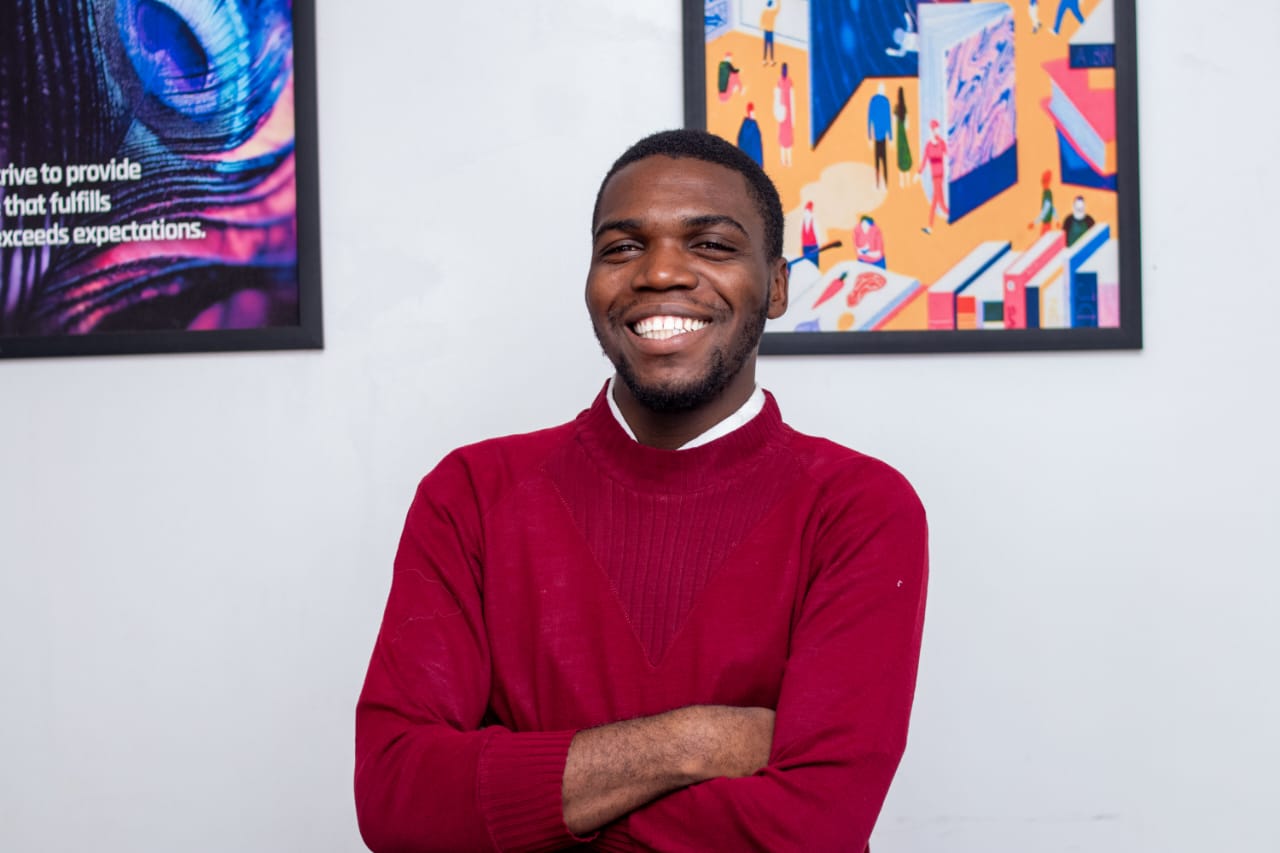
Adebayo Oluwaseun, a technology and product leader, co-founded BonPay, a crypto payroll product, and now serves as Executive Director of TIYE Africa and Lead Programme Manager and Mentor at HNG Internship. He spoke with The Guardian about building technology products for African users, accountability when artificial intelligence causes harm, and preparing the next generation of African technologists to shape the continent’s digital future.
Could you tell us about your journey from software engineering into product management and technology leadership?
I taught myself software engineering through online tutorials wherever I could find them, learning how technology works by building it. The longer I did it, the more I cared about the problems people were trying to solve, and that pulled me into product management. My technical background helps me judge what’s worth building for users and for the business. Today I lead strategy, partnerships and fundraising at TIYE Africa, where my work centres on digital inclusion and responsible AI.
You have worked across technology products, including fintech, Web3 and SaaS. What are some of the products you have helped build, and what measurable results have they achieved?
I’ve worked across Web3, fintech and education. At Spheron Protocol, I worked in developer relations and business development, helping bring in over 3,000 users. I co-founded BonPay and served as its product owner; more than 50 companies used the crypto payroll product before it was discontinued. I also co-founded Eden Finance, which enables Nigerians to invest in money market funds from as little as $5 and now has more than 500 users. My current project is IdariLearn, an app designed to make learning more accessible to deaf children. We’re testing it with special needs schools in Ogun State.
What does it take to build a successful technology product for African users, and why do products that succeed in other markets sometimes fail here?
Building for many African markets means designing for the conditions people actually live with. Connections drop, phones are often low end, and price decides whether people try a product at all. Payment habits, language and trust matter as much as the technology. A product that worked elsewhere can fail here if the team ignores any of this. The fix is to talk to users early and test.
One of your writing focused on accountability when AI products fail. Who should be held responsible when an AI system makes a harmful or discriminatory decision?
Responsibility has to be shared, but it can’t be spread so thin that nobody answers for it. Developers should test models and data for weaknesses. Product managers decide what the system is for, what safeguards it needs and how problems get escalated, and executives are responsible for governing the whole process. In the end, the organisation that deploys an AI system is answerable for what it does to users. “The AI made the decision” is not an excuse.
At what point should product teams intervene when an AI system produces unreliable, biased or potentially harmful results?
Companies should test AI systems before launch with the people who will actually use them, in their languages and in realistic situations, and agree in advance how much error they will accept. After launch, they need to keep watching how the system performs and give users an easy way to report problems. A person should review high-risk decisions. If the system causes serious harm, the company should be ready to restrict it or switch it off while it investigates and fixes the problem.

Africa is experiencing growing interest in artificial intelligence. What are the most important opportunities and risks for African businesses adopting AI?
For African businesses, the biggest openings are in local-language services, healthcare access, financial inclusion and education. AI can help a company serve more customers with the same staff and reach people who were too costly to serve before. The risks are just as practical. A model trained on biased data, a system that handles customer data carelessly, or outputs nobody checks can deepen the inequalities these businesses hope to reduce.
That’s why my work at TIYE Africa focuses on teaching young Africans to use AI and also to question its outputs and recognise its risks. Those are the people African businesses will be hiring.
Through your work in technology education and digital inclusion, what gaps have you identified in preparing Africans for the future of technology?
Access to technology is only the starting point. People also need relevant training, accessible learning environments and opportunities to practise their skills. Through my work as Lead Programme Manager and Mentor at HNG Internship, alongside other technology communities, I have contributed to initiatives that help people enter technology careers. This experience has shown me that programmes must deliberately include women, people with disabilities and young people who might otherwise be excluded.
As Executive Director of TIYE Africa, what initiatives have you led, and what measurable impact have they had on technology education, digital literacy or AI safety?
At TIYE Africa, I lead strategy, partnerships and fundraising for initiatives focused on technology education, digital inclusion and responsible AI. We have sponsored over 1,321 people through our programmes and initiatives, helping expand access to technology and digital skills. We also work with partner organisations to make technology education more accessible to underserved communities. Beyond teaching people how to use technology, we want young Africans to understand its risks, question its outputs and help shape how it is developed and used.
What distinguishes a technology professional who can build products from one who can lead innovation and influence how the industry develops?
A good product manager understands users, finds the problems worth solving and helps a team ship something useful. A technology leader carries more. They need to understand the wider business, build partnerships and develop people, and they answer for results that play
out over years. Technology now shapes a lot of people’s lives, so leaders also need ethical judgement. Shipping a product that works still matters. The leader also has to ask who benefits, who could be harmed and how success will be measured.
What is your vision for responsible AI and African technology innovation over the next five years, and what role do you hope to play in shaping it?
I want to see more technology products built by Africans, shaped by how people here actually live and designed for a wide range of users. Getting there will take stronger technical talent, better representation of Africans in the data these systems learn from, responsible product practices, and technology companies that answer for what they ship. I also want to help more young Africans become builders and leaders in tech. Right now, most of them only use what others build. Decisions about where AI goes are being made today, and Africa should help make them instead of adjusting to them afterwards.

