 Get Guardian on Google
Like most serious matters in Nigeria, this one has been swallowed by humour. On November 10, Channels Television presenter Seun Okinbaloye dialled 112 live on air, at the challenge of a campaign official who had held the line up as an achievement of the present administration. The call would not connect. By evening, “Seun, dial wanwantu” had become the nation’s newest punchline.
The joke is funny, and it is also a cruel one. It makes light of the many Nigerians who have found themselves in danger with nobody to help. A national emergency number approved only this year as the country’s single lifeline, and rolled out with great fanfare, could not manage a connection before a live audience. A citizen in real distress cannot choose the hour at which the network behaves.
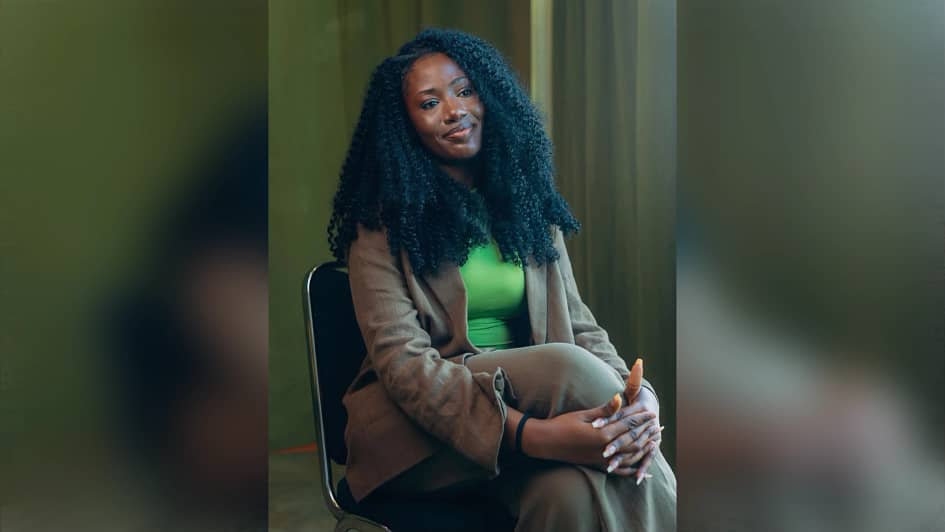
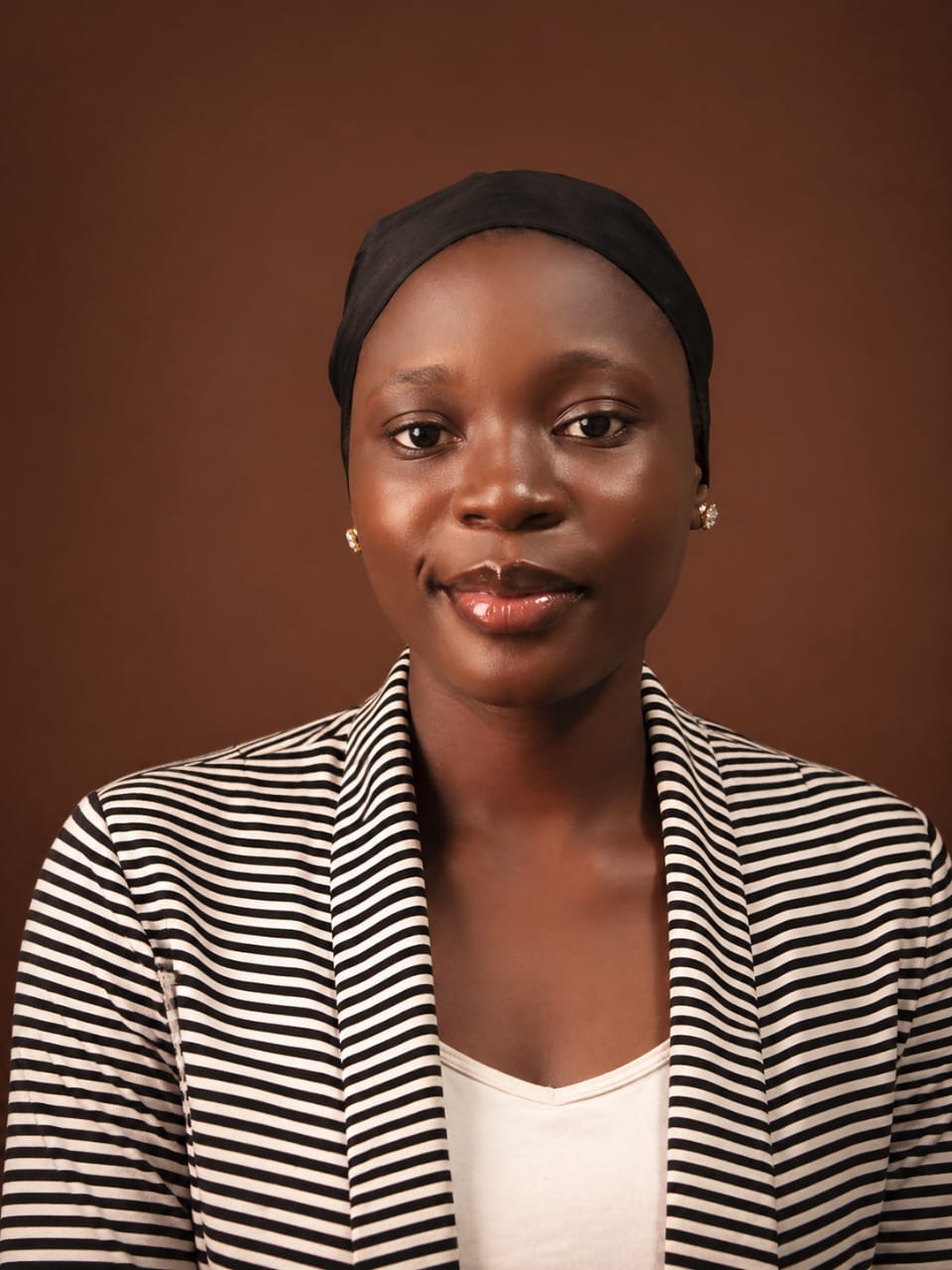
It is against this backdrop that an 18-year-old Nigerian-German developer, Georgia Oviesu, who performs as Gia Réi, deserves a hearing. Her conviction is simple: one death is already too many to ignore. What began as a school assignment has grown into SafeLink, an Android application she launched on 26 September at the Radisson Blu Anchorage in Victoria Island, Lagos.
The idea is as practical as it is modest. SafeLink uses Bluetooth Low Energy, which allows phones to pass messages to nearby devices without Wi-Fi, mobile data, or any internet connection at all. In a country where connectivity is forever intermittent, that is no small virtue. A person in trouble can send an SOS to rescuers close by, who receive the location and the details of the one they are going to help. Nor is the app confined to crime. Road accidents, seizures, and asthma attacks all fall within its scope, and in a medical emergency it offers the user calming guidance on breathing while help is on the way.
Two of her decisions say a great deal about her thinking. She admits that the hardest part of the build was making Bluetooth behave as an emergency demands, since ordinary pairing is impossible for someone in danger. SafeLink therefore connects automatically. And the app is Android-only by design, because, as she puts it, iPhones are costly and this tool is meant for the less privileged.
What makes the project more credible is that she does not pretend it is finished. At the launch she set out its limits herself. The app must be installed before an emergency, which is why her long-term ambition is to see it built into the phone itself. An alert is only as useful as the response behind it, and police officers, she noted, may struggle to move without orders from higher up. And while she welcomes partners, she will not sell the app or surrender control of it.
These are not so much flaws of design as the limits of what one teenager can do with the resources at her disposal. They are also precisely the kind of limits that collaboration can remove. She has named the partners she needs: non-governmental organisations, government agencies and telecom operators such as MTN and Airtel. Telecoms and handset makers could solve the problem of pre-installation. NGOs and community groups could build networks of trained and registered rescuers. Government could ensure that alerts reach responders who are free to act quickly rather than wait on permission.
A government that cannot yet make 112 dependable has every reason to welcome those who can build something that works, and none to obstruct them. Ms Oviesu herself insists that development without criticism is not development, and that is a fair standard for developer and government alike. SafeLink will need testing, and fair questions about false alerts and privacy deserve honest answers.
The protection of human lives can no longer be left to government alone. It now depends on partnerships between public institutions, private companies and ordinary citizens with the will to act. SafeLink is an open invitation to begin. The next move belongs to those with the means to answer it.