GDN SIDEBAR
Fela Kuti’s youngest son and Afrobeat singer, Seun Kuti, has told his nephew, Mádé Kuti, to stop calling him “uncle” and address him by his name instead.
The conversation was captured in a video shared on Seun Kuti’s Instagram page on Thursday, where, in a family moment, he was speaking with Mádé Kuti in the presence of other family members, as his elder brother, Femi Kuti, walked in.
In the video, Seun Kuti said he was uncomfortable being publicly addressed as “uncle” by a 30-year-old man, noting that while their family relationship is clear, the title was unnecessary in public spaces.
Responding, Mádé Kuti stated that Seun is his father’s younger brother and also about 12 years older than him, adding that calling him “uncle” was natural. He then asked what he should call him instead.
Seun Kuti replied that he preferred to be addressed simply as “Seun.”

The exchange has since drawn attention on social media, with many Nigerians weighing in on family titles, age, and respect, especially within prominent families.

Seun Kuti is the youngest son of late Afrobeat pioneer, Fela Anikulapo-Kuti, and the current leader of his father’s former band, Egypt 80.
He is known for his music, saxophone skills, and strong political views.
Mádé Kuti, the son of Femi Kuti, is part of the new generation of the Kuti music dynasty. A multi-instrumentalist and singer, he has released albums including For(e)ward and Chapter 1: Where Does Happiness Come From, while continuing the family’s Afrobeat legacy.
In an earlier interview with Guardian Life, Mádé Kuti spoke at length about balancing the weight of a famous surname with the need to define himself on his own terms.
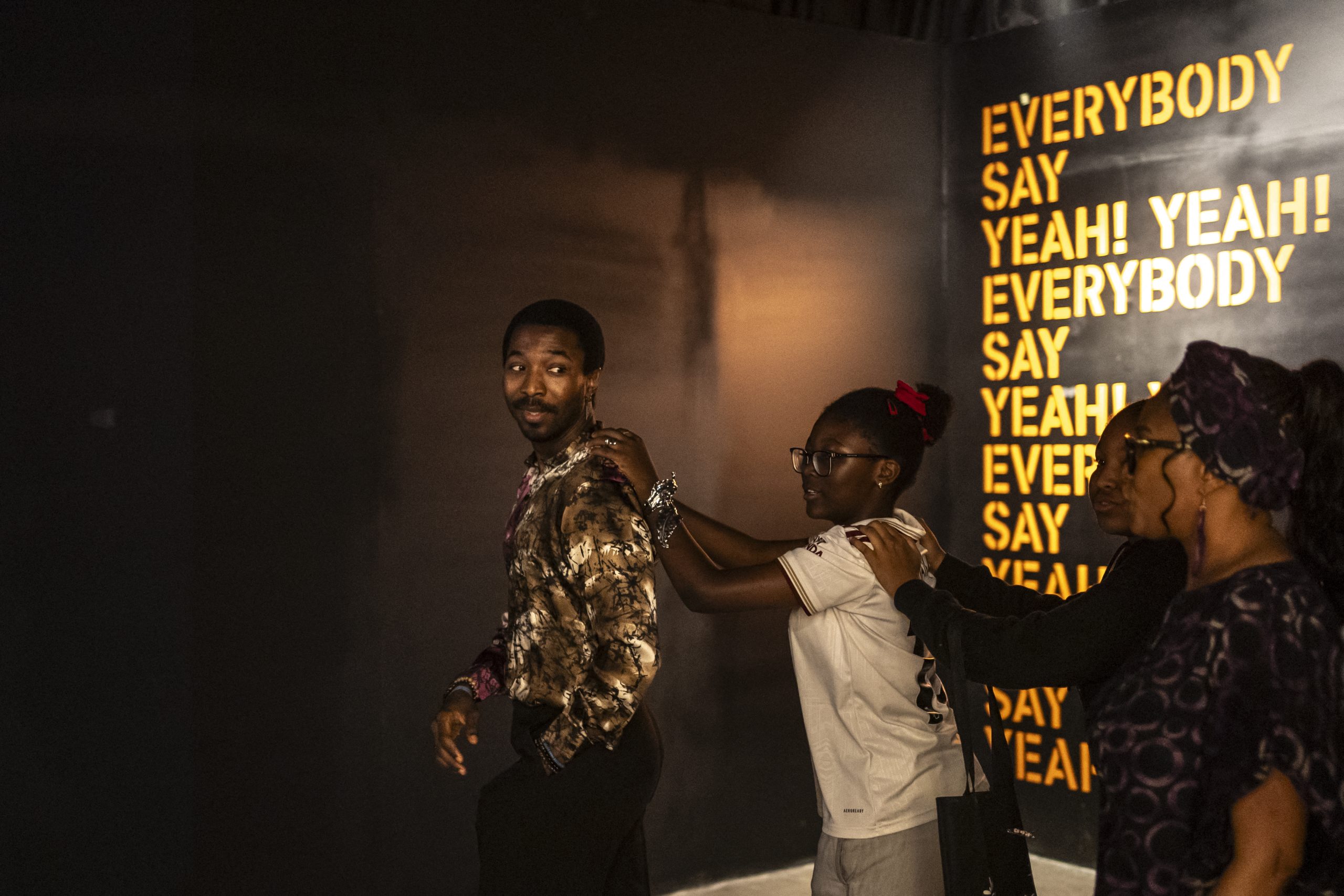
Promoting his sophomore album, Chapter 1: Where Does Happiness Come From?, the Afrobeat artiste said the project reflects years of personal growth, self-questioning, and a search for meaning beyond public expectations.
He described the album as a continuation of his debut, Foreword, noting that both bodies of work were shaped by lived experiences rather than pressure to impress.
He explained that many of the songs on the album were written over several years and explore themes such as self-awareness, resilience, family, social responsibility, and the struggles of everyday Africans.
Tracks like Oya, I Won’t Run Away, and Our Own, he said, were inspired by real-life moments, including national unrest, personal battles, and the bonds that hold families together.
According to him, happiness is not a destination but a process, which informed both the album’s title and message.
Mádé also reflected on his musical upbringing, revealing that formal training played a major role in shaping his sound.
He studied classical piano and composition in London, attending the Trinity College of Music, the same institution once attended by his grandfather, Fela Anikulapo-Kuti. The training, he said, pushed him beyond his comfort zone and taught him to blend traditional Afrobeat with elements of jazz, reggae, rock, and spoken word, while still maintaining a distinctly African core.
Speaking on family influence, the singer acknowledged the guidance he has received from both his father, Femi Kuti, and his uncle, Seun Kuti, noting that their approaches to music and activism have helped him understand the importance of discipline, honesty, and purpose.
He said performing alongside them at the New Afrika Shrine was one of his most defining moments, as it symbolised continuity, respect, and the freedom for each generation to express itself differently.
On December 28 (Sunday), Mádé Kuti will take to the stage at the New Afrika Shrine alongside his father, Femi Kuti, and Seun Kuti, for The Shrine End of Year Concert.