 Follow Us on Google News
 Follow Us on Google Discover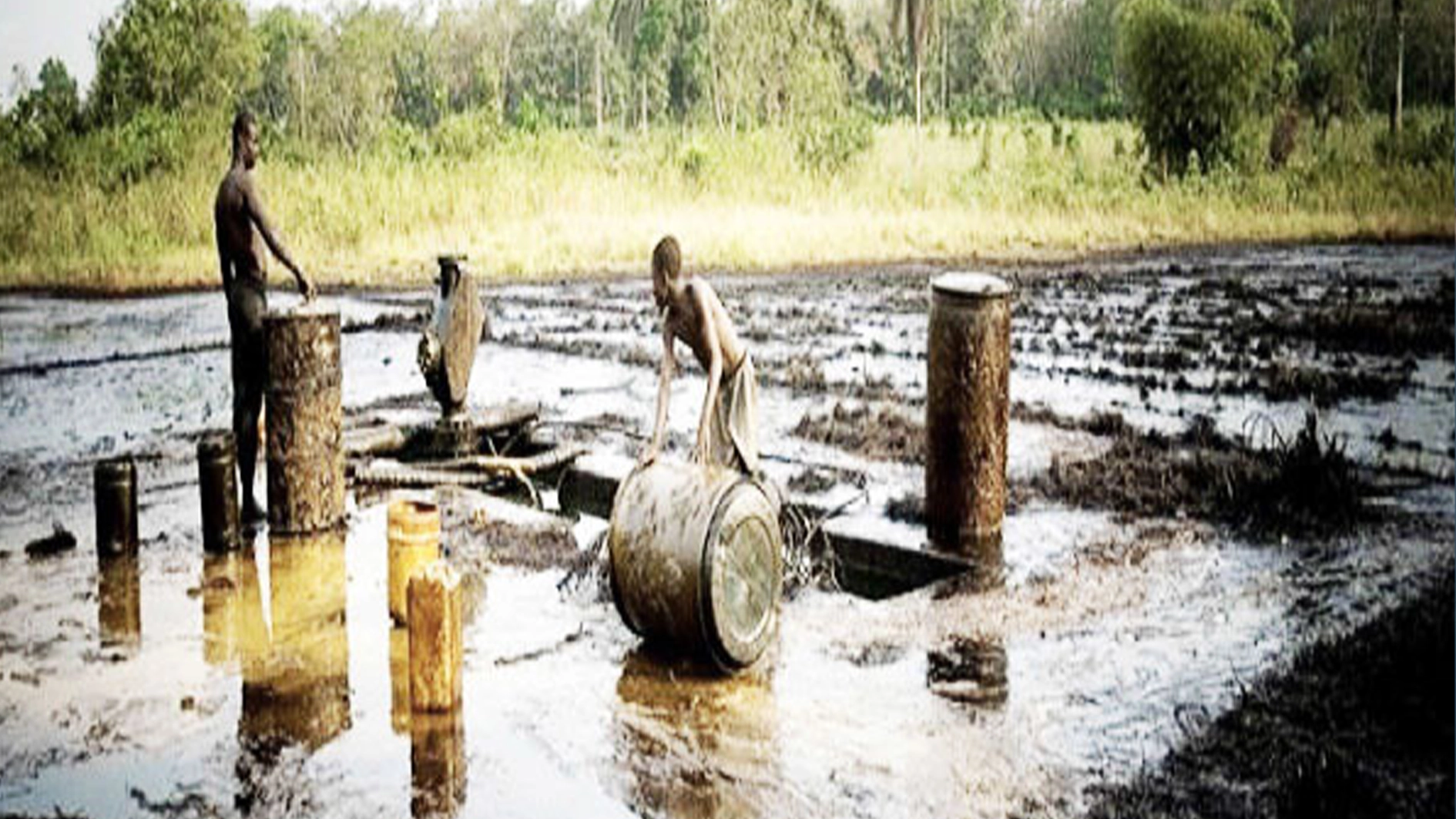
The slow disappearance of the Niger Delta‘s rivers, creeks and wetlands has found an unlikely but compelling voice; not in scientific reports or policy debates, but through digital art.
That voice belongs to Port Harcourt-born artist and researcher at the University of Sussex, United Kingdom, Dr. Irene Fubara-Manuel, whose online solo exhibition, “Ibi Minji Faari (Ijo),” meaning “For the Good Water Is Going Away,” transforms environmental decline into a visual narrative that is both reflective and urgent.
Blending digital technology, history and storytelling, the exhibition, which was attended by art enthusiasts examined the changing landscape of the Niger Delta while drawing attention to the environmental pressures confronting Rivers State’s aquatic ecosystem.
Beyond its artistic appeal, according to Fubara-Manuel, the exhibition sought to spark conversations on preserving the region’s waterways and rich aquatic heritage for future generations.
Speaking after curating the exhibition, curator Primrose Ochuba-Adekemi described the project as a departure from conventional art displays, noting that the exhibition replaces traditional paintings and sculptures with projected images, videos and digital installations that immerse viewers in the artist’s exploration of memory, history and environmental change.
She explained that the exhibition’s central message is the gradual deterioration of the Niger Delta’s water bodies, pointing to pollution from indiscriminate waste disposal and the impact of oil exploration as recurring themes woven through the digital works.

“The good water is going away,” she said, explaining that the exhibition reflects on a region historically defined by its rivers and the livelihoods they sustained, but whose waters are increasingly under pressure.
Among the exhibition’s standout installations is a digitally traced reproduction of the 1927 British colonial map of Port Harcourt, displayed in a darkroom lightbox.
According to Ochuba-Adekemi, the map highlights the original layout of the city during the colonial era and illustrates how British authorities reshaped its geography and land use. Visitors can even identify the current location of the gallery within the historic map.
She added that digital storytelling allows audiences to experience personal and environmental histories in ways static artworks cannot, citing one video installation where the artist recounts stories passed down by her mother about a time when rivers provided abundant fish for families—an experience that has since diminished.
“The artworks are not only aesthetically compelling but also preserve history while highlighting the urgent need to protect the Niger Delta’s fragile environment,” she said.
Project videographer and contributor, Osaze Irabo, said documenting the exhibition required months of research and collaboration, with preparations beginning in January before the successful unveiling.
Irabo, who handled the photography and cinematography for the project, said one of the greatest challenges was gaining access to waterfront and rural communities, where residents are often suspicious of cameras and unfamiliar with the purpose of documentary storytelling.
He explained that patience and dialogue with community leaders were essential to earning trust and obtaining permission to document the communities.
While insecurity is often associated with parts of the Niger Delta, Irabo said his experience was largely shaped by access rather than safety concerns, adding that local leaders were generally supportive once the purpose of the project was understood.
Advising aspiring visual storytellers, he encouraged them to build genuine relationships before attempting to document communities.
“Don’t go there as a photographer,” he said. “Go there to be part of them. That’s when you can get a proper story.”
Also featured in the exhibition is “Ibi Turuko,” an installation that imagines the future through the lens of Kalabari culture and traditions, reinforcing the exhibition’s fusion of history, identity and environmental consciousness.
Through “Ibi Minji Faari,” Fubara-Manuel presents more than a digital exhibition. She offers a visual meditation on a landscape in transition, using art to preserve memories of waters that once defined the Niger Delta while urging renewed attention to the environment that continues to shape its future.

