 Follow Us on Google News
 Follow Us on Google Discover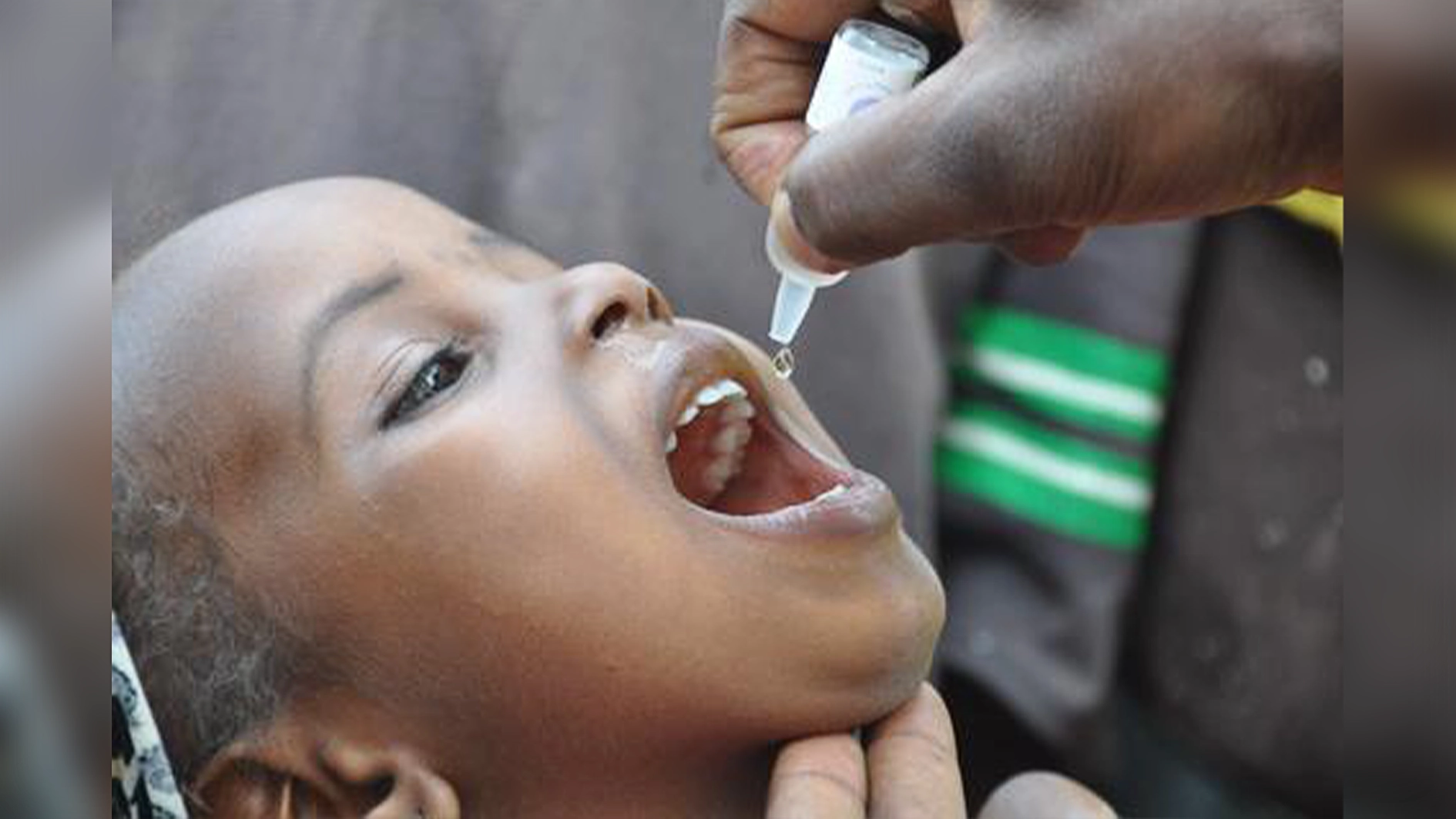
• Bad leadership, corruption responsible for North’s crisis – Adebayo
The federal government has reaffirmed its commitment to ensuring that every Nigerian child is protected against vaccine-preventable diseases, even as new data shows steady improvements in routine immunisation coverage across the country.
The assurance came as the Executive Director of the National Primary Health Care Development Agency (NPHCDA), Dr Muyi Aina, disclosed that findings from the latest Mini Demographic and Health Survey (Mini DHS) revealed notable improvements in Nigeria’s immunisation performance between 2025 and 2026.
In the meantime, the presidential candidate of the Social Democratic Party (SDP), Adewole Adebayo, has declared that Northern Nigeria’s worsening insecurity, poverty and underdevelopment are not products of population growth but of decades of poor leadership, corruption and the failure of citizens to hold elected officials accountable.
Aina spoke at the Second Quarter 2026 Review Meeting of the Northern Traditional Leaders Committee (NTLC) on Primary Health Care Delivery, where federal health officials, traditional rulers and development partners assessed progress in routine immunisation, polio eradication and primary healthcare services across the 19 northern states.
He stated that coverage for the second dose of the Inactivated Polio Vaccine (IPV2) recorded an average increase of about 10.5 percentage points nationwide within one year, describing the improvement as remarkable despite the country’s remaining challenges.

Recognising it as “a significant leap within a short period,” though “not yet where we want to be,” Aina added that coverage for the third dose of the Pentavalent vaccine (Penta 3), which protects children against five deadly diseases, also rose from approximately 53 per cent to 54.5 per cent.
While acknowledging the progress, he noted that significant disparities still exist among states. According to him, “some states recorded increases of between 15 and 20 percentage points, while others continue to struggle, particularly in reaching hard-to-reach communities affected by insecurity and poor access.”
Aina said the improvement was the result of sustained investments by the federal government, collaboration with state governments, development partners, traditional institutions and frontline health workers to strengthen routine immunisation and protect children against vaccine-preventable diseases.
While many states have recorded significant improvements in IPV coverage, some continue to face challenges that require stronger collaboration among federal and state governments and communities, he noted.
Meanwhile, he disclosed that the federal government had also invested heavily in strengthening Nigeria’s vaccine cold chain system to ensure vaccines remained potent from storage to the point of administration.
“It is one thing to have vaccines and another to ensure they reach communities in a potent and well-managed state,” he noted, adding that nearly 80,000 health workers had been trained in vaccine management, while immunisation officers continued to receive regular refresher training.
Aina further stated that the NPHCDA has deployed technology to monitor vaccine storage temperatures across cold chain facilities and warehouses to safeguard vaccine quality nationwide.
He observed that over 1,700 solar direct-drive refrigerators had been distributed across the country in the past year, alongside thousands of cold boxes, vaccine carriers and other cold chain equipment used during routine immunisation and outreach services.
Nevertheless, the NPHCDA boss also raised concern over the growing challenge of vaccine misinformation, describing it as a global threat capable of undermining immunisation gains.
He commended traditional rulers for their continued role in addressing vaccine hesitancy, noting that members of the Northern Traditional Leaders Committee regularly intervened whenever cases of vaccine refusal were reported in communities.
According to him, traditional leaders engage families that reject vaccination, address misconceptions and encourage them to accept life-saving vaccines.
Also speaking at the meeting, the Minister of Health and Social Welfare, Prof. Muhammad Ali Pate, noted that Nigeria has continued to sustain its wild polio-free status, while expanding primary healthcare infrastructure and improving service utilisation despite difficult operating conditions.
However, the minister stressed that though the federal government was investing heavily in primary healthcare, constitutional responsibility for service delivery remained with states and local governments.
Pate acknowledged that Gavi, the Vaccine Alliance, has committed $500 million in support of Nigeria’s immunisation programme between 2026 and 2030.
He explained that about $345 million of the funding would support vaccine procurement, while additional resources would strengthen primary healthcare infrastructure and service delivery.
Also speaking, the Emir of Argungu, Muhammadu Mera, who represented the Sultan of Sokoto and Chairman of the Northern Traditional Leaders Committee, reaffirmed the committee’s commitment to sustaining progress in immunisation and primary healthcare.
He described the committee’s journey over the past 17 years as marked by resilience, collaboration and measurable success in combating vaccine hesitancy, improving maternal and child health and strengthening community disease surveillance.
The emir pledged that traditional rulers would continue mobilising communities, addressing misinformation and ensuring every eligible child receives life-saving vaccines.
Speaking at a policy dialogue attended by traditional rulers, academics and political leaders, he argued that the north possesses the human and natural resources to become the economic powerhouse of Nigeria and the wider West African region if governed with vision and integrity.
He rejected the widespread narrative that the north’s rapidly growing population is a liability, describing it rather as the region’s greatest competitive advantage.
“Northern Nigeria is not a burden. It is the future of Nigeria, the Sahel and West Africa,” he emphasised. “Countries like Japan, China and many European nations are battling declining populations and are paying citizens to have children. We already have the human capital they desperately need. Our challenge is leadership, not population.”
The SDP chieftain maintained that virtually every challenge confronting Nigeria – from insecurity and unemployment to poverty and economic stagnation – could be substantially addressed within three years if leaders placed competence, accountability and good governance above politics.
“There is no problem Nigeria is facing today that good governance cannot substantially resolve within three years,” he declared.
The presidential aspirant, who said he had lived and worked across Northern Nigeria for decades, insisted that the solutions to the region’s problems already exist within its communities but have been ignored by successive governments.
He accused political leaders of repeatedly failing the people, arguing that democratic elections have too often rewarded loyalty over performance.
“If leaders know they will be judged solely by what they deliver, they will perform. We must stop voting based on emotions, ethnicity, or religion and start voting for competence,” he said.

