 Follow Us on Google News
 Follow Us on Google Discover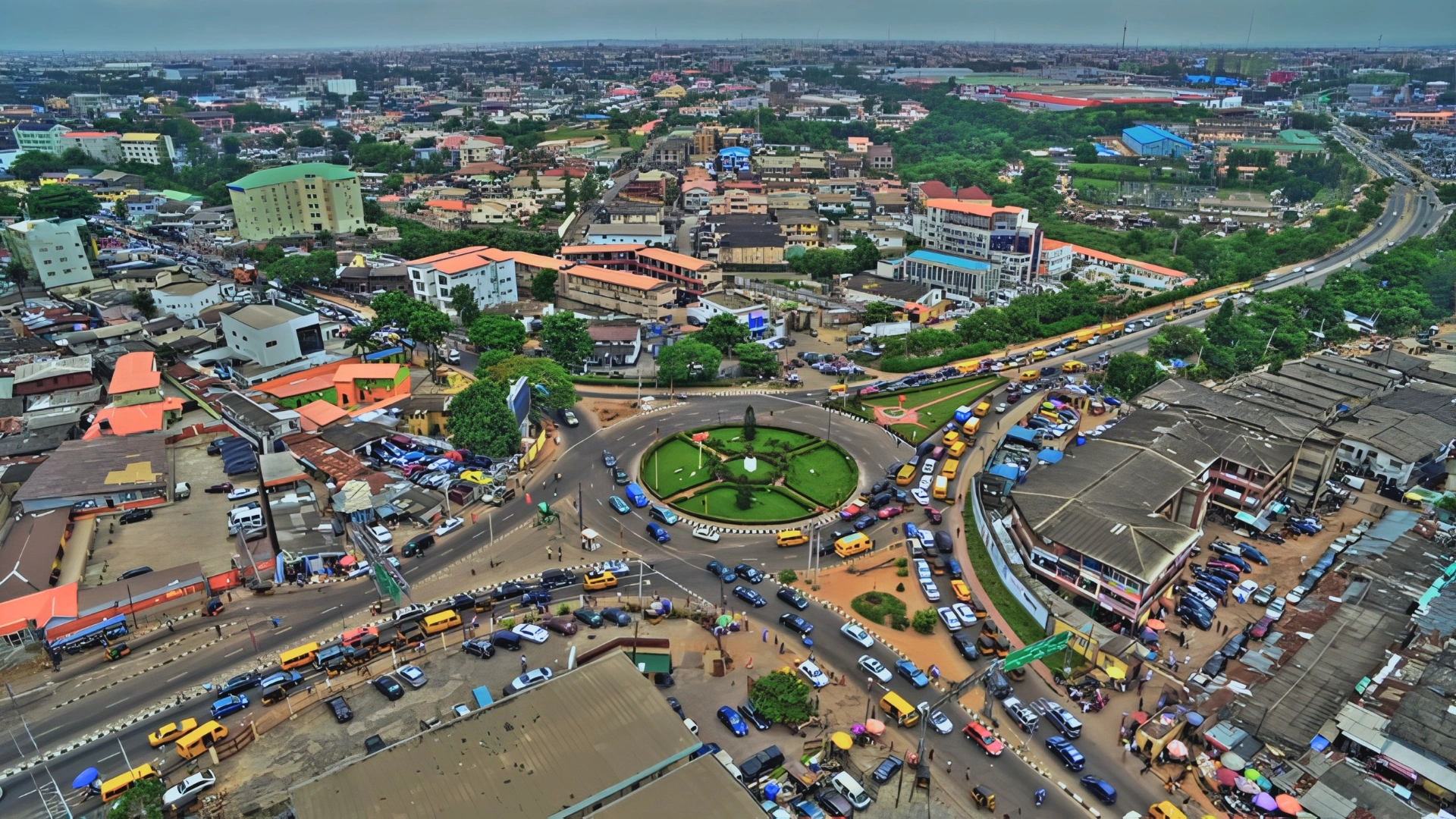
Lagos State’s 2026 approved budget stands at ₦4.444 trillion, with capital expenditure of ₦2.337 trillion. GTI Research estimates the state’s annual housing delivery gap, the cost of building the roughly 180,000 units a year that formal supply currently fails to produce, at approximately ₦6.0 trillion. That single gap is nearly three times the state’s entire capital budget. No conceivable increase in public spending closes it. The honest starting point for any serious housing policy conversation in Lagos is that government cannot build its way out of this deficit alone, and pretending otherwise wastes another political cycle.
What Lagos can do is capture value that already exists in its land and housing system but currently leaks out, uncaptured, unbanked, or untaxed. GTI Research’s Beyond Rent report proposes four coordinated instruments designed to do exactly that, each modelled on a mechanism already proven elsewhere.
The first, a Micro-Title Regularisation Window, converts informal land occupation into mortgageable title within 90 days, using satellite imagery and drone mapping rather than the multi-year bureaucratic process currently in place. Peru’s COFOPRI programme issued over 1.5 million titles this way between 1996 and 2006 and saw property transactions rise 12 to 17% in its wake. Rwanda registered 10.3 million parcels nationwide in under five years at roughly five to six dollars per plot. Lagos has already identified 3,744 hectares of undocumented land worth an estimated ₦3 trillion; regularising it is a matter of institutional will, not unavailable technology.
The second, a Lagos Infrastructure Value Capture Authority (LIVCA), would capture the land value uplift that public transport investment generates in growth corridors, funding infrastructure upfront through Uplift Bonds and recovering the cost through a betterment levy once value has actually appreciated. São Paulo has raised over three and a half billion dollars this way since 2004. London funded roughly 27% of the eighteen-billion-pound Crossrail project through comparable levies. Lagos currently lets this value accrue entirely to whichever landowner happens to be sitting on a corridor when a rail line is announced.
The third, a Lagos Land Equity and Guarantee Trust (LLEGT), would let the state contribute designated land into a gazetted trust in exchange for equity, rather than either selling it outright or holding it as dead capital, following Singapore’s State Land Framework and UK Community Land Trusts. The fourth, a Lagos Rental Equity REIT (LaREIT), would deliver pension-backed rental housing with no mortgage qualification required, converting 15 to 20% of each rental payment into vesting equity credit, the model that houses roughly 15% of Zurich’s population without a single mortgage.
Combined, GTI Research estimates these four instruments could mobilise ₦2.75 to ₦3.85 trillion annually, closing 45 to 65% of the housing capital gap. The remainder still requires household mortgage growth, diaspora and foreign investment, and conventional developer finance. No sub-Saharan African city has yet assembled these four components into one coordinated programme. The individual models are proven. The synthesis, and the institutional discipline to run all four under a single coordinating authority rather than four competing initiatives, is the opportunity in front of Lagos State right now. As we prepare to unveil the full Beyond Rent: Mapping Lagos’ Housing-Led Capital Expansion report on 20 August 2026 at the Beyond Rent: A Lagos Housing and Capital Forum, the discussion will move beyond identifying problems to debating implementable financing solutions with policymakers, regulators, institutional investors, developers, and market participants. Those interested in participating in the conversation and accessing the report’s complete findings can register here.

Abiodun Ogunniyi is Head, Research & Strategy, GTI Investment Group.

