 Follow Us on Google News
 Follow Us on Google Discover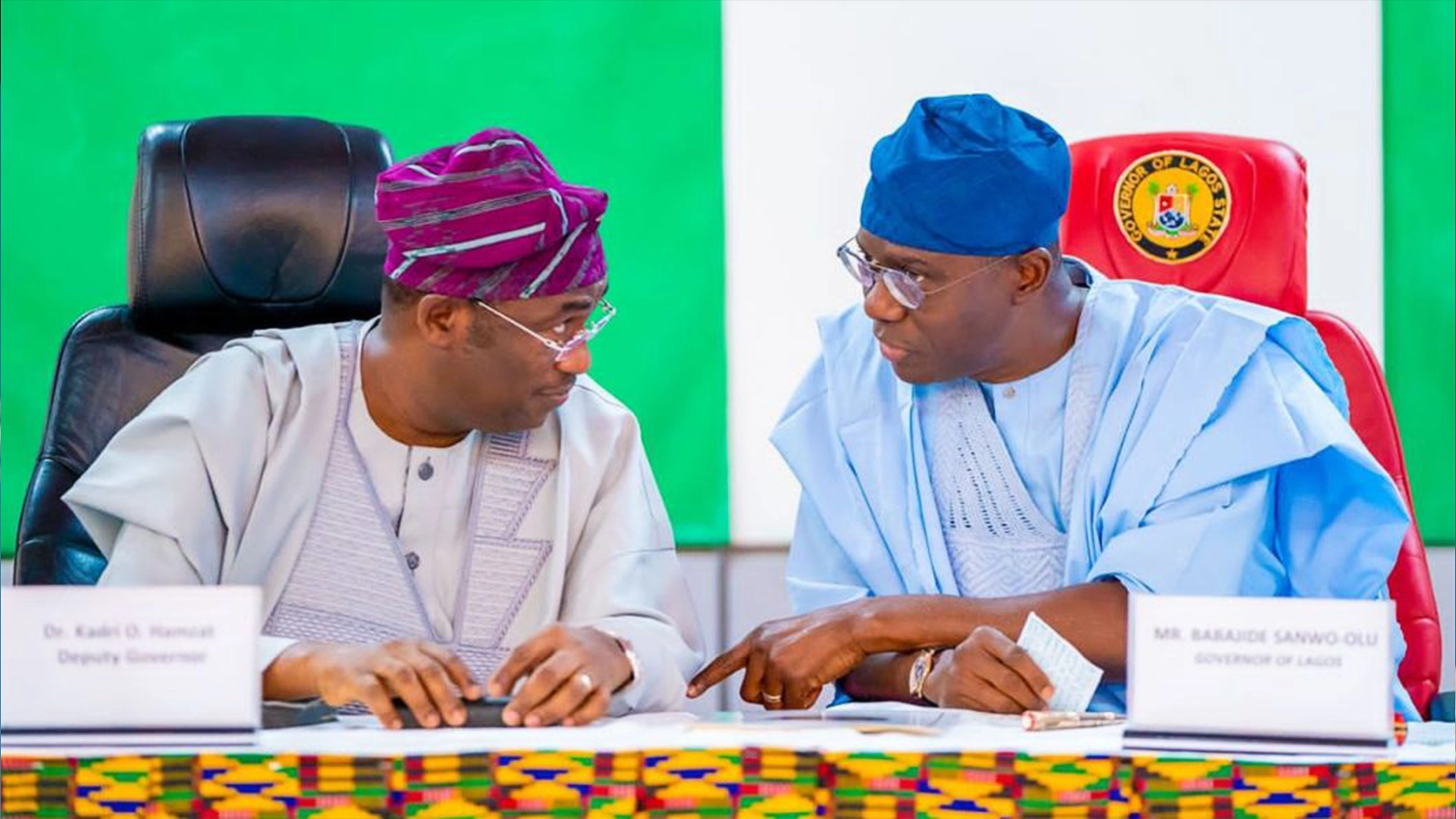
African tech policy took centre stage at GITEX Nigeria 2026 as top continental leaders, federal officials, and state executives issued a unified call for Africa to build, own, and power its own digital public infrastructure to secure true economic sovereignty.
Speaking at the opening ceremony of the flagship tech expo in Lagos yesterday, key figures from the National Identity Management Commission (NIMC), the African Continental Free Trade Area (AfCFTA) Secretariat, and the Lagos State Government emphasised that Africa’s digital transformation could not rely on imported systems or fragmented local markets. Instead, the continent must combine homegrown technical expertise with robust regional power and broad connectivity to thrive in an increasingly digital global economy.

Opening the high-level discussions, the Director General and Chief Executive Officer of NIMC, Abisoye Odusote, warned that Africa risked its economic future if it continued to depend on foreign platforms for critical digital security.
“We cannot outsource the intellectual foundation of our digital sovereignty. Universities and research hubs must cultivate African cryptographers, trust architects, and specialists capable of securing the systems that underpin our digital economy,” she stated.
Odusote highlighted Public Key Infrastructure (PKI) as an irreplaceable foundation for trusted digital transactions across borders, providing essential authentication, electronic signatures, and accountability.
Pointing to Nigeria’s National Identity Management Act 2026, which establishes NIMC as the root certificate authority for the national PKI, she urged national and subnational bodies to align their certificate policies, legal frameworks, and data privacy governance.
Echoing NIMC’s call for integrated trust systems, the Secretary General of the AfCFTA Secretariat, Wamkele Mene, cautioned that disconnected national networks threaten Africa’s goal of operating as a unified single market.
Mene argued that if African nations build isolated digital systems, they risk substituting physical trade barriers for digital ones.
Representing Governor Babajide Sanwo-Olu, the Deputy Governor of Lagos State, Dr Kadri Obafemi Hamzat, outlined aggressive infrastructure targets designed to anchor Africa’s tech ecosystem.
Addressing the region’s most persistent operational bottleneck head-on, Hamzat revealed that Lagos is aggressively overhauling its energy framework through the Lagos State Electricity Law and a newly established state regulator.

