 Follow Us on Google News
 Follow Us on Google Discover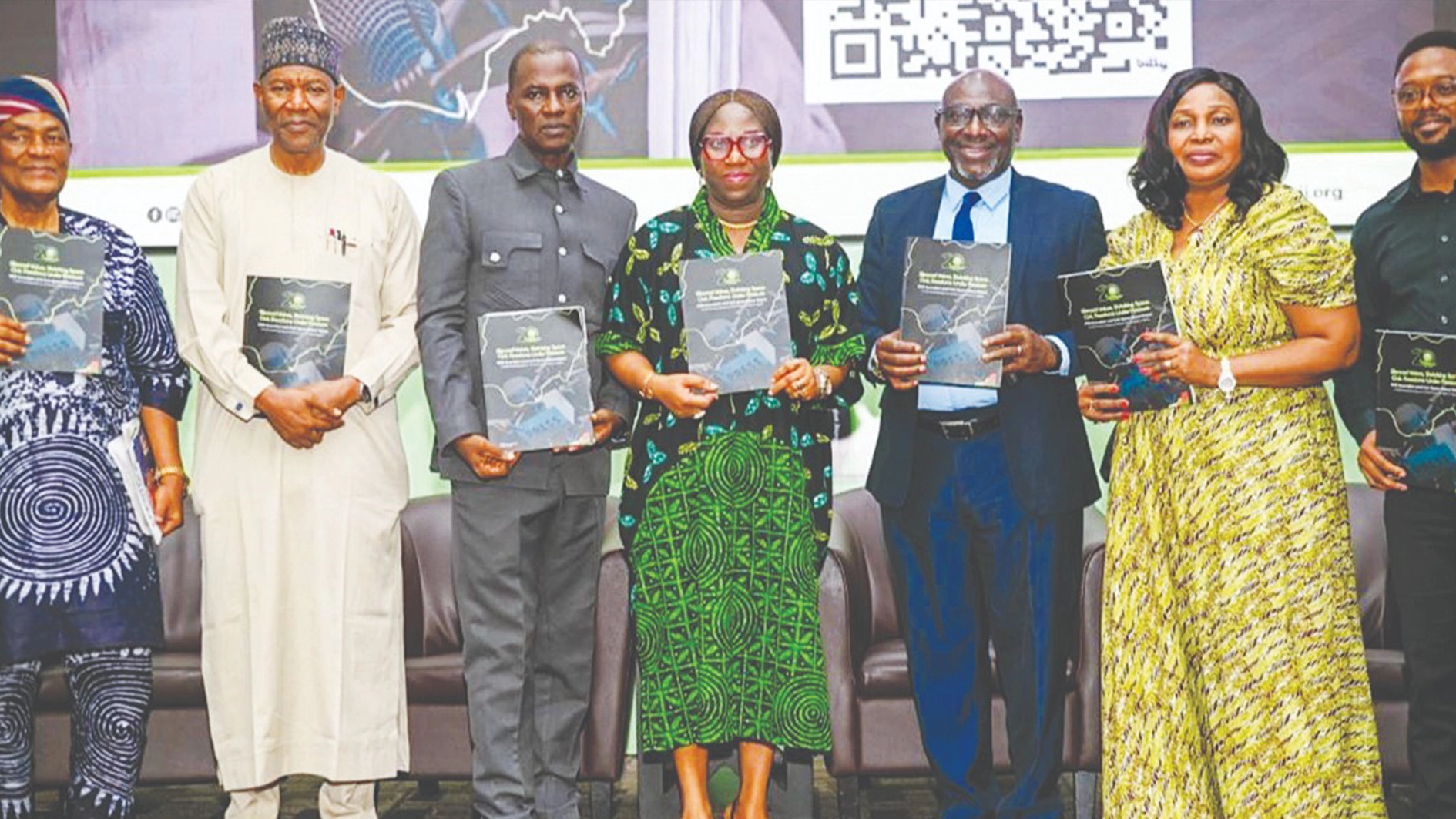
In line with the United Nations Sustainable Development Goals on gender inclusion, the International Press Centre (IPC) and Ellen Johnson Sirleaf Presidential Center (EJS Centre) have called on journalists to eschew stereotypes, but continue telling authentic stories about women
They gave the charge at the recent Nigerian edition of, ‘Reporting on leaders: See her, hear her, cover her’ held in Lagos. The three-day event brought together journalists, media and experts on gender-sensitive reporting.
In her speech, Communications Officer EJS Centre, Noella Ngunyam, urged participants to examine existing media coverage and consider what more meaningful reporting of women in public leadership could look like.
On his part, Executive Director of IPC, Lanre Arogundade, noted, “our women’s leadership and participation, gender-sensitive journalism should translate into more rigorous, substantive and impactful reporting of political and electoral processes.”
Arogundade added journalism’s responsibility is to ensure that women are recognised, not merely as subjects of coverage, but as decision-makers, experts, agenda-setters and holders of power.
Head of Digital at News Central TV Kathleen Ndongmo facilitated discussions on how women public leaders are positioned, framed and recognised in media coverage.

Participants interrogated key dimensions of reporting, including centrality, leadership in action, authority and expertise, structural context, language and tone, as well as digital amplification and risk.
The second day witnessed a multi-perspective panel on women leaders in public spaces, which brought together voices from journalism, digital media, feminist media advocacy and women journalists to examine how women leaders are represented across online and offline platforms—and how coverage can be strengthened to give greater weight to leadership, expertise, agency and public record.
During the third day, participants explored what journalism should stop doing and start promoting when covering women public leaders, while discussions on coordinated action highlighted the role of partnerships and collective newsroom responsibility. The training concluded with a 90-day accountability mechanism designed to keep commitments alive.
About 35 senior reporters, beat-professionals, alongside representatives of the Nigeria Association of Women Journalists (NAWOJ), the Nigeria Union of Journalists (NUJ) and the Guild of Corporate Online Publishers (GOCOP), as well as experts working at the intersection of media and gender gathered for the event.

