 Follow Us on Google News
 Follow Us on Google Discover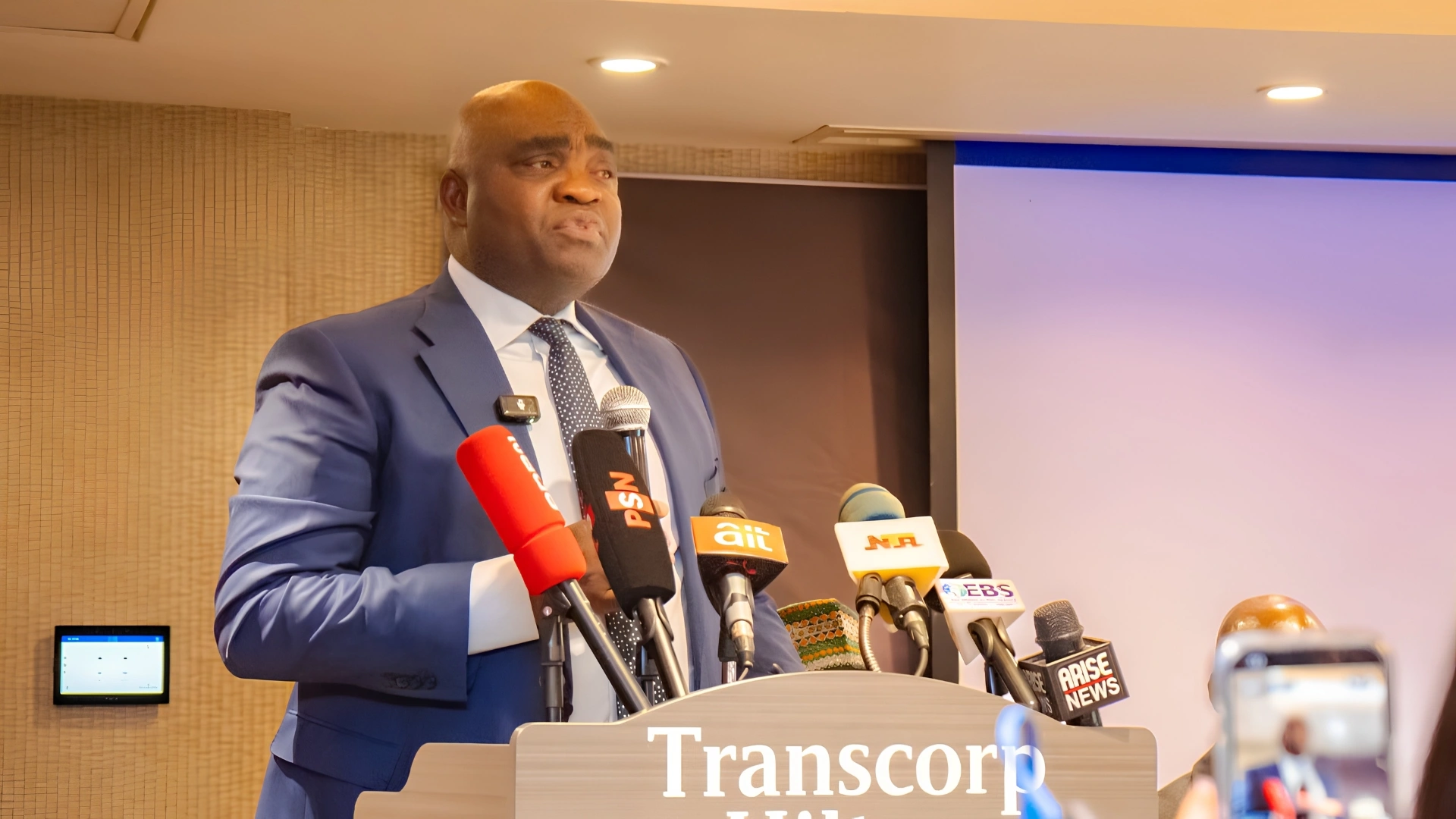
The International Committee of the Red Cross (ICRC) and the Médecins Sans Frontières (MSF) have raised alarms over incessant attacks on hospitals in the Northeast region of the country.
The health agencies said the continued attacks have disrupted healthcare delivery services in conflict-affected states of Borno, Adamawa and Yobe.
The health organisations said attacks on hospitals, medical personnel and other healthcare facilities are undermining access to lifesaving treatment for civilians and wounded people.
Representatives of ICRC and MSF spoke on Thursday during a webinar titled “Health Care Under Attack, From Evidence to Action.”
The ICRC Legal Adviser at its headquarters, Ms Supriya Rao, said international humanitarian law specifically protects medical personnel, facilities, and transport.
She said the Geneva Conventions and their Additional Protocols required parties to armed conflicts to protect wounded and sick people and ensure medical missions could function.

According to her, hospitals were presumed to be protected, while the circumstances under which they could lose that protection were “narrow and exceptional.”
Rao added that the principles of distinction, proportionality and precaution remained applicable in military operations.
She said the Global IHL Initiative, launched in 2024, had attracted 118 states, while more than 160 states had participated in consultations aimed at strengthening the protection of healthcare.
“Nigeria, Pakistan, Spain and Uruguay are co-chairing the initiative’s hospital-protection workstream,” she added.
On her part, MSF International Regional Humanitarian Representative for the Middle East and North Africa, Ms Reem Mougheith, said the continued attacks showed that existing commitments had yet to translate into adequate protection on the ground.
She recalled the 2015 bombing of an MSF trauma centre in Kunduz, Afghanistan, which killed 42 people, including 14 MSF staff.
Mougheith also referred to an attack on Jabal Ahmed Hospital in South Lebanon, saying Ministry of Health figures recorded four deaths and 127 injuries, including 39 hospital workers.
She said the attack damaged the intensive care unit and disrupted surgical and radiology services.
According to her, healthcare services had similarly been disrupted in Sudan and Gaza, leaving medical teams unable to provide uninterrupted care to patients.
She said such incidents could have consequences beyond the immediate casualties, as damage to hospitals and medical equipment could prevent patients from receiving critical treatment.
Mougheith called for independent investigations into attacks on healthcare facilities and meaningful accountability for violations.
She said merely documenting attacks was not enough, urging parties to armed conflicts to respect international humanitarian law and protect healthcare workers, patients and medical facilities.
She added that healthcare workers should be able to provide essential services without having to choose between treating patients and protecting themselves from further attacks.

