 Follow Us on Google News
 Follow Us on Google Discover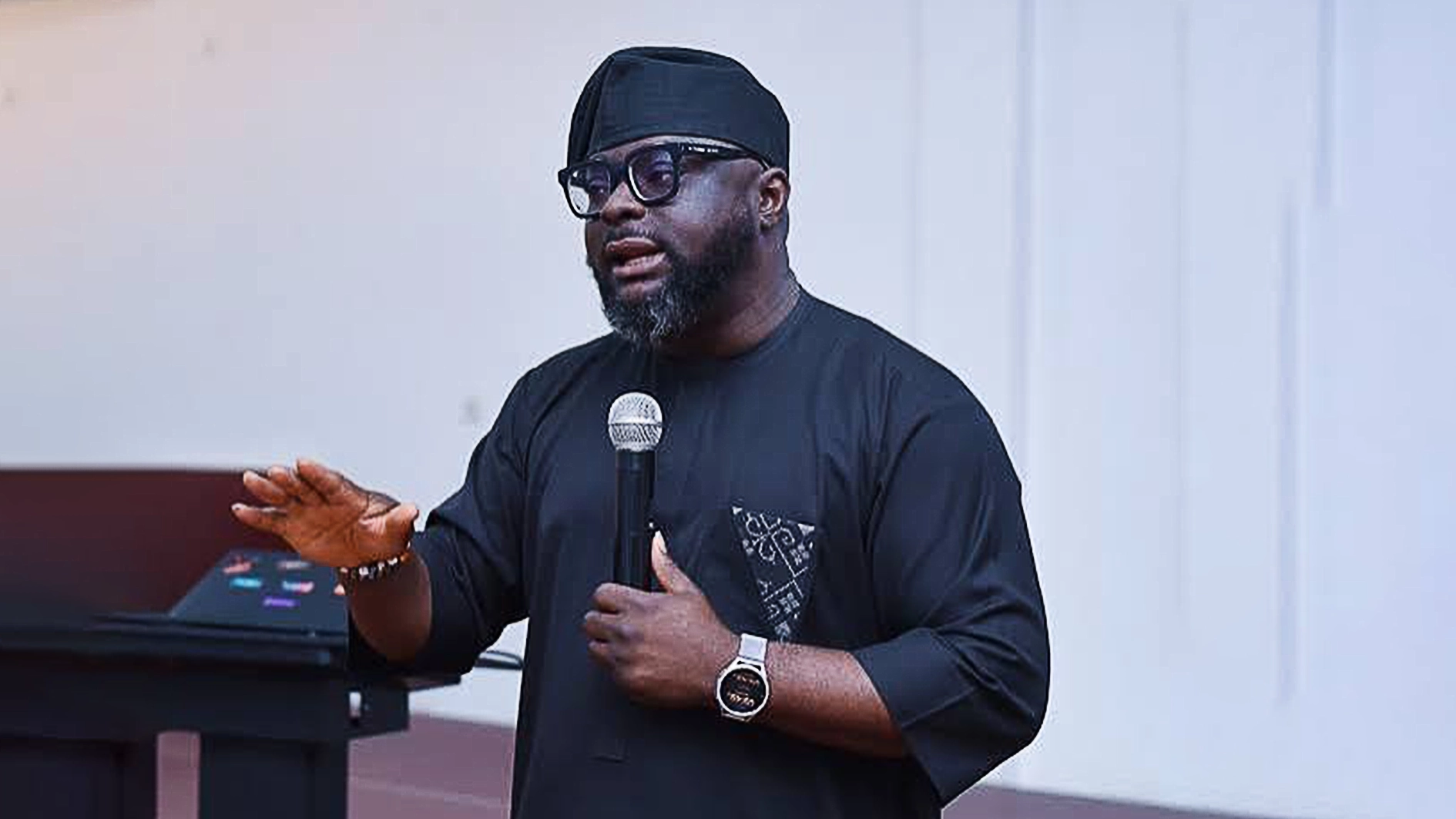
As Nigeria moves to harness artificial intelligence to tackle some of the country’s most persistent healthcare challenges, experts have warned that the technology must not be allowed to outpace regulation, evidence and patient safety.
They emphasized that Nigeria must build local models, strengthen regulation and put patient safety at the centre of AI adoption in the health sector.
At a media chat organised by the Africa Hub for Innovation & Development (AHFID) ahead of the Artificial Intelligence in Health Summit 2026, scheduled to hold on 19–20 October 2026 in Abuja, the Founder and Chief Executive Officer of AHFID, Dr Kunle Kakanfo, said the country could use AI to help address critical gaps in its healthcare workforce, improve diagnosis and expand access to care.
Kakanfo however, stressed that artificial intelligence would not replace doctors or solve Nigeria’s healthcare crisis on its own.
He stated that AI could help improve efficiency and access, but say the technology must be developed and deployed within a clear regulatory framework.
Kakanfo noted that AI-powered computer vision could assist with tuberculosis screening by analysing chest X-rays, potentially helping to ease the pressure created by shortages of radiographers and radiologists.
He pointed out that the country records an estimated 510,000 tuberculosis cases annually, making Nigeria one of the countries with the highest TB burden globally and the highest in Africa.

Kakanfo also highlighted the continuing dependence on out-of-pocket healthcare spending, saying more than 70 per cent of Nigerians still pay for healthcare directly from their pockets.
One of the most striking revelations from the briefing was that AI adoption in Nigerian healthcare may already be further advanced than official policy suggests.
Kakanfo said doctors were already using generative AI tools, including ChatGPT, to support aspects of their work.
“Doctors in our hospitals are using AI right now,” he said, adding that a study had indicated high levels of ChatGPT use among doctors.
That development, he argued, makes the creation of governance frameworks and professional safeguards urgent rather than optional.
The central question, according to the organisers, is no longer whether AI will enter Nigerian healthcare, but how it will be used, who will regulate it and how patients will be protected.
Another major concern is the country’s dependence on AI models trained largely on foreign datasets.
Kakanfo said imported systems could work in Nigeria but might not always produce the most accurate results because they were developed using data that did not adequately represent Nigerian or African populations.
He called for greater investment in locally generated health data and Nigerian-owned AI models.
Among the projects highlighted is an initiative in hospitals in the Federal Capital Territory to collect cough sounds that could eventually be used to develop AI models for tuberculosis detection.
The organisers said similar approaches could potentially be investigated for other conditions, including neonatal sepsis.
The objective, Kakanfo said, is to move from simply importing AI tools to developing technology based on African realities and data.
Also speaking, senior technical adviser to the Director-General of the Nigeria Centre for Disease Control and Prevention (NCDC), Dr Abiola Oshunniyi said Nigeria needed to bridge the gap between the country’s growing technology ecosystem and its healthcare needs.
He noted that discussions around AI should feed into existing health policies, legislation and national planning.
Oshunniyi said the country could also use AI for areas such as disease surveillance, predicting outbreaks and improving the preparation of medical countermeasures.
He argued that Nigeria should create pathways through which locally developed health technologies can be evaluated, adopted and scaled by government.
The goal, he said, should not merely be to develop Nigerian solutions but to ensure they meet international standards and can eventually be deployed elsewhere in Africa.
For Liss Yori, technology law counsel at AHFID/AI4SID and coordinator of the summit, the most important issue is the patient.
She warned that the rapid development of AI applications could create risks if developers prioritised technological innovation without adequate safeguards for patients’ data, privacy and welfare.
“When we have the use of AI, we know that it can go either ways,” Yori said, stressing the need for responsible and ethical deployment.
The summit is therefore expected to examine issues including AI regulation, data sovereignty, validation of medical AI tools, synthetic data, federated learning and procurement standards.
The organisers also want government agencies and private healthcare providers to have clearer procurement pathways so they are not locked into imported technologies that may not be adequately suited to Nigeria.
A national roadmap in sight
The summit is being positioned as more than another technology conference.
According to the organisers, its intended outcome is a national roadmap for AI and healthcare, alongside policy recommendations and commitments from participating organisations.
Government agencies, technology institutions, healthcare stakeholders and development partners are expected to participate, with organisations including WHO, UNICEF, GIZ and the Clinton Health Access Initiative involved in supporting aspects of the initiative..
During the Artificial Intelligence in Health Summit, health professionals, technology experts, regulators, government agencies and development partners are expected to examine how AI can be safely deployed across Nigeria’s health system.

