 Follow Us on Google News
 Follow Us on Google Discover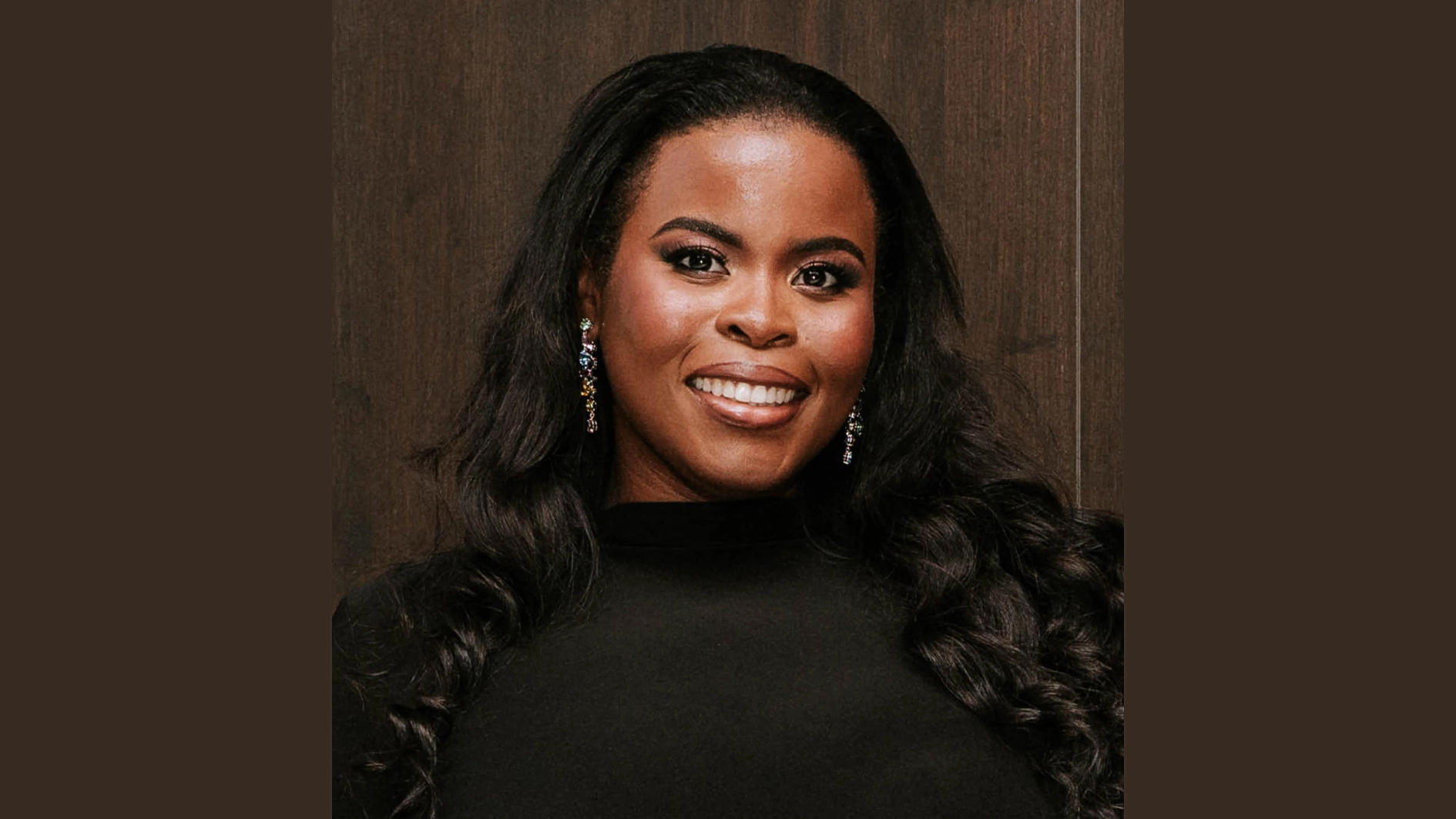
Oluwadamilola Oyenekan has spent over seven years building a Silicon Valley career across regulated medical technology and Artificial Intelligence (AI) in medical imaging, including roles at Medtronic and Google Health. In this interview with SUNDAY AIKULOLA, she speaks on how AI can transform healthcare and what doctors can do with the right infrastructure and technology.
Can you share your opinion about AI and the future of telemedicine?
Telemedicine is how you digitise or provide virtual healthcare delivery. For instance, you can be on a video call with your doctor without going physically. It’s a good way to deliver healthcare especially in low and middle income countries. But we must take into account connectivity issues. We need to find a balance on how we can integrate Artificial Intelligence (AI) into telemedicine.
But before you deploy AI, it must be validated and tested. AI will help transform and revolutionise healthcare. Doctors leverage AI to aid diagnosis of patients, whether through ultrasound medical imaging or leveraging you to understand the guidelines.
In Nigeria where there is shortage of healthcare professionals, AI could really help. To address challenges of AI, there should be guard rails. When you are designing the architecture of your products, what kind of governance architecture have you put in place to ensure that risks of the use of AI is taken into account? So you design the product with the risk in mind. You may not have 100 per cent safety, but you are getting close to 90 per cent to ensure that what you are deploying in the field has been vigorously tested and validated against the population before deploying. So, I will say avoid deploying AI tools without validation and testing.
From Lagos to Silicon Valley, what are the challenges you confronted?

The challenges you face is like you are the only one that looks like yourself in the room. Being able to adapt to the settings is very important in Silicon Valley. In Lagos, everybody looks like me, very comfortable. In Silicon Valley, they like people who can deliver. As long as you can build, people respect you. So, it’s beyond where you come from. We have a lot of immigrants here. Even Elon Musk is an immigrant from South Africa.
What is your advice to Gen Z’s and upcoming medical professionals?
Gen Z’s must think outside the box. You don’t have to follow the same path as everyone. Get your degree and follow your career path. For instance, I built a career track for myself and if you look at my Curriculum Vitae, there is sequence. You need to sit down and reflect where you want to see yourself in 10 years time. If you look at what everybody is doing, you are doing yourself a disservice because you must be able to form your own path. Gen Z’s must also learn to take feedbacks. Some feedbacks are good, while some are not. So, you must be in tune with your own vision. If you know your path, you know what feedback to take and the one not to take.
There are issues around brain drain in Nigeria; how can this challenge be addressed?
I did my internship at Lagos State University Teaching Hospital (LASUTH), and I noticed it would be incredibly difficult for even the best doctors to deliver optimally when the infrastructure is lacking. That was also what drew me into technology and engineering because without the foundation and the right infrastructure, you make it difficult for people that want to deliver healthcare to do their work. If the infrastructure is strengthened, you make people’s job a little easier for them. Government should work on developing better infrastructure. They must also supplement the pay. When people leave Nigeria, they know how much they will get paid here. They must be paid what they are truly worth in the healthcare sector. Their efforts must be appreciated. If we are able to do that, people will want to stay and help their communities as opposed to coming here. It is very stressful becoming a doctor here, but the stress is alleviated with supplemental assistance from nurses. We also have nurses in Nigeria, but they are so stressed. So, how do we find a balance from paying well to good infrastructure for doctors to deliver healthcare appropriately.
What are your long-term goals?
I’m still in Silicon Valley, California, and I still have a few things that I want to accomplish. I want to continue to make a name for myself in medical technology and AI space but I also see myself building a research organisation specifically in Africa, leveraging transformative AI tools. I’m looking at bringing global health and Africans together to help advance health innovation, enabling Africa to participate. We’ve been known to be at the receiving end of already developed technology solutions. I think we need to flip things a bit. We need to be part of developing the solutions from the beginning. There is also need for capacity building, that is, training people in Africa on how to use these tools.
Can you share your academic background?
I grew up in Lagos, Nigeria. I was born there. I did my elementary school in Sunnydale in Ikeja GRA. After that, I went to Greensprings School, Anthony Village, Lagos. From there, I went for my A levels. I also moved to the U.S. for my university undergraduate degree.
What are the things that you learnt in school that have helped you so far in your career?
Greensprings did a lot in public speaking and communication. In the U.S., you can be very intelligent, but if you can’t communicate very well, you are not going to get very far. At some point, you might be as smart as everybody, but what differentiates you will be the way you present your work and lead people. Leadership is very heavy on communication.
How would you assess the level of health data infrastructure development in Nigeria?
Health data infrastructure in Nigeria is progressing quite well based on my readings because I’ve been very deep in the Nigeria health technology space. The committee they put together, the Nigerian Digital Health Initiative, and other committees have defined architecture that will strengthen the health data infrastructure. Those steps have been very good. But the question is: how do we put them into practice?
I know they have pulled a few of the private players to join them in building this. But I think we need to realistically continue to grow in practice. I think trying to ensure one patient one record through the National Digital Health Architecture (NDHA) is good. Even if they switch hospital, they are able to move with their records, digitising the healthcare records as well in the sense that data can be exchanged from one hospital to another. Beyond that is: how do we take part in data driven solutions, because without our data in those technology, we can’t really use the technology because we must represent our population in the technology that is happening today. There is more practice that needs to be done in terms of deploying these conceptual solutions that have been put in place.

