
 Get Guardian on Google
• NCDC: N10b emergency fund not for Ebola alone, says Nigeria needs N522b in five years
• With no active case, FG rules out travel restrictions, election shift
Africa’s latest Ebola outbreak has killed more than 5,300 people, the vast majority of them in the Democratic Republic of Congo (DRC), according to the continent’s top health agency.
For the World Health Organisation (WHO), deadly outbreaks like the Ebola epidemic raging in DRC show the urgent need to complete an international pandemic treaty.
Meanwhile, the Director-General of the Nigeria Centre for Disease Control and Prevention (NCDC), Dr Jide Idris, said the controversial N10 billion emergency intervention fund approved by President Bola Tinubu was not meant for Ebola Virus Disease (EVD) alone, but to strengthen Nigeria’s preparedness against multiple epidemics.
In mid-May, the DRC declared its 17th Ebola outbreak, a deadly disease transmitted through contact with bodily fluids that causes haemorrhagic fever and has killed more than 15,000 people in Africa over the past 50 years.
According to data shared with AFP by the Africa Centres for Disease Control and Prevention (Africa CDC) yesterday, the recent outbreak, which has spread to other countries on the continent, has killed 5,376 people — 5,372 in the DRC and two each in Kenya and Uganda.

A total of 10,444 cases have been confirmed, with a fatality rate of more than 50 per cent.
The virus has crossed borders several times in recent months. Neighbouring Uganda recorded 20 cases, almost all involving people who had travelled from the DRC, before being declared Ebola-free in August.
Last month, Kenya recorded nine infections, marking the first time the country had reported an Ebola case.
That same month, Nigeria, Africa’s most populous country, reported an Ebola case involving a 42-year-old Swiss woman whose husband works at the Swiss embassy in Abuja. The couple had travelled to Uganda before returning to Nigeria.
The outbreak is caused by the Bundibugyo strain of Ebola, for which no approved vaccine or treatment is available.
In recent weeks, clinical trials have begun with the Ervebo vaccine, which has proved effective against the more common Zaire strain of the virus.
WEALTHY countries and developing nations remain at loggerheads over how an agreement, adopted last year as a framework to handle future COVID-like pandemics, will work in practice.
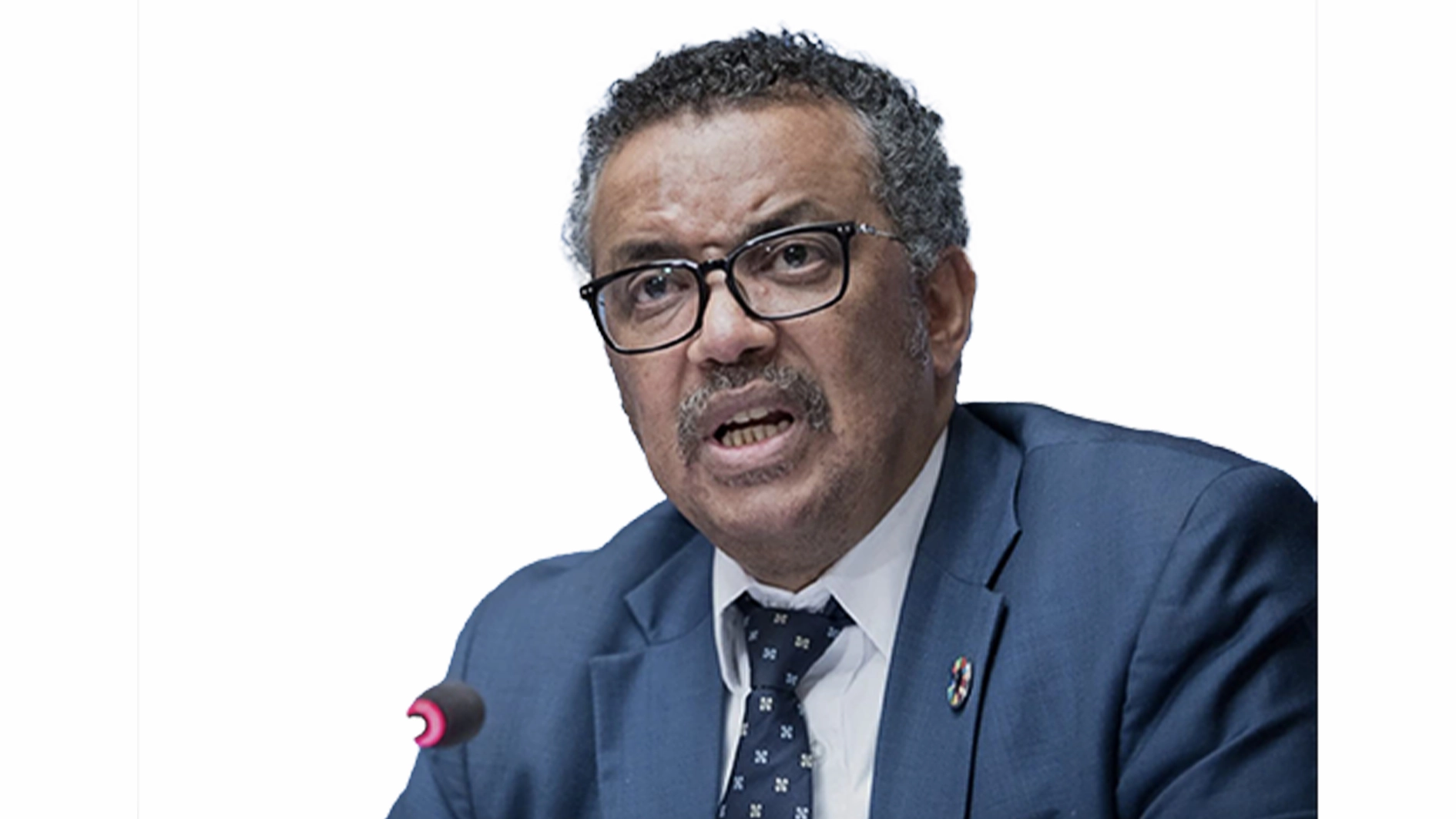
As the ninth meeting towards finalising the deal opened in Geneva yesterday, WHO chief, Tedros Ghebreyesus, called on countries to “finish the job”.
Pointing to recent deadly disease outbreaks, he stressed that completing a pandemic treaty was “about protecting people”.
He stated: “A pathogen threat anywhere can become a threat everywhere, to people of every country,” he said, according to a written version of his statement. “The outbreak of hantavirus earlier this year, and the ongoing Ebola epidemic in DRC remind us of this threat.”
When countries agreed in May 2025 to a Pandemic Agreement, they left out the tricky issue of how the key mechanism would operate to get the deal over the line.
The agreement’s Pathogen Access and Benefit-Sharing (PABS) system governs how to share access to pathogens with pandemic potential, as well as the benefits derived from them, such as vaccines, tests, and treatments.
“PABS is the last remaining piece of our puzzle,” Tedros said.
Completing the final piece of the pandemic treaty, he insisted, is “the key that will unlock the door to a safer future”.
IDRIS, who made the clarification amid growing public debate over the allocation, said the fund was designed to strengthen prevention, preparedness, early detection and rapid response to public health threats, including Lassa fever, cholera, cerebrospinal meningitis, diphtheria, measles, monkeypox and antimicrobial resistance.
He explained that the N10 billion was released directly to the NCDC and not to the Presidential Task Force on Ebola Virus Disease, contrary to some narratives surrounding the intervention.
The NCDC boss, who during a press conference on October 25 told journalists that the N10 billion had not been released to the agency, did not specify when the funds were eventually released.
Stressing that the allocation was inadequate given Nigeria’s growing health security needs, he disclosed that implementing the country’s National Action Plan for Health Security (NAPHS 2.0), covering 2025 to 2029, would cost approximately N522 billion over five years.
He added: “This translates to an average yearly requirement of N104.4 billion, meaning the N10 billion intervention represents only about two per cent of the plan’s average yearly cost.”
According to him, Nigeria, with a population exceeding 240 million, requires sustained investments from the Federal Government, state governments and development partners to adequately protect its population against epidemic threats.
Idris also dismissed calls for the postponement of elections, restrictions on travel or a blanket ban on mass gatherings, insisting that the prevailing situation did not warrant such measures.
According to him, the NCDC has instead developed technical guidelines for organisers of mass gatherings, stressing that strict adherence to infection prevention and control measures would enable public events to proceed safely.