
 Get Guardian on Google
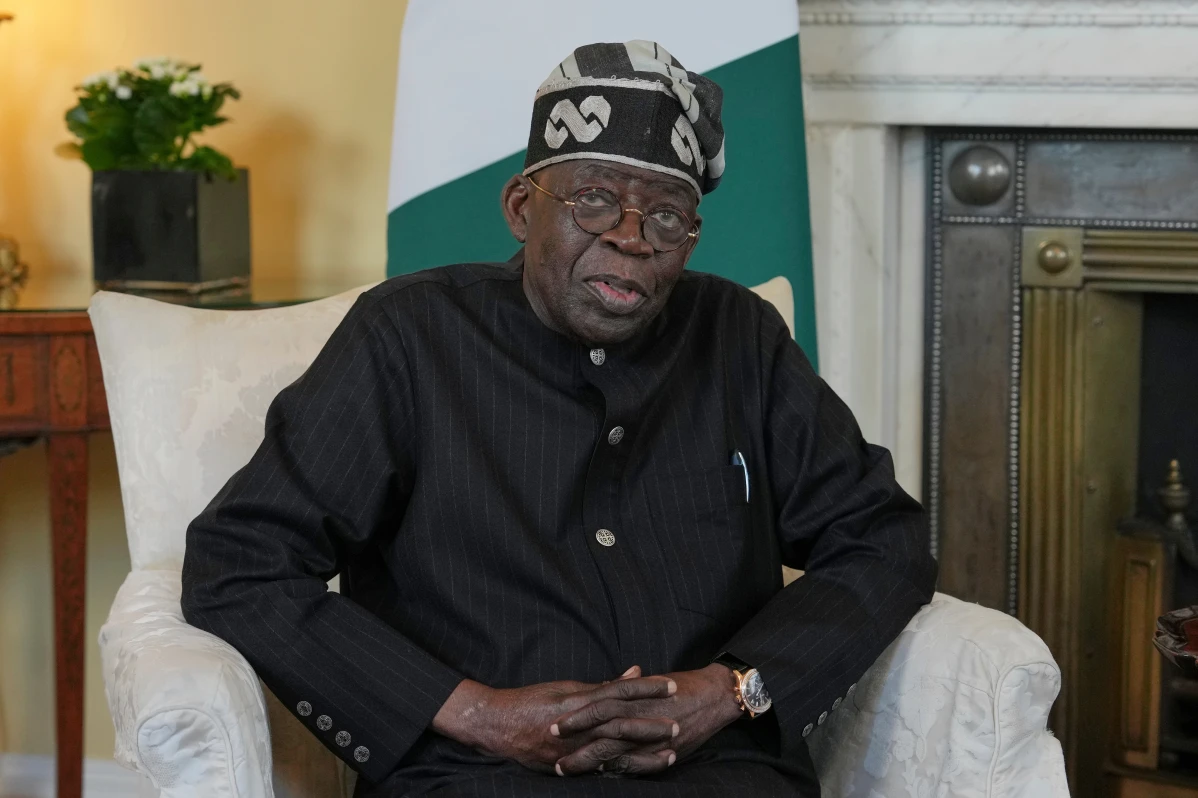
A former Resident Electoral Commissioner (REC) of the Independent National Electoral Commission (INEC), Prof. Sam Egwu, has questioned the accountability surrounding the economic policies of President Bola Tinubu’s administration, including exchange rate unification, fuel subsidy removal, the new tax regime and electricity tariffs.
Egwu said the policies raised fundamental questions about how public decisions were made, the extent to which citizens’ interests were considered, and the mechanisms through which the government accounted for their consequences.
The former INEC commissioner spoke in Abuja at the 20th anniversary lecture of the Resource Centre for Human Rights and Civic Education (CHRICED), with the theme, “Reclaiming Civic Space: The Rule of Law, Democratic Accountability, and the Future of Citizens’ Participation in Nigeria.”
“I would argue that even the policies introduced by the present administration raise serious questions about accountability to the Nigerian people.
“These policies raise fundamental questions about how public decisions are made, the extent to which citizens’ interests are considered and the mechanisms through which the government accounts for the consequences of its decisions,” he said.
He urged Nigerians to scrutinise the Tinubu administration ahead of the 2027 general elections, insisting that citizens must look beyond casting their votes to holding elected officials accountable.

Egwu warned that shrinking civic space, restrictions on media freedom and weak accountability threatened democratic governance in the country.
He said citizens should not wait until election day to participate in governance but should remain engaged, question government policies and demand answers from public officials.
Describing civic space as the bedrock of an open and democratic society, Egwu said its protection was essential to enabling citizens and civil society organisations to organise, participate in governance and express their views without hindrance.
He expressed concern that the enthusiasm that greeted Nigeria’s return to democratic rule in 1999 had gradually diminished amid concerns over democratic freedoms.
The CHRICED anniversary also featured calls for collective action to strengthen democratic governance and ensure that electoral outcomes reflected the will of Nigerians.
Speaking at the event, a board member of the organisation and chairman of the occasion, Dr Dayo Olaide, said making democracy work required the commitment and participation of all citizens.
He said democratic responsibility went beyond voting, stressing the need for Nigerians to speak up, protect their votes and ensure that elected leaders were held accountable.
Earlier, CHRICED Executive Director, Comrade Ibrahim M. Zikirullahi, said the organisation was established 20 years ago in response to citizens’ exclusion from governance, weak public institutions and limited democratic accountability.
He said the organisation had, over the years, focused on civic education, electoral integrity, policy advocacy, social justice and citizens’ empowerment.
According to him, its interventions had also covered empowering women and young people, protecting vulnerable groups and improving access to education, healthcare and other public services.
As part of activities marking the anniversary, CHRICED unveiled two publications, Action Civics Manual for Nigerian Students and Voices of Vigilante.
The celebration was held under the theme, “20 Years of Voice and Justice: Empowering Citizens, Shaping Tomorrow.”
CHRICED Board Chairman, Prof. Momodu Kassim-Momodu, attributed the organisation’s achievements to the support of development partners, stakeholders and communities.
He said the centre had strengthened its work in civic education, community engagement and public dialogue over the past two decades.