
 Get Guardian on Google
Nigeria’s business activity expanded at a slower pace in October 2026, as high operating costs, poor electricity supply and limited access to finance continued to weigh on businesses.
The Nigerian Economic Summit Group (NESG), in its latest Business Confidence Monitor (BCM), said the composite Current Business Performance Index (CBPI) fell to 115.4 points in October from 117.8 points in September.
Although the index remained above the 100-point threshold for expansion, it was lower than the previous month’s reading. However, it was higher than the 111.3 points recorded in October 2025.
The slowdown came despite a moderation in headline inflation to 14.63 per cent in September from 15.39 per cent in August, according to the National Bureau of Statistics (NBS). However, food inflation remained elevated at 19.59 per cent, reflecting the continued pressure on household budgets and consumer spending.
For businesses, lower inflation does not necessarily translate into cheaper production. Rather, it means prices are rising at a slower rate, while the cost of energy, raw materials, transportation and other inputs may remain high.
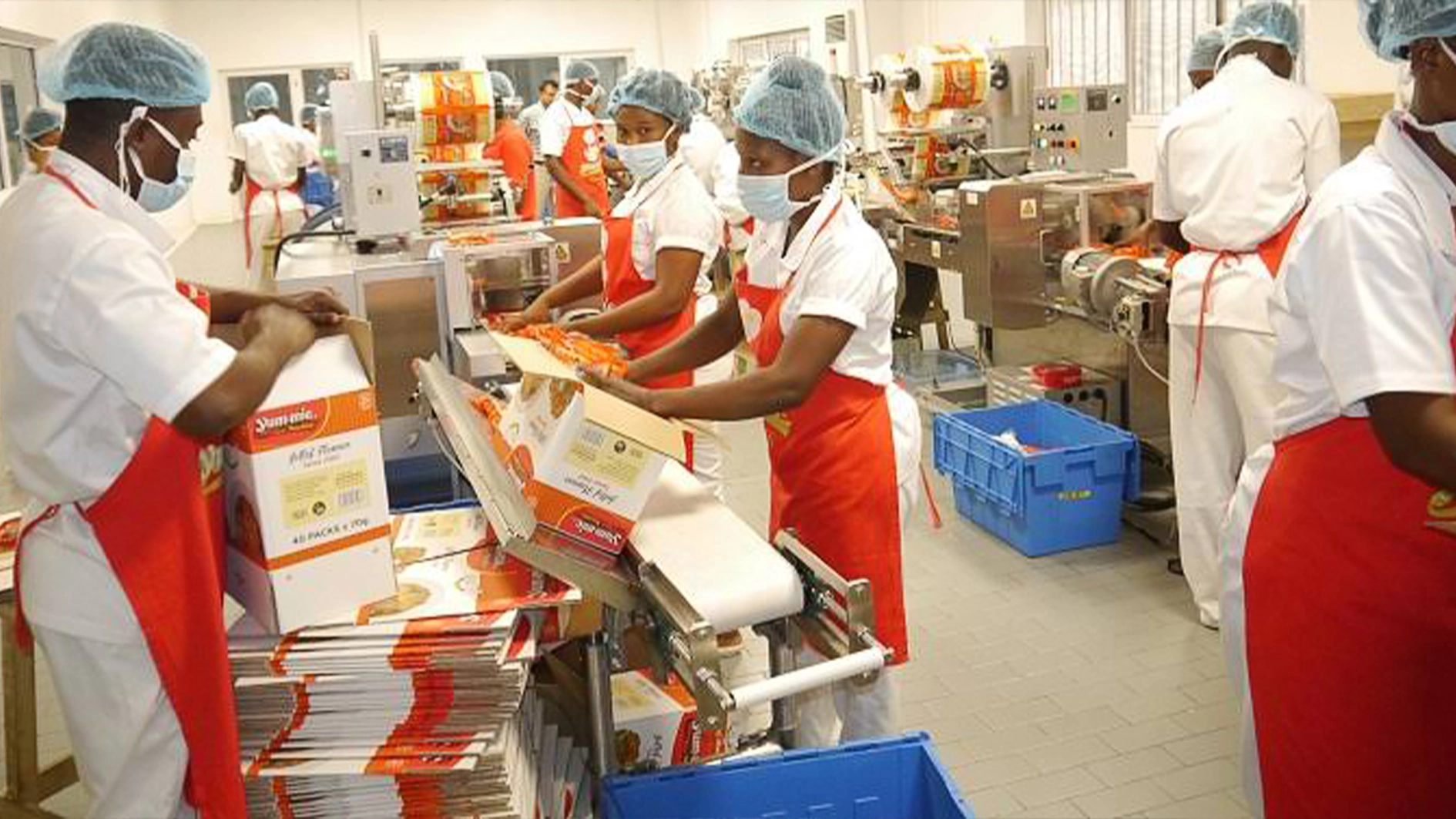
The manufacturing sector continued to face significant energy challenges. Manufacturers Association of Nigeria (MAN) figures showed that operators spent about N1.35 trillion on alternative energy in 2025, up from N1.1 trillion in 2024, as unreliable electricity supply forced more firms to rely on generators and other sources of power.

Energy accounted for more than 40 per cent of manufacturing costs, according to MAN, leaving businesses with less money for raw materials, equipment maintenance, wages and expansion.
The high cost of borrowing also remained a constraint on business investment and working capital, despite the Central Bank of Nigeria’s decision to reduce the Monetary Policy Rate to 23 per cent in September from 26.5 per cent in July.
Against this backdrop, the NESG’s survey showed that all five sectors remained in expansion territory, but only Trade and Services recorded improved performance compared with September. Trade rose to 136.1 points from 128.5 points, while the other sectors expanded at a slower pace.
Most sub-indices also remained above the 100-point threshold but declined from their September levels. These included general business situation, production, demand conditions, investment, operating profit, supply orders, trade stockpiling, access to credit, cash flow and employment.
The export sub-index, however, slipped into contraction territory, falling to 95.1 points from 103.0 points in September. In contrast, the financial results index recovered to 132.1 points from 99.1 points, moving back into expansion territory.
Meanwhile, the cost of doing business and producer prices sub-indices remained below the 100-point threshold at 45.2 and 65.5 points, respectively. Although both improved from 39.2 and 58.0 points in September, their readings indicated that cost and price pressures remained widespread among surveyed firms.
The NESG identified irregular electricity supply, limited access to finance, insecurity, high rental costs and infrastructure deficits as major challenges confronting businesses, noting that these constraints may have contributed to elevated operating costs.
The slowdown highlighted the difficulty businesses face in sustaining growth amid persistent structural challenges, even as broader economic indicators show some improvement.
The BCM is based on a monthly survey of senior managers and executives of businesses operating in Nigeria, which the NESG has conducted since January 2023.