
 Get Guardian on Google
Inadequate data on women’s skills, businesses, and economic activities is limiting the effectiveness of government empowerment programmes and efforts to expand their participation in Nigeria’s economy, the Chairperson of Women in Management Africa (WIMAFRICA), Dr Ngozi Oyewole, has said.
She called for a comprehensive identification of women’s economic activities across the country to enable government and development partners to design interventions that address their actual needs, rather than rely on broad policy commitments.
Oyewole, who spoke at a press briefing yesterday ahead of the maiden African edition of the Women in Management Global Economic Forum scheduled for November 10 and 11 in Lagos, disclosed that her Business Women of Influence initiative was developing a Community Skills Census to identify women across Nigeria’s 36 states, the Federal Capital Territory and local government areas.
She said the exercise would document women’s skills, occupations, businesses and levels of enterprise development, providing information that could guide government policies and development interventions.
The WIMAFRICA chairperson, who is also Vice Chairman of the Industrial Training Fund (ITF) and founder of Commonwealth Business Women Africa, commended the President Bola Tinubu-led administration for initiatives aimed at strengthening women’s economic participation.
She cited skills acquisition programmes through the ITF, inclusive public procurement initiatives and interventions under the Ministry of Women Affairs as efforts towards promoting women’s economic inclusion.
She also welcomed the designation of 2026 as the Year of Families and Social Development, describing it as recognition of the importance of families and women’s contributions to national development.
Oyewole further referenced the Power of 10 Million initiative, which seeks to mobilise women across different sectors and strengthen their economic capacities.
However, she maintained that the effectiveness of these interventions would depend on reliable information to identify beneficiaries, establish their needs and ensure that government policies translated into access to finance, skills, productive assets and sustainable business opportunities.
According to her, inadequate data on women, particularly those operating businesses in rural communities, makes it difficult for policymakers to understand the realities confronting them and develop appropriate support programmes.
She explained that the proposed census would establish grassroots structures to ensure that women in rural communities were not excluded from economic opportunities.
Oyewole said reliable data would enable government and development partners to identify gaps in women’s economic participation, determine the support required by different categories of entrepreneurs and design interventions that respond to their actual circumstances.
She stressed that empowerment programmes should go beyond policy announcements and training exercises to provide women with the resources and opportunities required to establish sustainable businesses and expand existing enterprises.
Beyond the data challenge, she identified access to finance as one of the major constraints confronting women-owned businesses, particularly manufacturers and small enterprises that require working capital to execute contracts.
She explained that some businesses secure purchase orders but lack the funds to procure raw materials, pay workers and meet production costs before receiving payment from customers.
She therefore called on financial institutions to develop financing products that reflect the operational realities of women entrepreneurs, particularly those with confirmed orders requiring short-term funding.
Oyewole also urged government agencies and corporate organisations to make procurement opportunities more accessible to qualified women-owned businesses, improve transparency in contract awards and ensure prompt payment for completed jobs.
She argued that the success of government policies on women’s economic inclusion should be measured by the number of women-owned businesses that successfully bid for and secure contracts, as well as how quickly they receive payment.
On the African Continental Free Trade Area (AfCFTA), she observed that many women entrepreneurs lacked adequate information about rules of origin, documentation requirements and procedures for accessing cross-border markets.
She called for practical education and institutional support to enable women-owned businesses to take advantage of opportunities within the continental market.
Oyewole also identified poor roads and unreliable electricity as major obstacles confronting women engaged in agriculture and rural enterprises.
According to her, inadequate transportation infrastructure and power supply contribute to post-harvest losses, particularly among women dealing in perishable agricultural produce, while increasing the cost of moving goods from rural communities to urban markets.
She said improving rural infrastructure would reduce production and distribution costs, increase the profitability of women-led enterprises and make locally produced food more affordable.
She further called for stronger protection of women’s property rights, noting that cultural practices in some communities continued to restrict women’s ability to own land and other productive assets needed to expand their businesses.
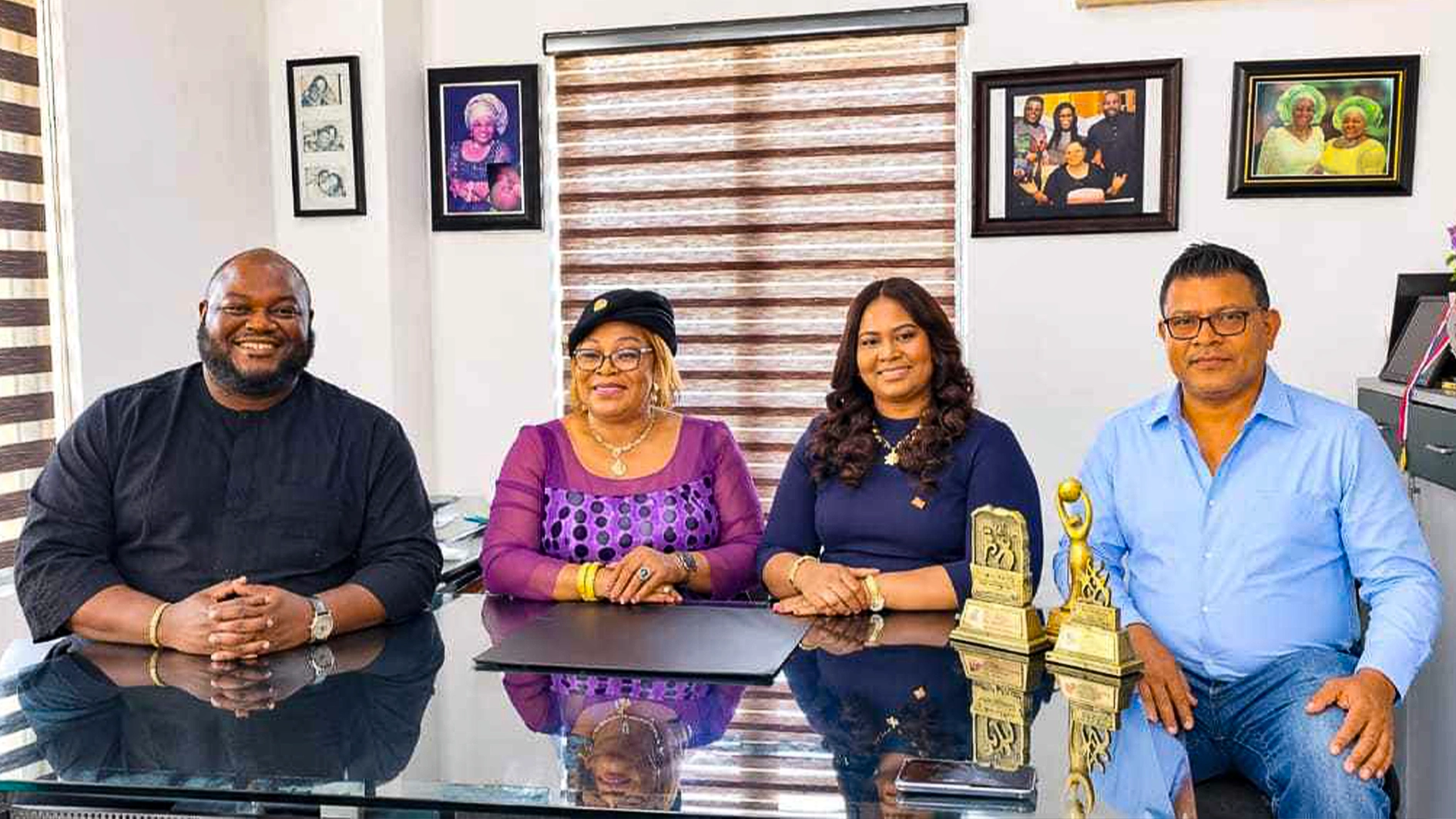
Also speaking, Founder and Chairperson of Women in Management (WIM), Dr Sulochana Segera, said the decision to bring the organisation’s global platform to Africa was driven by the need to recognise African women’s contributions and connect them to international business and investment opportunities.
Segera, who founded WIM 16 years ago in Sri Lanka, disclosed that the organisation now had members and award recipients in 29 countries, providing opportunities for women to collaborate, exchange expertise and develop business relationships across borders.
She said the Lagos gathering would provide an opportunity to showcase African women’s contributions to economic development and connect them with international investors and business leaders.

According to her, the WIM Top 50 recognition platform would go beyond celebrating professional positions and titles to highlighting the talents, resilience, innovations and achievements of women.
Segera said Oyewole’s commitment to bringing the WIM Top 50 recognition platform to Africa provided an opportunity to showcase the continent’s women and demonstrate their contributions to the global economy.
She described Africa as an increasingly important market in the global economy, adding that women were central to unlocking the continent’s economic potential.
“I think only women can change the world. Not that we are putting the men out, but women are the change makers because, at the end of the day, women are the creators,” she said.
She also called for reforms in financial institutions, arguing that women entrepreneurs should be assessed on their business potential and capacity rather than traditional assumptions about their economic roles.
The two-day forum, themed The Power Shift: Women Driving Africa’s Global Economic Influence, will bring together women leaders, entrepreneurs, policymakers and business executives from across Africa and other continents.
Oyewole said the November 10 programme would feature discussions on Africa Trade 2035, AfCFTA, resilient supply chains and the continent’s role in the next decade of global economic growth.
Participants are expected from South Africa, Tanzania, Sierra Leone and other African countries, as well as Sri Lanka, the Maldives, the United Kingdom, the United States, Australia and Singapore.