
 Get Guardian on Google
Firm mulls over 20 fertiliser blending plants to drive Africa’s agricultural revolution
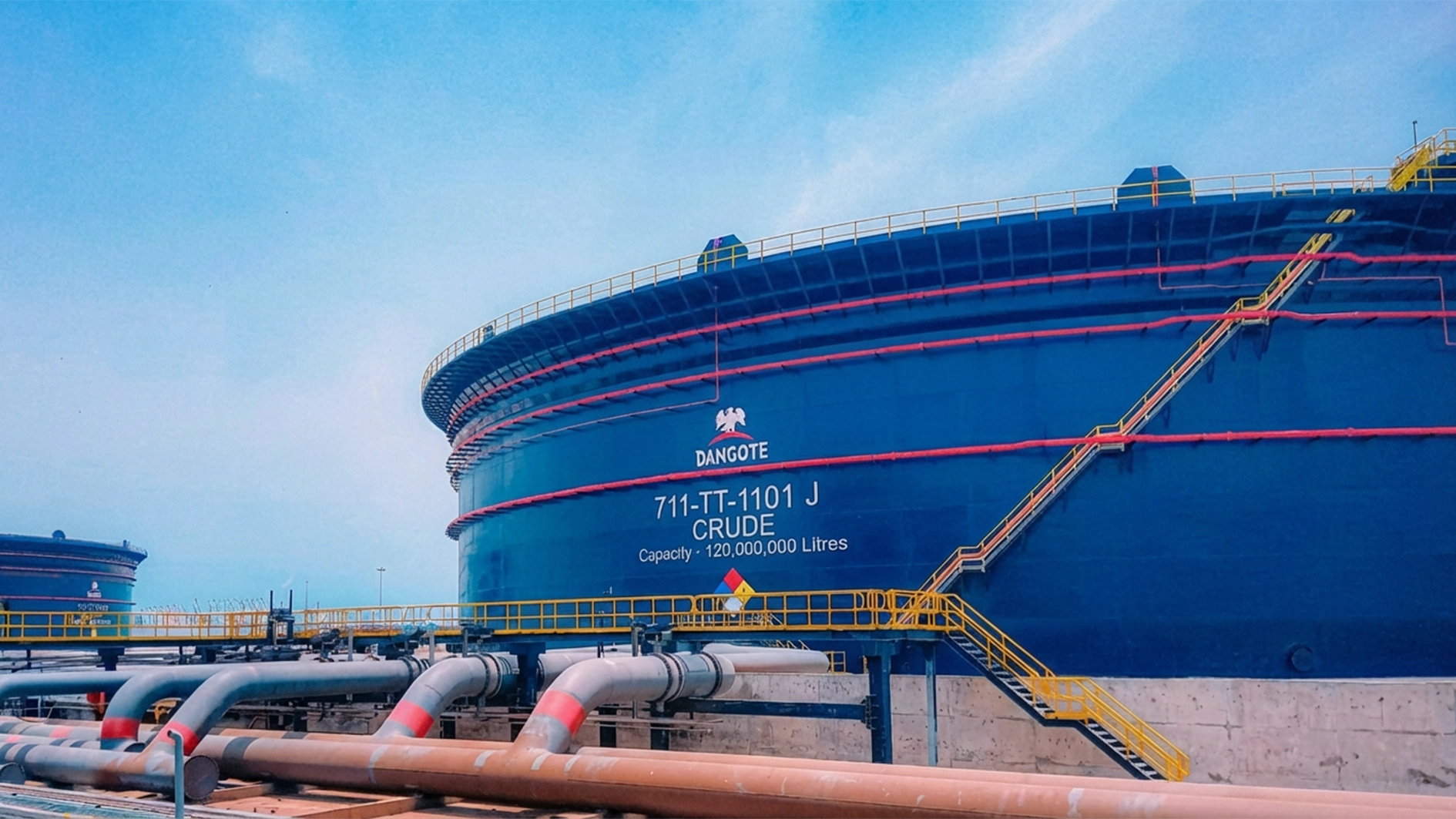
President and Chief Executive of Dangote Industries Limited, Aliko Dangote, has said that over 90,000 people are expected to be working at the group’s Petroleum Refinery & Petrochemicals and Fertiliser operations in Lagos next year, as the group accelerates investments to create jobs, strengthen industrial production and transform agriculture across Africa.
Dangote, who disclosed this in an interview, also unveiled plans to establish 20 fertiliser blending plants in strategic locations across the continent to improve farmers’ access to essential inputs and support year-round supply.
The projects, according to him, form part of an investment programme that could reach $65 billion over four years, spanning refining, fertiliser, petrochemicals, power, pipelines and other businesses.
“The refinery expansion is huge. By next year, we expect to have almost 90,000 people working on the refinery and fertiliser projects in Lagos,” he said.
Dangote said creating opportunities for Africa’s youthful population was a central motivation for the group’s expansion, stressing that the continent needed more factories and greater domestic production to meet its growing needs.
“My biggest concern is job creation in Africa. We have a very youthful population, and we are not creating enough jobs. We must push harder to create opportunities and keep our young people productively engaged,” he further stated.

Dangote, who stated that the refinery expansion will add another 700,000 barrels per day of processing capacity, taking the planned total to about 1.4 million barrels per day, alongside additional petrochemical facilities and infrastructure, outlined a fertiliser expansion programme designed to help turn Africa’s agricultural potential into greater production, more reliable food supplies and economic opportunities.
He disclosed that the group was working towards nine million tonnes of urea capacity, with plans for 1.2 million tonnes of diammonium phosphate, DAP, and one million tonnes of NPK blending capacity in Lagos.
Dangote said the objective was to ensure that farmers in countries hosting the group’s operations, as well as neighbouring markets, could obtain fertiliser when needed, without the uncertainty associated with lengthy import and delivery processes.
He linked the programme to his determination that Africa should build the capacity to meet its own agricultural input requirements, rather than remain vulnerable to disruptions in international markets.
He, however, expressed confidence that sufficient access to gas would enable much larger expansion in fertiliser production.