 Get Guardian on Google
Nigeria’s ambition to grow its economy to $1 trillion by 2030 will depend on its ability to attract long-term investment, deepen its capital market and build more well-governed businesses capable of sustaining economic growth.
Besides, the country needs over $100 billion yearly to address its infrastructure deficit, while long-term foreign direct investment accounts for less than 1.3 per cent of investments discussed in the capital market, according to founder and chief executive officer of JNC International, Clare Omatseye.
Speaking at the Business Meets Government Dinner of the 2026 yearly Directors Conference of the Chartered Institute of Directors Nigeria (CIoD), she said about 95 per cent of investments were portfolio investments, stressing the need to attract patient capital rather than short-term funds.
She said Nigeria’s economy was valued at about $387 billion and needed to grow 2.8 times its existing size within four years to reach the $1 trillion target.
Omatseye said 11 companies controlled 75 per cent of the market, while about N2 trillion was raised by just 30 companies, arguing that Nigeria needed hundreds of well-governed medium-sized businesses to deepen the stock exchange.
She urged development finance institutions, including the Bank of Industry and Development Bank of Nigeria, to support the growth of small and medium enterprises into larger businesses.
She identified N31 trillion in pension assets and improved bank capitalisation as domestic resources that could support economic development, while calling for predictable policies, reliable disclosures, enforceable contracts and board accountability to build investor confidence.
She also urged the CIoD to increase the number of directors, develop younger board members and improve women’s representation on corporate boards.
“That’s what we need to do to be able to create the kind of governance that will look after the capital that’s coming. Then the money will flow,” she said.
On sustainability, she said businesses must treat environmental, social and governance considerations as part of their strategy, identifying climate risks, energy reliability, water recycling, workforce resilience and supply chain management as issues boards must consider.
She also called for stronger public-private partnerships to attract investment into critical sectors.
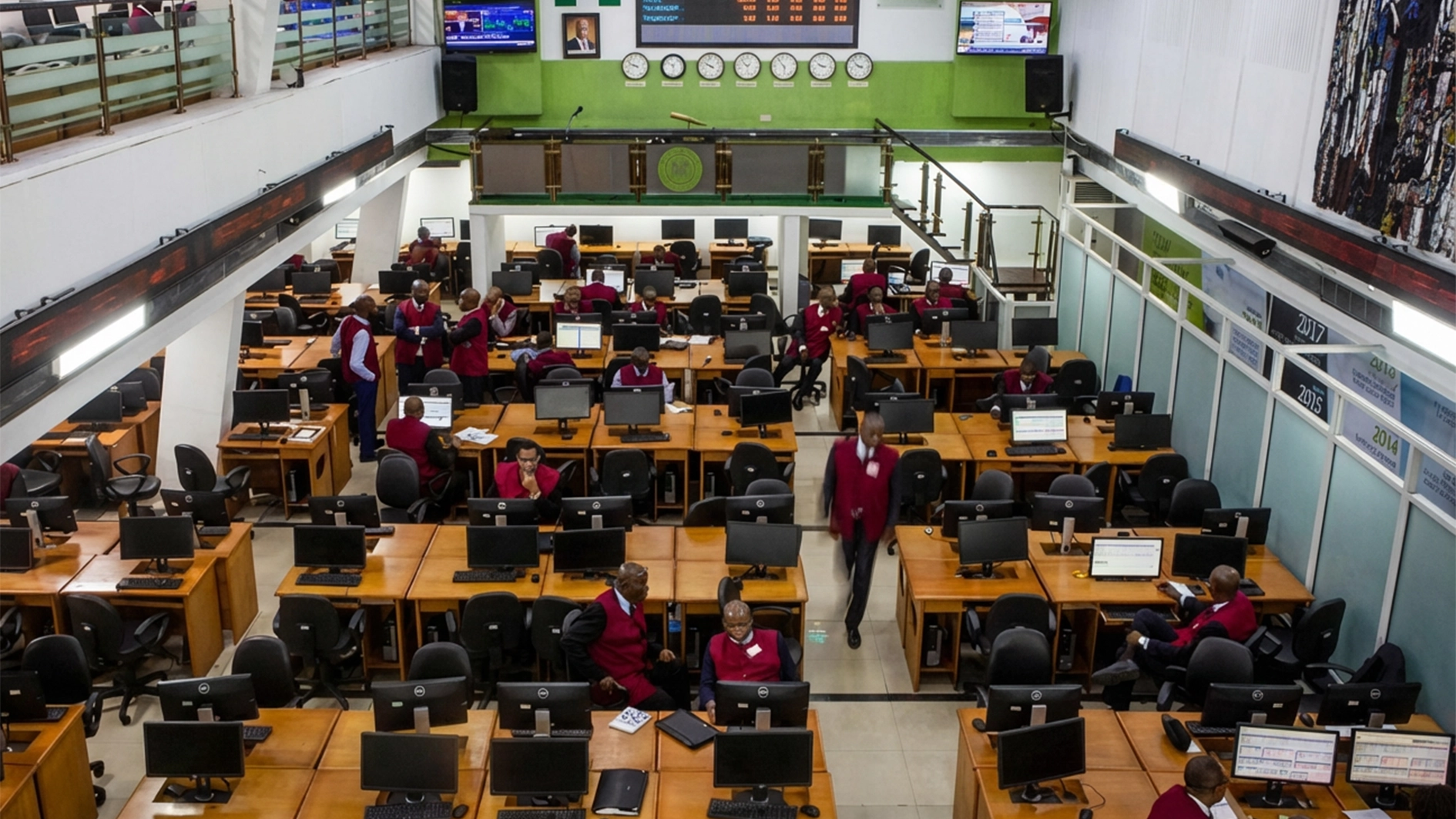
The Chairman of Nigerian Exchange Group, Dr Umaru Kwairanga, said market capitalisation had risen from less than N30 trillion at the beginning of the current administration to over N162.5 trillion, with a target of N250 trillion before the end of December.
He said building a $1 trillion economy required sound corporate governance and long-term capital, adding that funding institutions must demonstrate high governance standards to assure investors that their funds were safe.
Earlier, the President of CIoD Nigeria, Adetunji Oyebanji, said Nigeria’s economic stabilisation must translate into relief for citizens and businesses, noting that food inflation remained nearly 19.6 per cent despite the moderation in headline inflation.
He said headline inflation had eased to 14.63 per cent in September 2026 from over 20 per cent a year earlier, while the Central Bank of Nigeria had reduced the monetary policy rate by 350 basis points, from 26.5 to 23 per cent.
Oyebanji said elevated borrowing rates and persistent infrastructure deficits continued to constrain small and medium enterprises, calling for policy consistency and accelerated infrastructure delivery in power, transport and digital connectivity.
The Chairman of the Conference Planning Committee, Dr Waheed Olagunju, said government decisions to liberalise, deregulate, commercialise and privatise sectors of the economy had encouraged investment and created employment opportunities.
Citing telecommunications, he said the auction of GSM licences in 2001 attracted foreign investment. He also referred to developments in internet banking, e-commerce and financial technology as changes witnessed in the economy.
Representing Lagos State Governor Babajide Sanwo-Olu, the state’s Head of Service, Bode Agoro, said neither government nor the private sector could deliver lasting prosperity working in isolation.
He said the state’s investments in critical sectors were intended to improve productivity, attract capital and make it easier for businesses to expand and create employment.
Agoro urged corporate boards to strengthen local industries, develop regional talent, support smaller businesses and prepare for technological change. He also called for greater opportunities for young people to acquire relevant skills and participate in emerging industries.