 Get Guardian on Google
Despite the deliberate effort to design and structure tourism for all, persons with disabilities, women, rural and indigenous communities, youth from marginalised backgrounds, and populations in conflict-affected areas are traditionally excluded from tourism both as travellers and as beneficiaries of the economic gains it generates.
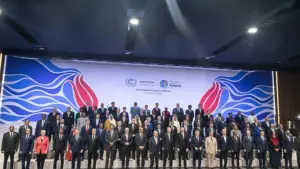
This was the thrust of discussion at the 7th World Forum on Intercultural Dialogue held recently in Baku, Azerbaijan under the theme “Dialogue for a shared future: Building bridges in a fractured world”. The dialogues showcased diverse initiatives from different parts of the world, focusing on practical, community-led approaches.
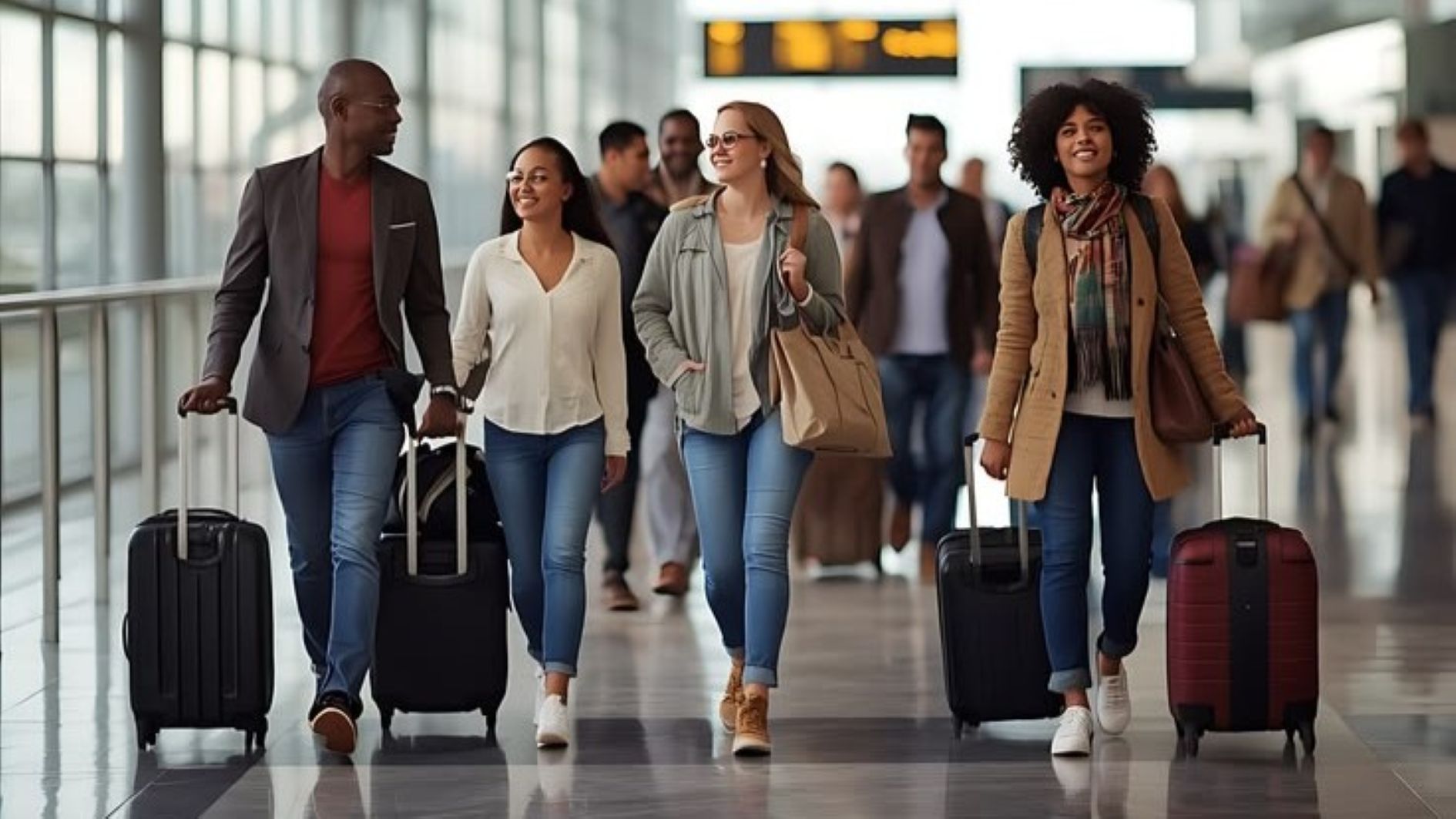
Report shows that the global tourism industry serves over 1.5 billion travellers crossing international borders annually. Yet, for hundreds of millions of people, meaningful participation in tourism remains out of reach.
Evidence increasingly shows that when tourism is intentionally designed around inclusion, accessibility, and gender equality, it does far more than broaden market reach. It becomes a vehicle for social cohesion, community empowerment, economic prosperity, and ultimately, peace.
When women lead tourism enterprises, they reinvest in families and communities. When persons with disabilities can travel without barriers, their full potential is affirmed by society and the income they generate within destinations. When indigenous and rural communities are the protagonists of their own tourism development, their cultures are preserved and their voices amplified.
When all of this happens together, societies become more resilient, more equitable, and less prone to the exclusion and grievance that actually fuel conflict.
On their part, the United Nations Educational, Scientific and Cultural Organisation UNESCO, at the event showed how intercultural dialogue fosters peace when embedded in government policies.
At a special session, UNESCO’s Youth for Peace programme participants shared how they build trust and turn dialogue into community action.
This thematic dialogue across the session of the event showcases transformative projects from different parts of the world where tourism grounded in wider social purpose has contributed measurably to positive peace, inclusion, and community well-being.
The session explored tourism’s potential to advance inclusion, social cohesion and peace building, highlighting how tourism can create meaningful opportunities for participation, strengthen communities and contribute to more resilient and equitable societies.
The event featured an interactive panel that explored key enablers, challenges and lessons learned, and how tourism can foster stronger connections, intercultural understanding and shared prosperity.
By stimulating discussion on the conditions that enable tourism to contribute to positive peace, the session examined the role of community leadership, with particular attention to women, youth, indigenous peoples, rural communities and persons with disabilities.
The discussion was framed by the 2030 Agenda for Sustainable Development, the Sustainable Development Goals (SDGs), and the Global Code of Ethics for Tourism (GCET).
Prof. Marina Novelli, (PhD) Chair, World Committee on Tourism Ethics | Director, Sustainable Travel and Tourism Advanced Centre, University of Nottingham was the Moderator of the event.