
 Get Guardian on Google
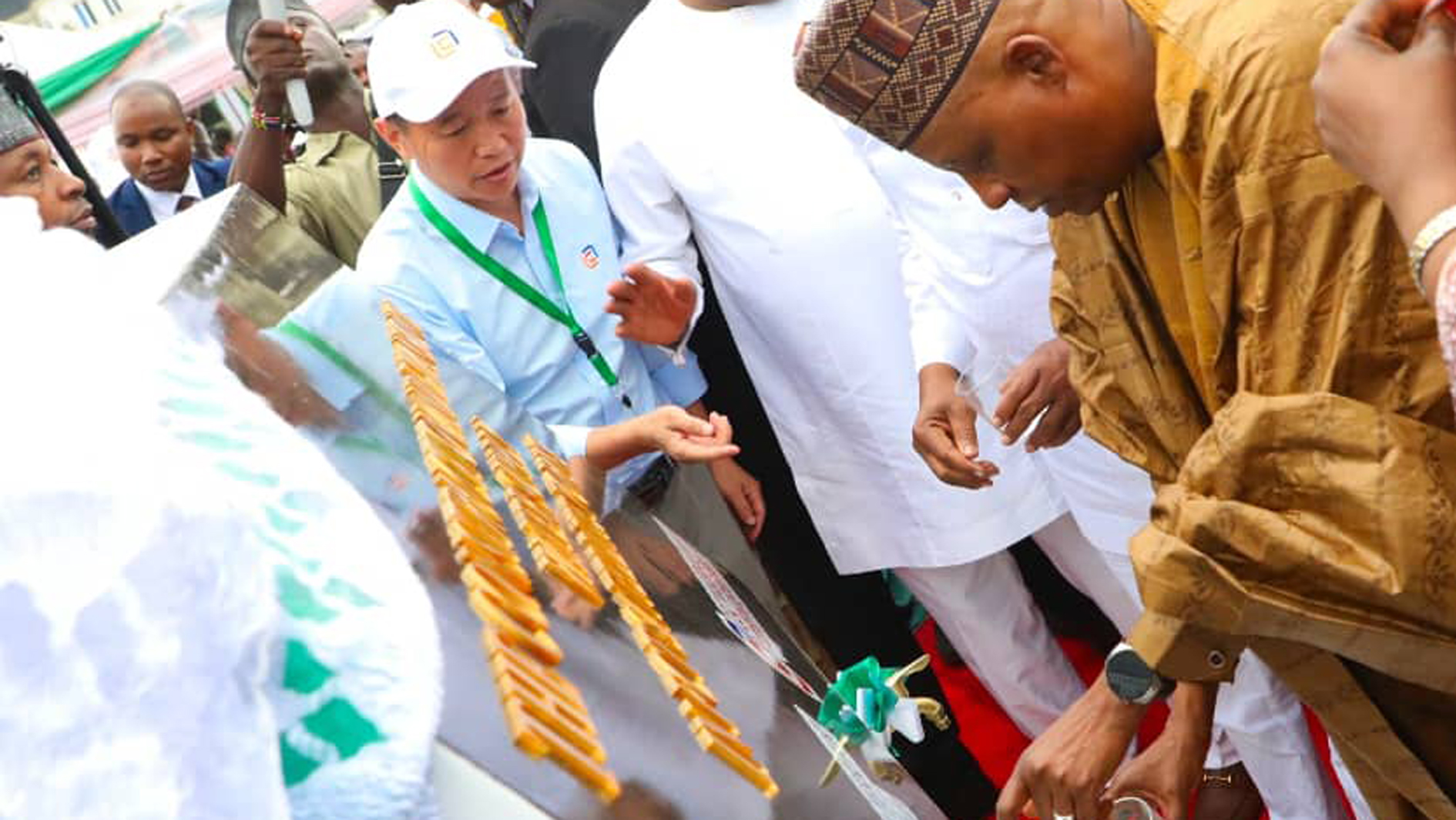
Sir: The commissioning of the Karu Satellite Town Water Supply Network by President Bola Ahmed Tinubu, represented by Vice President Kashim Shettima, on 22 June 2026, was presented as a historic milestone in the provision of potable water to residents of Karu, Orozo, Jikwoyi, Kurudu, and neighbouring communities.
The project, reportedly involving the installation of approximately 190 kilometres of high-density polyethylene (HDPE) pipelines, was celebrated as evidence of the Federal Government’s commitment to ending the neglect of satellite towns and ensuring that access to clean water becomes a reality for ordinary residents.
At the commissioning ceremony, the President was quoted as declaring: ‘Today, we declare that the era of neglect of our satellite towns is officially over.’
These were commendable words, and the project represented a welcome development. Prior to the commencement of the Karu water supply project, the people of Karu have enjoyed water supply from the FCT water board and before the project kicked off in 2025, access to Potable water from the FCT water board stopped sometime in April 2025 leaving residents of Karu at the mercy of private water vendors but five months after the historic commissioning the water taps in Karu and environs remain dry without a drop of water. However, a fundamental question now demands an honest and urgent answer:
What is the actual status of this water supply project, and why are residents of Karu still reporting a lack of reliable access to potable water?
As residents continue to struggle to obtain water for their daily household needs, the disconnect between the public announcement of a completed project and the water available at the point of use raises serious concerns about its operational status, commissioning arrangements, and the effectiveness of its distribution network.
For many households, access to water remains a daily challenge with some families spending as much as N8,000 daily to access water from private water vendors. Families have been left with little choice but to purchase water from private vendors to meet basic needs such as cooking, bathing, washing, cleaning, and sanitation. This places an additional financial burden on residents who already face considerable economic challenges.
Water is not a luxury. It is a fundamental human necessity, essential to public health, sanitation, dignity, and human welfare. Residents should not have to continue paying out of pocket for a basic necessity that a publicly funded infrastructure project was intended to provide. The situation raises important questions about public infrastructure delivery, the operational readiness of the project and accountability for public expenditure.
Questions the presidency and the FCT administration must answer
In the interest of transparency, accountability, and public service, the following questions deserve clear and specific answers:
What is the current operational status of the Karu water supply project? Has the entire network been commissioned and made operational, or was the commissioning primarily a formal ceremony pending further technical and distribution works?
Why are residents still without reliable potable water? If the project has been completed and commissioned, what explains the continued lack of dependable household supply in affected parts of Karu?
Has the network been fully connected and tested?
What proportion of the intended communities and households is currently receiving water, and what evidence can the FCT Administration provide to substantiate its claims of service delivery?
What challenges are preventing effective distribution?
Are there outstanding issues involving the reservoir, trunk pipelines, tertiary distribution networks, pumping facilities, electricity supply, water treatment, pressure management, or household connections? If so, what measures are being taken to resolve them?
What is the government’s timeline for reliable water supply?
Residents deserve a definite, publicly communicated schedule for resolving outstanding problems and ensuring that potable water reaches the communities the project was designed to serve.
These are not unreasonable demands. They are legitimate questions from citizens seeking accountability for public infrastructure and the responsible use of public resources.
The approaching dry season makes this matter more urgent
As the dry season approaches, concerns over access to water and the quality of water become even more pressing. Residents cannot afford another prolonged period of uncertainty, rising water-purchase costs, and the difficulties associated with sourcing water for everyday use.
The FCT Administration must recognise that infrastructure is not measured solely by the amount of money spent, the kilometres of pipelines installed, or the prominence of the commissioning ceremony. Its true value lies in whether it delivers the promised service to the people for whom it was built.
A water supply network is only truly successful when safe, treated water is consistently available to the communities it is intended to serve.
Public infrastructure must deliver public benefits. Public expenditure must produce tangible results. And access to potable water must not remain a promise on paper while households continue to pay for water they should be able to access reliably.
The people of Karu are listening. The people of Karu are waiting. The people of Karu deserve answers.
*Bernard Enahoro Obomas is a Concerned Resident and Public Accountability Advocate, Abuja.