
 Get Guardian on Google
The Confederation of African Fashion (CAFA) has reaffirmed its ambition to grow the continent’s fashion economy from an estimated $60 billion to $500 billion by 2036 through promoting and creating opportunities for African designers, artisans and traditional textile producers.
CAFA said achieving the target would require sustained investment in heritage preservation, production capacity, business development and access to wider markets.
CAFA stressed that the development of Africa’s fashion industry must prioritise the people and the entire value chain, whose creativity, craftsmanship and cultural knowledge sustain the sector.
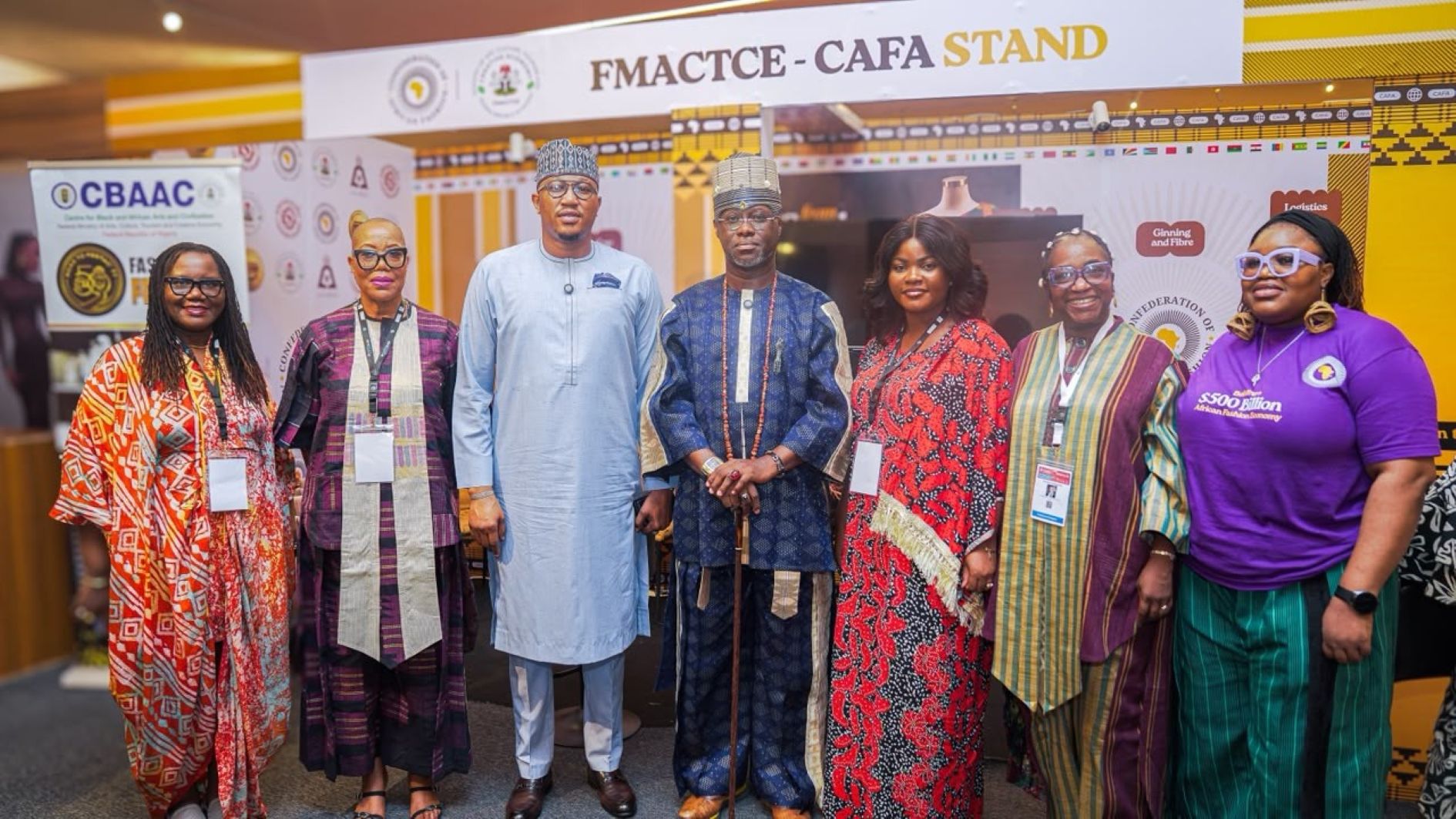
At CANEX WKND 2026, held in Lagos from November 5 to 8, 2026, CAFA engaged designers, cultural figures and industry stakeholders on opportunities to strengthen Africa’s fashion value chain through creativity, craftsmanship and heritage, while ensuring that creators benefit economically from its growth.
According to CAFA, African fashion’s identity is built on the work of people who turn materials, skills and cultural knowledge into products recognised across the world.
CAFA noted that behind every textile, garment or accessory is a network of designers, weavers, dyers, tailors, artisans and entrepreneurs whose contributions sustain the industry.
Among the notable personalities who visited the CAFA stand was the founder of Nike Art Gallery, Nike Davies-Okundaye, whose contributions to Nigerian art, traditional textiles and craftsmanship have helped promote African cultural heritage.
Other distinguished visitors included Caroline Davies and Liberia’s Ambassador, Maisie Dunbar, alongside creative professionals and industry stakeholders.
According to CAFA, the engagements provided an opportunity to showcase its continental initiatives and strengthen conversations around the role of creators, cultural institutions and international partnerships in advancing African fashion.
Meanwhile, CAFA noted that despite the global influence of African textiles and craftsmanship, many artisans and fashion businesses continued to face challenges relating to production capacity, access to finance, intellectual property protection and market access.
The organisation argued thatvaddressing these constraints required an approach that balanced the preservation of cultural heritage with commercial opportunities for designers and other players across the value chain.
CAFA stated that it is advancing a 10-pillar roadmap through its Seed to Wear Programme, aimed at connecting different segments of Africa’s fashion industry.
The organisation explained that the programme prioritises strengthening the position of heritage artisans and traditional textile producers while developing the structures required to make their products competitive in local and international markets.
The organisation said it is also pursuing initiatives to protect African designs and heritage textiles through a proposed intellectual property framework and heritage certification systems.
CAFA stated that the initiatives were designed to enable African creators to preserve their cultural identities, build sustainable businesses and retain greater economic value from their products.
CAFA further emphasised the importance of cross-border collaboration, noting that CANEX provided a platform for creative professionals and industry stakeholders from different countries to exchange ideas on the future of African fashion.
As part of its broader agenda, CAFA is advancing the African Fashion Industry Growth Charter and other programmes aimed at strengthening cooperation among national fashion industries and expanding opportunities for designers, artisans and creative entrepreneurs.
CAFA said the experiences of industry players remained central to identifying the challenges facing the sector and shaping policies and investments capable of supporting its growth.
The organisation called on designers, artisans, textile producers, creative entrepreneurs and cultural institutions to participate in its continental initiatives