
 Get Guardian on Google
National President, Nigeria Union of Journalists (NUJ), Alhassan Yahya, and Media Rights Agenda (MRA) have expressed serious concern over continued detention and prosecution of an investigative reporter with the Foundation for Investigative Journalism (FIJ), Daniel Ojukwu.
Recall Ojukwu was arraigned at the Federal High Court in Abuja November 10, 2026, on 12-count charge of alleged cyberstalking and criminal defamation.
He was remanded in prison custody until December 1, 2026, for his bail hearing — a prolonged 21-day incarceration stemming from investigative reports published in 2023 and 2024 regarding public expenditure by the Office of the Senior Special Assistant to the President on Sustainable Development Goals (OSSAP-SDGs).
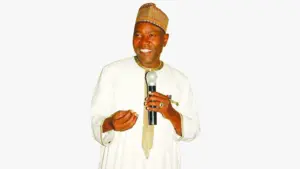
To Yahya, “alongside local and international rights organisations, the NUJ demands the immediate and unconditional release of Mr. Ojukwu and calls for the withdrawal of all charges against both him and FIJ founder, Fisayo Soyombo.”
Saying the NUJ strongly cautions the Nigeria Police Force and other state security agencies against recurring weaponisation of the Cybercrimes Act and criminal defamation laws to harass, abduct and silence media practitioners, he described journalism as a constitutionally mandated public service and not a crime.
Having previously endured a 10-day abduction by police operatives in May 2024 over exact same investigative work, he argued, deploying apparatus of the criminal justice system to punish reporters for scrutinising public spending undermines the very foundations of the country’s democracy.
Speaking further, he reminded state actors of Section 22 and Section 39 of the 1999 Constitution of the Federal Republic of Nigeria (as amended), alongside regional and international treaties to which the nation is a signatory—including Article 9 of the African Charter on Human and People’s Rights and Article 19 of the International Covenant on Civil and Political Rights—explicitly guarantee freedom of expression and charge the press with holding the government accountable to the people.
To him, “subjecting investigative journalists to prolonged pre-trial detention over stories of overriding public interest creates a chilling climate of fear across the media landscape.”
In addition, Yahya assured the NUJ stands in full solidarity with Ojukwu, the management of the FIJ and all Nigerian journalists committed to truth and transparency.
He noted, “we urge the Federal Government, the Inspector-General of Police, and the judiciary to uphold the rule of law, respect press freedom, and ensure that media professionals can discharge their constitutional duties without fear of arrest, detention, or persecution.”
In a statement issued in Lagos, MRA said it is baffling that instead of transparently investigating the serious allegations of possible corrupt acts revealed by Ojukwu’s reports to confirm their veracity or otherwise, the Federal Government, through the Inspector-General of Police, has chosen to misuse the Cybercrime Act to punish the journalist for doing his job.
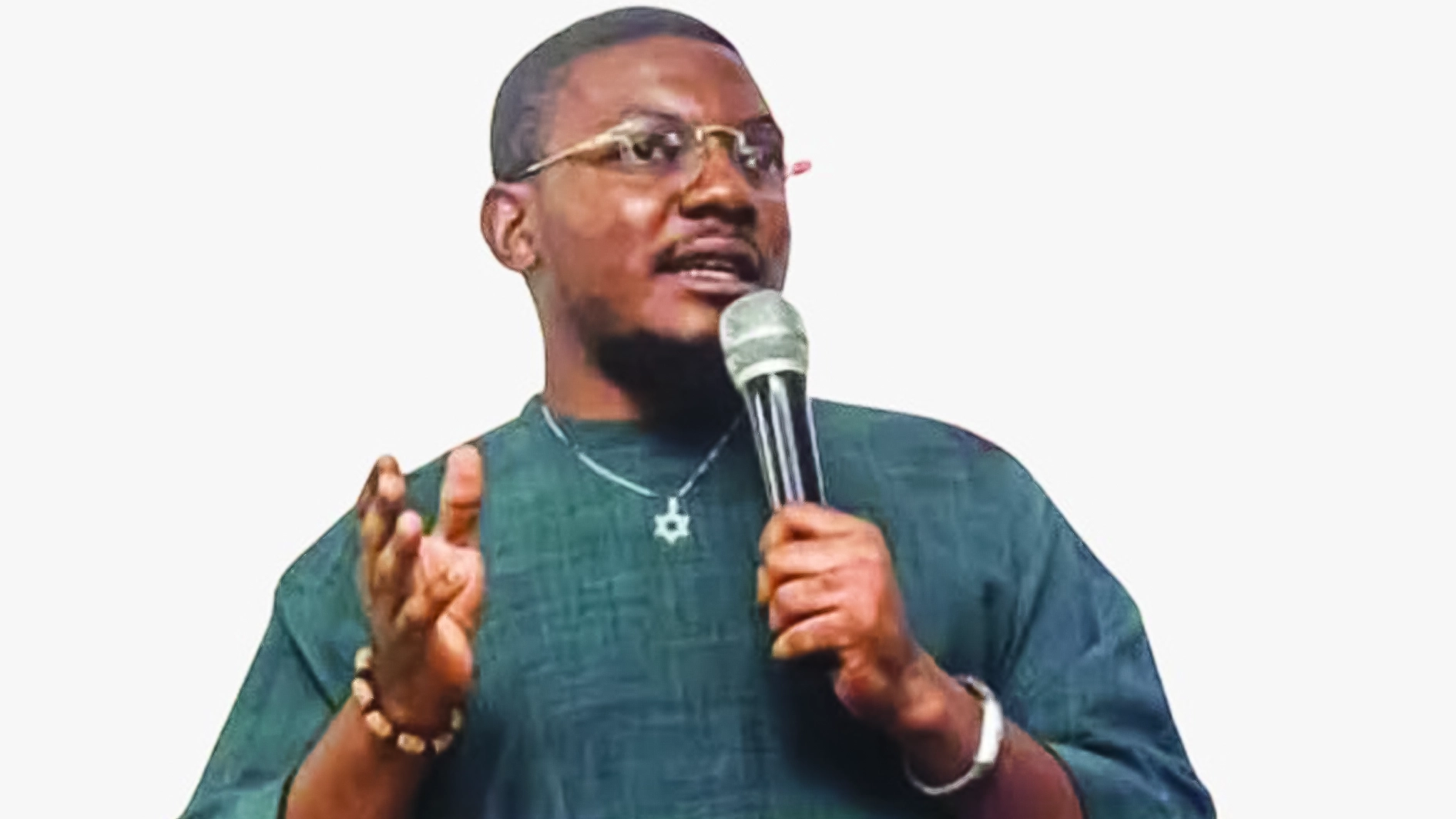
MRA’s Programme Officer, Ayomide Eweje, said, “it is inconceivable that charging a journalist with offences under the Cybercrimes Act is a legitimate use of the Law, which was designed to combat genuine cybercrimes while respecting the constitutional rights of citizens, including the right to freedom of expression, due process and the rule of law. This blatant misuse of the Act to intimidate and silence journalists will only undermine the credibility and effectiveness of the Law.”
She warned against the growing misuse of the Cybercrime Act, other criminal laws and the judicial process to intimidate and punish journalists for investigating and reporting on the management of public funds, saying such practices also undermine the media’s constitutional responsibility to hold government accountable and the public’s right to know how public resources are utilised.
Eweje insisted that the remand of Ojukwu at the Kuje Correctional Centre in Abuja on November 10, 2026, by a Federal High Court in Abuja over a 12-count charge alleging cyberstalking and criminal defamation against him arising from investigative reports published by his organization concerning the utilisation of public funds by the Office of the Senior Special Assistant to the President on Sustainable Development Goals (OSSAP-SDGs), is unexcusable.
Ojukwu, who pleaded not guilty to all the charges, was remanded in prison custody for three weeks, pending the hearing of an application for bail filed by his lawyers, which Justice Joyce Abdulmalik adjourned until December 1, 2026.
Eweje noted that the reports over which Ojukwu was charged, which were published between November 2023 and January 2024, raised questions, among other things, about the payment of N147.1 million to a restaurant to build classrooms in Lagos, and a non-functioning solar installation project reportedly executed at a cost of N47.5 million.
She stressed that the issues related to the expenditure of public resources are therefore matters of public interest, which the media is obliged to report on as part of its constitutional duty under Section 22 of the 1999 Constitution, as amended, to uphold the responsibility and accountability of the Government to the people.
Eweje added, “the prosecution of journalists over reports examining the expenditure of public funds while ignoring serious questions of impropriety in such expenditures raises serious concerns about the protection of investigative journalism and the ability of the media to discharge its constitutional responsibility without fear of reprisals.”
According to her, “the investigation of public expenditure is a legitimate and necessary function of journalism in a democratic society. Journalists must be able to examine how public funds are allocated, spent, and accounted for, as well as question the execution of government projects. Section 22 of the Constitution gives them not only a right but a duty to bring issues of concern to public attention without having to fear arrest, prosecution, or imprisonment for doing so.”
Eweje further cautioned the government against the growing practice of treating investigative journalism on public spending as a criminal matter, noting that the Cybercrimes Act and criminal defamation provisions are being applied in ways that appear aimed at suppressing scrutiny rather than addressing any genuine grievances through proper civil processes.
She urged the Police and the Attorney-General of the Federation to discontinue the criminal charges against Ojukwu and FIJ founder and Editor-in-Chief, Fisayo Soyombo, who is also named as a co-defendant, in a matter arising from their investigative reporting.
Eweje called on the Federal Government to take measures to end the continued misuse of criminal laws and legal processes against journalists carrying out their professional duties, insisting that such a practice also undermines the credibility and integrity of the judicial process.
She noted that protecting investigative journalism is not simply about protecting journalists or media organisations, but also about preserving the ability of citizens to question government decisions, scrutinise public expenditure, and demand accountability from those entrusted with the management of public resources.