
 Get Guardian on Google
Reps, APC hail unanimous approval of state police by 36 states
Although all 36 states have approved the establishment of state police, the proposed security arrangement may not become operational immediately after President Bola Tinubu assents to the legislation, as states will first have to satisfy a series of institutional, financial and operational requirements for certification.
Director-General of the National Institute of Police Studies (NIPS), Prof. Olu Ogunsakin, who previously served as technical adviser to successive Inspectors-General of Police (IGPs) and presently heads the Nigeria Police Reform Secretariat, said presidential assent would only provide the legal foundation for state police, while actual take-off would depend on individual states meeting prescribed readiness requirements.
The House of Representatives has, however, welcomed the approval by all 36 Houses of Assembly.
Echoing the lawmakers’ sentiments, National Chairman of the All Progressives Congress (APC), Prof. Nentawe Yilwatda, described the endorsement by the 36 Houses of Assembly as a breakthrough in Nigeria’s efforts to address its security challenges.
Ogunsakin, in a telephone conversation with The Guardian, said states will be required to establish the necessary administrative structures, including state police service commissions and other oversight bodies, while demonstrating their capacity to recruit, equip, train and maintain personnel before being authorised to operate their respective police formations.
He said some states could require between six and 18 months to meet the conditions, suggesting that the transition to a decentralised policing system would be gradual rather than simultaneous across the federation.
Ogunsakin explained that states would have to demonstrate that they possess adequate facilities, uniforms, armaments, equipment and trained personnel, alongside sustainable financial arrangements for running the new police formations.
He added that states would also be expected to make provisions for the payment of salaries and other operational costs, stressing that the financial implications of establishing a police institution could be substantial.
THE House described the unanimous endorsement as a significant milestone in the constitutional amendment process, saying it represents 100 per cent approval by the state legislatures and exceeds the constitutional requirement of at least two-thirds.
House Spokesman, Akin Rotimi Jr., disclosed this in a statement issued in Abuja yesterday.
According to the statement, the approval was confirmed by the Clerk to the National Assembly, Kamoru Ogunlana, who said the bill had satisfied the constitutional and administrative requirements for transmission.
Ogunlana, in a statement issued on Monday, November 16, explained that the bill had earlier met the requirements for transmission, but that the leadership of the National Assembly directed a brief delay to allow for broader national consensus and engagement with all states.
YILWATDA, who commended the state governors, Speakers and members of the state legislatures for supporting the constitutional amendment, said the development demonstrated growing political consensus on the need to decentralise the country’s policing structure.
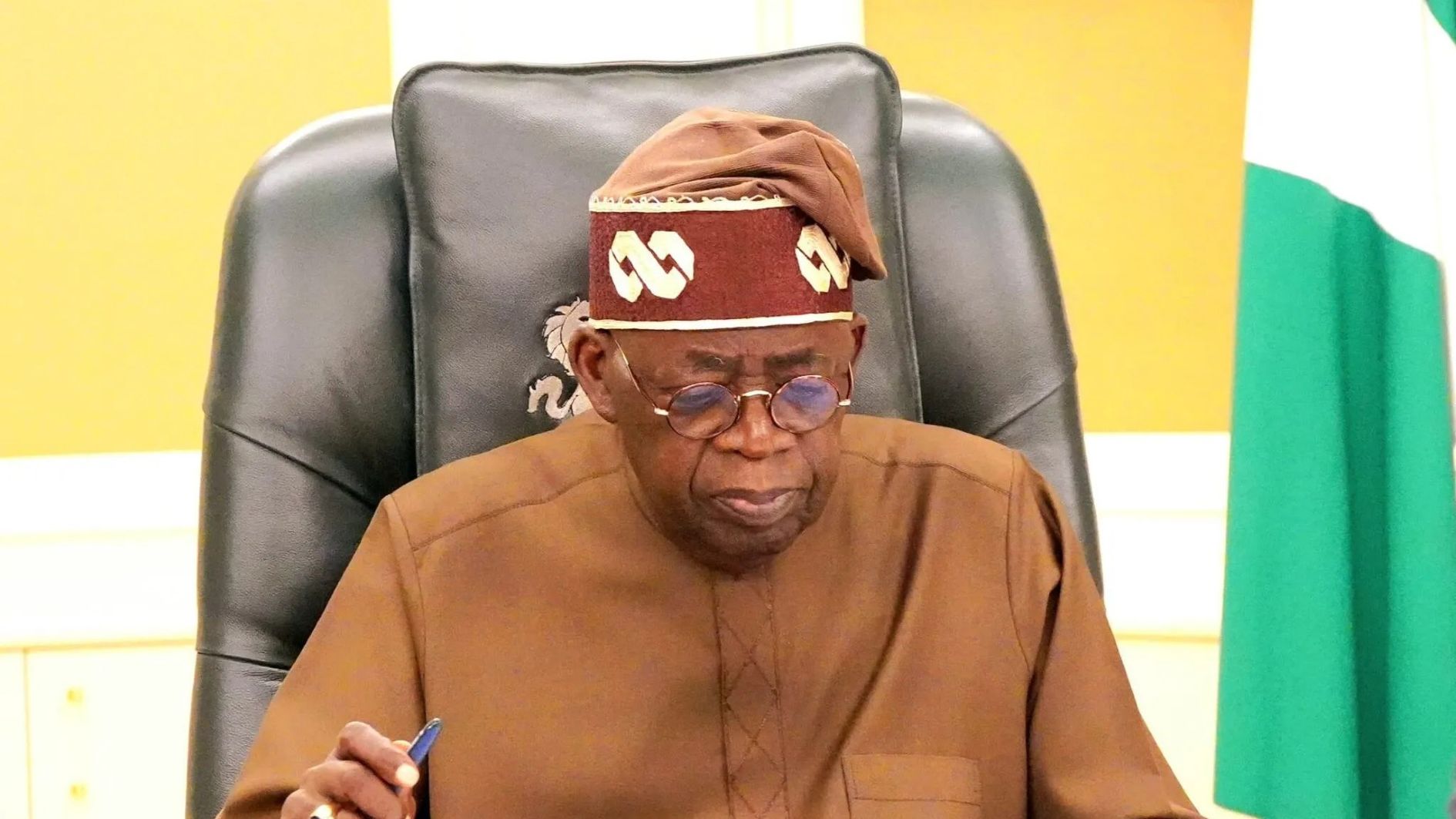
He also credited President Bola Tinubu with providing the political leadership to advance the proposed reform, describing state police as a critical component of the administration’s efforts to build a more responsive and effective security architecture.
The APC chairman spoke during a meeting with party stakeholders in Abuja, according to a statement issued on Monday by his Special Adviser on Media and Information Strategy, Abimbola Tooki.
Yilwatda said the unanimous endorsement reflected an understanding among political leaders across the country that insecurity had become a national challenge requiring collective action beyond party affiliations.
He said: “The unanimous endorsement by all 36 Houses of Assembly represents an unprecedented expression of collective commitment to addressing one of the country’s most pressing challenges: the security of lives and property.”
The APC boss argued that Nigeria’s security challenges exposed the limitations of an overly centralised policing structure, particularly in responding to the different security threats confronting communities across the federation.