
 Get Guardian on Google
… As skilled birth deliveries rise to nearly 8 million, health insurance enrolment hits 24 million
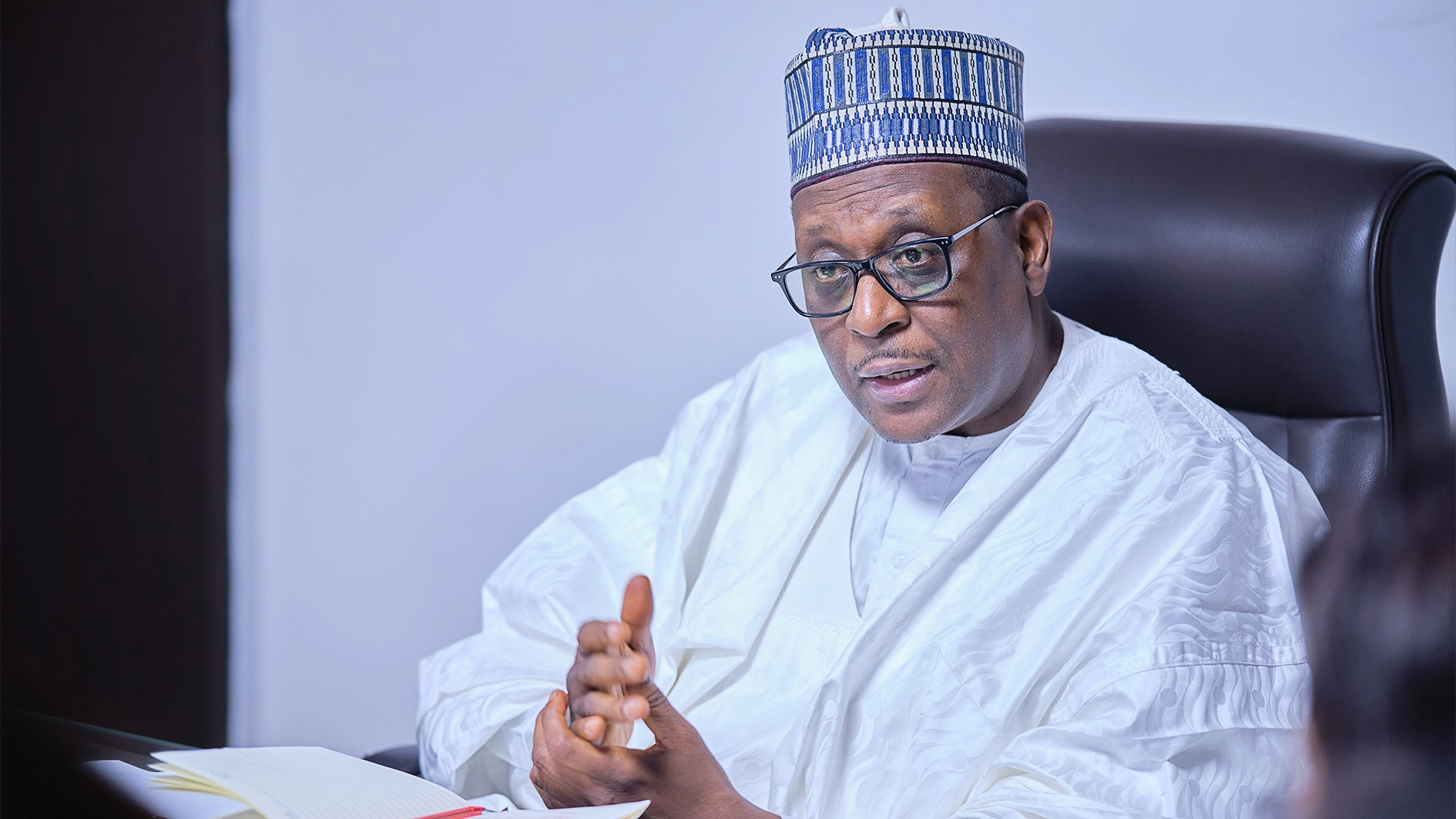
Minister of Health and Social Welfare, Prof. Muhammad Ali Pate, has called on state governments to translate healthcare policies and reforms into measurable results, declaring that 12 of Nigeria’s 13 key health indicators have improved over the last three years.
He noted that state health budgets increased from N1.97 trillion in 2023 to more than N3.3 trillion in 2026, urging governors to ensure that approved allocations were actually released for service delivery.
Pate, who spoke at the 67th National Council on Health in Lafia, Nasarawa State emphasized that the Federal Government and states must move beyond policy formulation to ensure that investments and resolutions produce tangible improvements in the lives of Nigerians.
The minister warned that Nigeria risks facing a huge funding gap in its health sector if the country fails to increase domestic investment and emphasized the need for federal and state governments to take greater responsibility for financing healthcare delivery.
Pate said the transition from dependence on external development assistance would require increased domestic funding, warning that Nigeria could lose significant ground in its health sector reforms if government failed to bridge the anticipated funding gap.
According to him, the United States government memorandum of understanding on health provides an opportunity for Nigeria to move towards greater self-reliance, but this would only be possible if federal and state governments increased their financial commitments.
“Sovereignty is only possible if we put our money where our mouth is,” he said.
The minister disclosed that state health budgets had increased from N1.97 trillion in 2023 to more than N3.3 trillion in 2026, but stressed that improved budgetary allocations must translate into actual releases to sustain healthcare programmes.
He also called for greater investment in primary healthcare, health insurance, medical infrastructure, local pharmaceutical production and the recruitment and retention of health workers, particularly in rural communities.
Providing an update on the Nigeria Health Sector Renewal Investment Initiative, Pate said the Federal Government and participating states had recorded progress in several areas since the launch of the reform programme in December 2023.
He disclosed that health insurance coverage had increased from 16 million Nigerians to nearly 24 million within three years, while skilled deliveries in facilities supported by the Basic Health Care Provision Fund rose from 4.8 million in 2023 to nearly eight million by mid-2026.
Pate stated that skilled birth deliveries in health facilities supported by the Basic Health Care Provision Fund (BHCPF) increased from 4.8 million in 2023 to nearly eight million by mid-2026, while fourth antenatal care visits rose from six million to 8.7 million within the same period.
He added that over 50,000 Nigerians had benefited from free emergency care in 507 accredited facilities, while dialysis costs had been reduced by up to 80 per cent for more than 5,000 patients.
Pate, however, warned that the gains would be difficult to sustain without increased domestic financing, improved implementation of council resolutions and stronger accountability mechanisms across the three tiers of government.
The minister said the National Council on Health, established under the National Health Act 2014 as the highest policy-making body in the health sector, had a responsibility to ensure that decisions translated into measurable outcomes.
He disclosed that 70 memoranda were considered during the technical sessions preceding the council, with 22 recommended for approval and 33 for the council to note.
Pate also called for greater investment in primary healthcare, digital health infrastructure, health workforce development and equitable access to medical services, particularly for rural communities, displaced persons, people with disabilities and other vulnerable groups.
He expressed concern that fewer than four in 10 rural births were attended by skilled health workers, compared with seven in 10 urban births, describing the disparity as an urgent challenge requiring coordinated intervention.
The minister further urged states to strengthen disease surveillance, laboratory capacity and emergency preparedness, following recent public health threats, including Ebola, cholera, Lassa fever, meningitis and measles.
He stressed the need for reliable supplies of quality medicines at affordable prices, adding that domestic pharmaceutical production and pooled procurement initiatives should complement, rather than undermine, state drug management agencies.
Pate urged participants to ensure that every resolution adopted at the meeting had clear implementation timelines, funding arrangements and measurable indicators, insisting that the success of the next council should be determined by improvements citizens could feel in their communities.
He said: “Adopt only what we are prepared to fund, to implement, and to report on.”
The minister added that the task before the council was to make ongoing health sector reforms sustainable, equitable and accessible to Nigerians across every ward, village and household.
Earlier, Governor Abdullahi Sule of Nasarawa State, represented by his deputy, Dr. Emmanuel Akabe, said healthcare investment should be regarded as a strategic investment in human capital and national development rather than mere expenditure.
Sule observed that the administration remained committed to strengthening primary healthcare, improving health infrastructure, developing the health workforce and expanding access to affordable medical services.
He said the state had continued to leverage the Nasarawa Health Insurance Agency to enrol poor and vulnerable residents from both the formal and informal sectors in its drive towards universal health coverage.
The governor also disclosed that the state had expanded facilities at Dalhatu Araf Specialist Hospital, Lafia, before handing over the institution to the Federal Government to facilitate its full take-off.
According to him, the transition created an opportunity to upgrade the General Hospital, Wamba, into a specialist hospital, ensuring that every zone of the state has access to tertiary-level healthcare services.
He said substantial resources had also been committed to expanding the specialist hospital in Wamba in line with modern healthcare standards.
Sule further highlighted the establishment of the Nasarawa State Drugs and Supplies Management Agency to streamline the supply of health commodities, address price discrepancies and tackle the circulation of substandard and fake medicines.
He said the Federal Ministry of Health rated the agency in 2024 as maturing at an accelerating pace and ready to take on public health commodities.
The governor added that the agency also gained international recognition after participating as one of four panellists at the 2025 Global Health Supply Chain Summit in Rwanda.
Both speakers stressed the importance of collaboration among federal, state and local governments, development partners and other stakeholders in addressing the country’s healthcare challenges.
The 67th council was held under the theme, “From Commitment to Results: Delivering Quality and Equitable Healthcare for All Nigerians.”