GDN SIDEBAR
There is a word that makes people uncomfortable when it comes to relationships. A word that sounds cold, clinical, even unloving. A word that many people associate with distance rather than closeness.
The word is boundaries — and the discomfort most people feel about it is costing their relationships more than they realise.
Here is what a boundary is not. It is not a wall. It is not a threat. It is not evidence that you do not trust your partner or that you are holding yourself back from the relationship. A boundary is simply a clear statement of what you are and are not available for. It is the honest communication of where you end and another person begins and, in a relationship, that communication is not a sign of distance; it is a sign of respect — for yourself and for your partner.
The absence of healthy boundaries in a relationship does not produce closeness; it produces resentment. When you consistently say yes to things you mean no to, when you consistently absorb behaviour that diminishes you, when you consistently give more than you receive without naming it, the result is not love without limits; it is a slow accumulation of pain that eventually becomes impossible to contain.
The people who struggle most with boundaries are often the ones who were taught that love means giving everything and asking for nothing. That self-sacrifice is the highest form of love. That wanting something for yourself in a relationship is selfish. These are not truths; they are beliefs that produce exhausted, resentful people who do not understand why they feel empty in relationships where they have given so much.A boundary is an act of love. It tells your partner honestly who you are, what you need, and what you will not accept. It gives them the information they need to love you well. And it protects the relationship from the slow damage of unspoken resentment.
Boundaries every healthy relationship must have:
1 The respect boundary

Every relationship must have a clear and shared understanding that contempt, name-calling, public humiliation, and deliberate degradation are not acceptable — not in conflict and not in jest. This boundary does not need to be negotiated; it needs to be stated and held.
2 The privacy boundary

What is shared between the two of you stays between the two of you. The details of your arguments, your partner’s vulnerabilities, your financial situation, your intimate life — these are not topics for friends, family, or social media. Privacy protects the safety of the relationship.
3 The time boundary

Both people in a relationship need time that belongs to them — time for rest, for friendships, for personal growth, for the things that make them who they are outside the relationship. A relationship that consumes every hour of both people’s lives produces two people who have nothing new to bring to each other.
4 The family and friends boundary
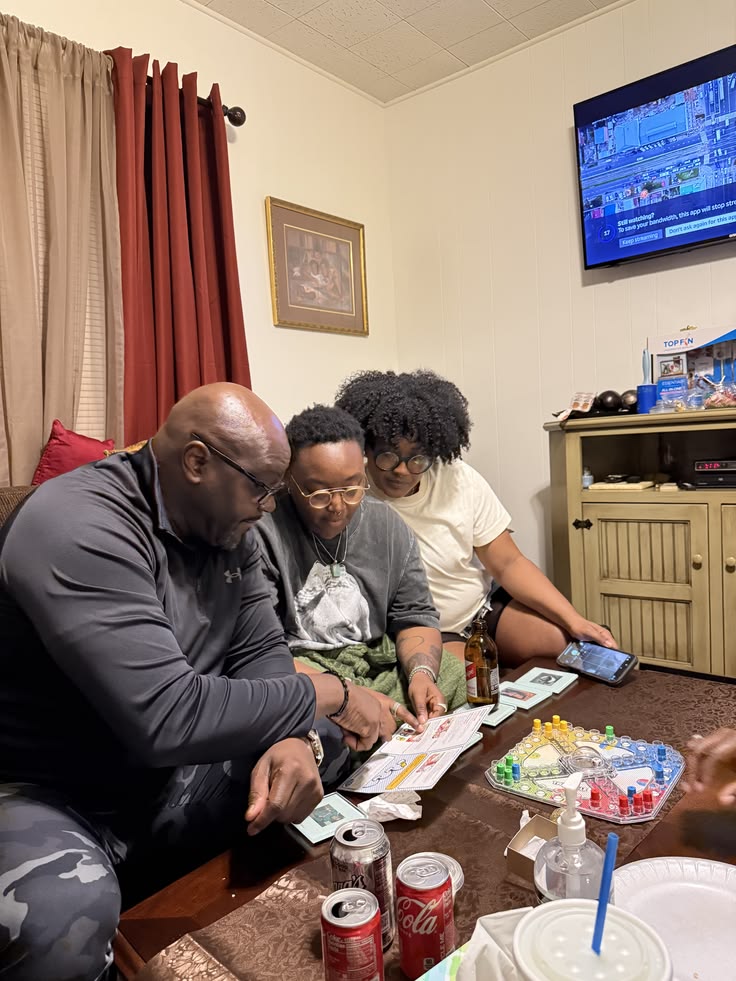
Both partners must agree on the role that extended family and friends play in their relationship. Who has access? Whose opinion carries weight? What conversations are had with outside parties about the relationship? Unspoken disagreements here are a consistent source of conflict in Nigerian relationships.
5 The financial boundary

Money is one of the most common sources of relationship conflict. Both partners need clarity on how decisions about money are made, who has access to what, and what constitutes a joint decision versus an individual one. Financial transparency is not a lack of trust; it is a condition for it.
A boundary is not a wall; it is an act of love. It tells your partner honestly who you are, what you need, and what you will not accept. That honesty is the foundation of genuine intimacy.