 Get Guardian on Google
The House of Representatives has challenged governments implementing the Nigeria Community Action for Resilience and Economic Stimulus (NG-CARES) Additional Financing to demonstrate tangible improvements in household welfare, warning that billions of naira spent on poverty interventions must translate into measurable economic gains for vulnerable Nigerians.
The House Committee on NG-CARES said the success of the programme must be judged not by the volume of funds disbursed or the number of beneficiaries enrolled, but by whether households can afford food more consistently, farmers sustain production, small businesses remain viable and beneficiaries achieve lasting improvements in income and livelihoods.
The demand comes as 26 states have been declared eligible to access resources under the NG-CARES Additional Financing, with programme authorities pushing to accelerate implementation of the expanded intervention across the country.
The National Coordinator of NG-CARES, Dr. Abdulkarim Obaje, disclosed at the close of a five-day technical meeting in Abuja that 26 states had satisfied the programme’s 11 eligibility requirements, while documentation for additional states was being processed.
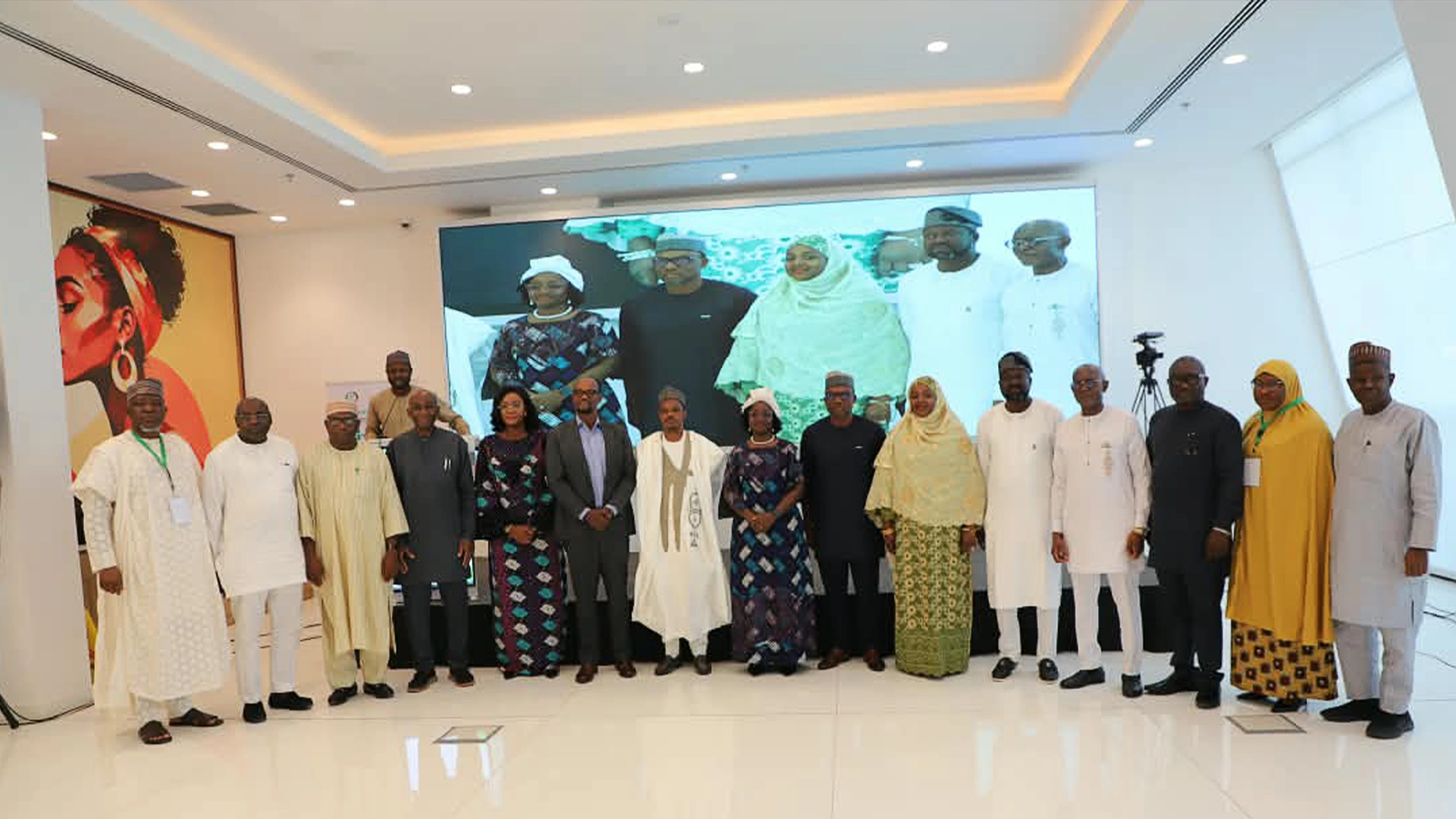
The meeting, which brought together representatives of states, programme coordinators and other stakeholders, focused on operationalising the programme’s implementation framework, addressing delivery bottlenecks and accelerating the rollout of interventions targeting vulnerable households, farmers and micro, small and medium enterprises.
Chairman House of Representatives Committee on NG-CARES, Hon. Abubakar Yahaya Kusada, in his remarks at the close of the meeting, however, insisted that the expanded intervention must be subjected to greater transparency, accountability and public scrutiny to ensure that assistance reaches those who need it most.
He called for regular engagement with the National Assembly and state legislatures, public disclosure of beneficiary eligibility criteria, accessible complaints mechanisms in local languages and verifiable reporting of programme results at local government and, where possible, ward levels.
The legislative position underscores growing pressure on government-backed poverty interventions to demonstrate concrete welfare outcomes amid persistent hardship and concerns over the effectiveness of public spending on social protection.
At the closing ceremony, the Permanent Secretary, Federal Ministry of Budget and Economic Planning, Dr. Deborah Odoh, said the ultimate measure of NG-CARES Additional Financing would be the extent to which it improves the lives of ordinary Nigerians rather than the number of meetings conducted, reports produced or funds disbursed.
She said families were waiting for support, better opportunities and the means to improve their livelihoods, stressing that the programme’s implementation must be driven by the expectations of vulnerable households.
Odoh urged participating states and implementing agencies to translate the action plans, timelines and milestones agreed during the technical meeting into concrete interventions, while prioritising coordination, timely execution, transparency and accountability.
She also warned that states yet to fully satisfy programme readiness requirements must accelerate the necessary processes, noting that delays could affect families and businesses waiting to benefit.
The World Bank Task Team Lead, Dr Lire Ersado, challenged the states to put in more efforts to surpass the achievements of NG-CARES 1.0, promising that the World Bank was committed to ensuring that they record greater achievements in 2.0.
He also called on the states to speed up the implementation because one year of the three year implementation period had already been lost.
The National Coordinator said 26 states had met the 11 conditions required to be declared effective under the programme, while other states were undergoing documentation and verification processes.
According to Obaje, the eligibility conditions include establishing state-level implementation structures, aligning NG-CARES objectives with state development plans, ensuring timely release of programme funds, recruiting qualified personnel, particularly safeguards officers, partnering with relevant state agencies and domestication of the programme’s operational manual.
States are also required to execute subsidiary loan agreements with their ministries of finance and obtain legal opinions from their ministries of justice, among other conditions.
He said states must satisfy all 11 requirements and score above 90 per cent to be declared effective and qualified to draw down programme resources.
Obaje said the progress made so far demonstrated growing acceptance of the programme, adding that virtually all states had indicated interest in participating, although documentation and processing were still ongoing for some.
He described the programme as a critical instrument for supporting the Federal Government’s broader development agenda, including the National Development Plan and the Renewed Hope Development Plan, particularly through interventions targeted at poor and vulnerable Nigerians.
The Director-General of the Nigeria Governors’ Forum Secretariat, Dr. Abdulateef Shittu, also urged participating states to take ownership of NG-CARES Additional Financing by converting agreed
frameworks into practical interventions that address the specific needs of their communities.
He said the programme’s effectiveness would depend largely on the capacity of state governments to implement interventions efficiently, strengthen monitoring and verification systems and ensure that resources were properly utilised and delivered to intended beneficiaries.
Shittu stressed that NG-CARES must move beyond immediate relief and programme targets to strengthen state delivery systems, build institutional capacity and establish mechanisms capable of sustaining development interventions beyond the life of the programme.
The accountability demands come against the backdrop of the programme’s reported achievements under its first phase.
Obaje said NG-CARES injected about N698 billion into state-level interventions between 2021 and 2025, supporting social transfers, farmers, small businesses and the rehabilitation and provision of social infrastructure.
He argued that the intervention helped cushion the effects of economic shocks and the COVID-19 pandemic, insisting that the poverty situation would have been considerably worse without the support provided through the programme.
He said state governments had also invested approximately $2.2 billion in verified results under the programme, while the World Bank reimbursed about $701 million, representing roughly 30 per cent of the reported investment.
According to him, states continued financing their delivery platforms and producing results even after programme funding stopped in 2025, underscoring the need for sustained commitment from state governments.
However, the challenge confronting NG-CARES Additional Financing is whether its expanded funding and interventions can produce measurable and sustainable improvements in household incomes, food security, employment and business survival.
With poverty multidimensional and deeply linked to access to livelihoods, basic services and economic opportunities, stakeholders said implementation must be backed by credible monitoring, effective targeting and verifiable evidence of impact.
Odoh said the Federal Government expects the additional financing to build on the achievements of the first phase and deliver even greater impact, while urging stakeholders to ensure that agreed commitments translate into results.
“Ultimately, our greatest measure of success should be the depth, reach and sustainability of the positive impact we create in people’s lives,” she said.
The NG-CARES Additional Financing is expected to reinforce state-led interventions in food security, livelihood support, social protection, basic services, labour-intensive public works and MSME assistance, with its impact ultimately dependent on how effectively resources reach vulnerable communities.