 Get Guardian on Google
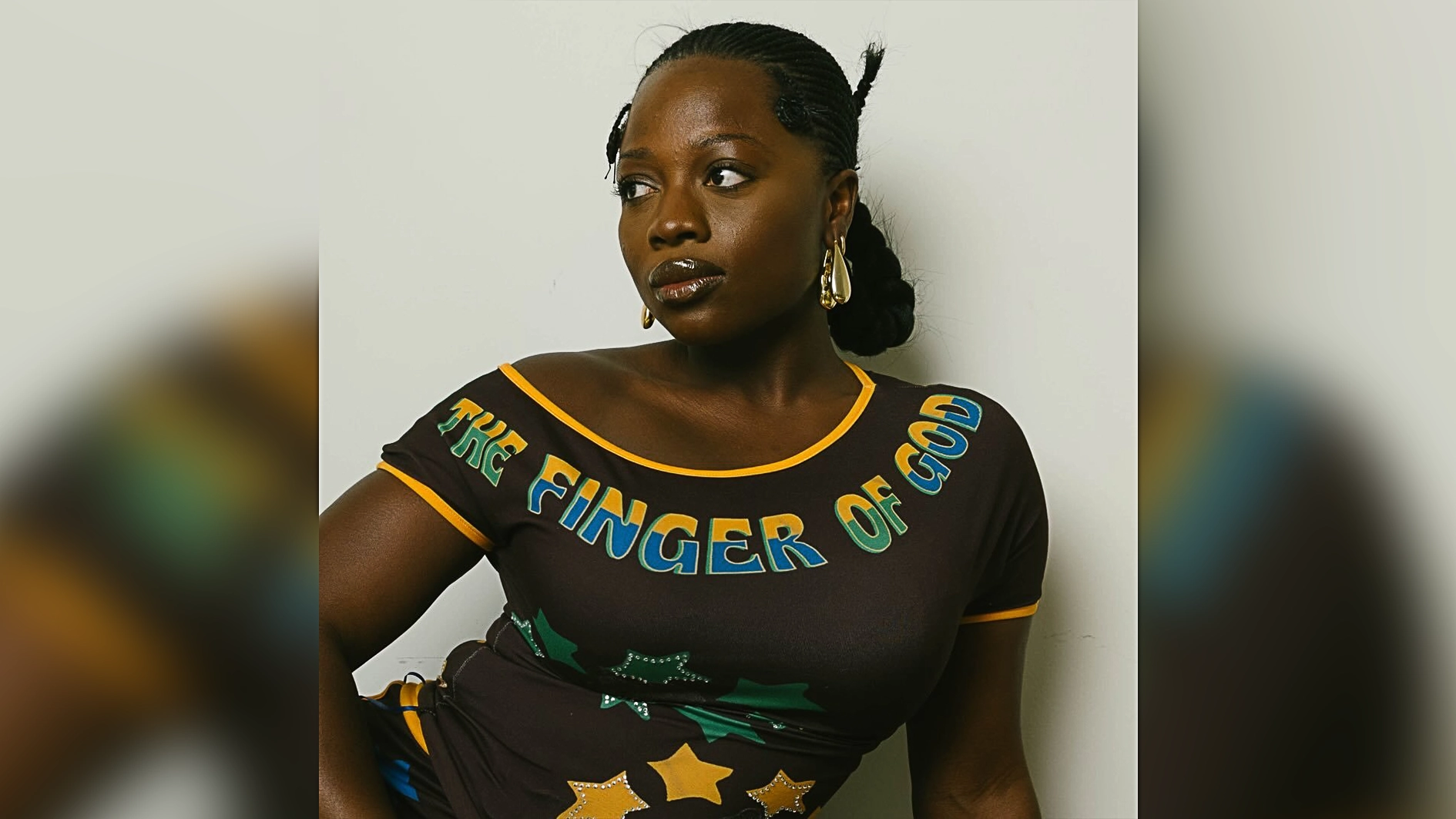
At 14, while most teenagers were figuring out what they wanted to wear to school the next day, Tolu Oye was making up to $200 a day selling sweets and snacks to her classmates in Columbus, Ohio. She was saving towards a dream she’d had since she was eight years old: becoming a fashion designer. When her school discontinued its fashion programme, she put together a PowerPoint presentation convincing her parents to let her move to New York. A few years, a fashion education and a global pandemic later, that same determination of her eight-year-old self would lead her to launch Meji Meji, a contemporary Nigerian fashion brand known for its playful exploration of nostalgia, culture and identity. Now, with the opening of its Lagos flagship store, Tolu’s story is coming full circle.
Almost every success story comes with a great risk. For Tolu, moving to New York at the age of 16 to pursue her lifelong dream of becoming a successful designer was her great risk. “I lived with a family member in a one-bedroom apartment. He had just gotten married, his wife was expecting a baby, and they still made room for me. Now that I think about it, I’m so grateful that they put themselves in an uncomfortable situation to have me,” she recalls. “It took me two hours to get to school. I would have to take a bus, a train and walk. But that was the dream I wanted. If that’s what I had to do to get there, I would do it.”
She eventually enrolled at the Fashion Institute of Technology (FIT), studying Advertising and Marketing Communications before returning to study fashion design. She also worked with famed American designer LaQuan Smith, and this would further shape her understanding of the business. “At the time that I was working at LaQuan, he didn’t have everything figured out. And it made me realise that you don’t have to have all your ducks in a row to just at least give yourself a chance.”
When the COVID-19 pandemic brought the fashion industry to a standstill in 2020, Tolu saw it as an opportunity to finally start her own brand. “I would hate for the world to come to an end and I didn’t give myself that chance,” she recalls. That chance was the birth of Meji Meji. Although she hadn’t quite figured out what direction she wanted to take, she knew the brand would be rooted in her identity. “I knew I wanted it to be centred around culture. I knew I wanted it to centre around nostalgia. And I know I wanted it to have a relation with like my family ties and history.”
The brand name came from the Yoruba word meji, meaning two, a number that kept appearing throughout her family history. “My grandmother’s name is Taiwo, which in Yoruba is like a twin. And her last name is also Taiwo. So it’s like two, two. She also lived on a street called Ore meji, which is like two friends,” she explains. “Every time I see two, it feels like a lucky number.”
In today’s focus on brand world-building, creating strong visual identities and creating subcultures, very rarely do we come across a brand with as much authenticity as Meji Meji. What often feels carefully constructed by other brands, for Tolu, comes across as organic, woven into the fabric of the brand. “I realised there was a gap. There wasn’t a graphic or streetwear contemporary brand that was centred on African culture,” she explains.
Her unique lens from her Nigerian-American upbringing helped Tolu to build a brand world that brought both cultures together. Collaboration was equally important. “We had one person who was an interior designer. We had one person that was a graphic designer. We had one person that was a videographer. And we always all came together to kind of like create together,” she recalls. It’s this combination of personal history and creative community that makes Meji Meji’s identity feel so rich and alive.
There is something quite fitting about Meji Meji opening its first semi-permanent store in Lagos. For a brand built around Nigerian culture, childhood memories and nostalgia, it appears to be some sort of appropriate homecoming. Walking into the store, you quickly realise just how personal this brand is to Tolu.
The standout piece of furniture is a sofa placed in the room. At first glance, it appears to be a cool collage print, but upon further inspection, it is something more important. “If you look at that couch, it’s a compilation of photos from the 1970s of my family pictures,” she explains.
It is clear that the uniqueness of Meji Meji comes from lived experience. The references aren’t just decorative; they’re pieces of Tolu’s own life. Shopping in the store felt like I was in the talented designer’s brain. The colours, the music and the mural of the brand’s central character, “Mama”, are not just fun details, but indicators of being in Meji Meji’s true home.
Tolu Oye has managed to create something that feels both deeply personal and universally reminiscent: the Nigerian experience translated into fashion without losing its nostalgia or undeniable cool factor. And with its new home in Lagos, it feels like Meji Meji is only just getting started.